 (Image via
History is not just found in textbooks or museums. It lives in the cobbled streets of ancient cities, the silent stones of crumbling ruins, and the vibrant traditions kept alive by local communities. Visiting historic sites allows us to step back in time and connect with the human stories that shaped our world.
For travelers seeking meaningful experiences in 2026, we have curated a list of destinations where the past feels incredibly present. Whether it is a milestone anniversary or a newly restored wonder, these locations offer a unique window into history. Pack your bags and get ready to walk in the footsteps of ancestors at these top historic destinations.
1. Philadelphia, USA: The Semiquincentennial Celebration
There is no bigger historic event in 2026 than the 250th anniversary of the United States. Philadelphia, the birthplace of American democracy, will be the epicenter of the "Semiquincentennial" festivities. This is the year to visit the city where the Declaration of Independence was signed.
Why Visit in 2026?
The entire city is gearing up for a year-long party. Museums are launching special exhibits, and historic sites are debuting extensive renovations.
- Independence Hall: Walk through the room where the United States was born. In 2026, expect enhanced tours and interactive storytelling experiences.
- The Liberty Bell: See the iconic symbol of American freedom. New visitor center exhibits will dive deeper into its complex history and meaning.
- Museum of the American Revolution: This museum will host exclusive 2026 exhibitions exploring the lesser-known stories of the war for independence.
Philadelphia offers more than just 1776 history. Explore the cobblestone streets of Elfreth’s Alley, the oldest residential street in the country, or visit the Eastern State Penitentiary for a look at 19th-century prison reform.
2. Rome, Italy: The Jubilee Year
Rome is always a good idea for history lovers, but 2026 is special. The Catholic Church will celebrate a Jubilee, a Holy Year that occurs every 25 years. While primarily a religious event, it spurs massive restoration projects across the Eternal City, making it a prime time for all visitors to see Rome at its best.
A City Renewed
Major monuments and archaeological sites often receive deep cleaning and structural repairs ahead of a Jubilee.
- The Colosseum: Experience the grandeur of the ancient world’s most famous amphitheater. Look for expanded access to the underground hypogeum, where gladiators once prepared for battle.
- The Vatican Museums: Expect extended hours and special access tours to accommodate the influx of pilgrims. It is the perfect chance to gaze at the Sistine Chapel ceiling with a renewed appreciation.
- Roman Forum: Walk the political and social heart of the ancient empire. New excavations often open to the public during these significant years.
Even if you are not a pilgrim, the atmosphere in Rome during a Jubilee is electric. The city buzzes with a sense of global community and shared history that is impossible to ignore.
3. Cairo, Egypt: The Grand Egyptian Museum
After years of anticipation and delays, the Grand Egyptian Museum (GEM) is fully operational and set to be the star of 2026 travel. Located just over a mile from the Pyramids of Giza, this is the largest archaeological museum in the world dedicated to a single civilization.
A Treasure Trove Unlocked
The GEM houses over 100,000 artifacts, many of which have never been displayed before.
- Tutankhamun’s Full Collection: For the first time in history, the complete collection of King Tut’s treasures—over 5,000 objects—will be on display in one place.
- The Hanging Obelisk: Marvel at the world’s first hanging obelisk at the museum's entrance, a feat of modern engineering showcasing ancient grandeur.
- Giza Plateau: Combine your museum visit with a trip to the Great Sphinx and the Great Pyramid of Giza, the last surviving wonder of the ancient world.
The opening of the GEM transforms the experience of visiting Egypt. It bridges the gap between the ancient monuments and the artifacts that filled them, providing a comprehensive narrative of Ancient Egyptian history.
4. Kyoto, Japan: Preserving Tradition
Kyoto was the capital of Japan for over 1,000 years. It remains the cultural heart of the country. In 2026, Japan continues its push to disperse tourism beyond the "Golden Route," but Kyoto remains essential for history buffs due to its incredible density of UNESCO World Heritage Sites.
Living History
Kyoto is not a city of ruins. It is a city of living traditions. You can participate in tea ceremonies that follow centuries-old rules or watch geisha perform dances that date back to the Edo period.
- Kiyomizu-dera Temple: This wooden temple offers stunning views of the city. Recent renovations to its massive main stage ensure it will stand strong for future generations.
- Fushimi Inari Shrine: Walk through thousands of vermilion torii gates winding up the sacred mountain. The path has been a pilgrimage site since the 8th century.
- Nijo Castle: Explore the residence of the Tokugawa shoguns. The "nightingale floors" chirp when walked upon, an ancient security system designed to alert guards to intruders.
Visit during the Gion Matsuri in July, one of Japan's most famous festivals, to see massive floats adorned with tapestries and historic artifacts parade through the streets.
5. Normandy, France: Remembering WWII
History is not always ancient. The beaches of Normandy serve as a poignant reminder of the 20th century's defining conflict. Following the major 80th-anniversary commemorations in previous years, 2026 offers a quieter, more reflective opportunity to visit these hallowed grounds.
Sites of Sacrifice
A trip to Normandy is an emotional journey. The landscape itself tells the story of D-Day and the liberation of Europe.
- Omaha Beach: Stand on the sands where American troops faced heavy fire on June 6, 1944. The silence today contrasts sharply with the history it holds.
- Normandy American Cemetery: Walk among the 9,387 white crosses and Stars of David overlooking the ocean. It is a sobering and beautiful tribute to the fallen.
- Bayeux Tapestry: Travel further back in time in the nearby town of Bayeux. See the famous 11th-century embroidery depicting the Norman Conquest of England in 1066.
Normandy combines military history with the medieval heritage of France, offering a rich tapestry of stories to explore.
6. Cusco, Peru: Gateway to the Inca Empire
Cusco is often just a stopover for travelers heading to Machu Picchu, but the city itself is a historical marvel. It was the capital of the Inca Empire and later a major Spanish colonial center. The result is a unique blend of architecture where colonial churches sit atop Inca stone foundations.
High-Altitude History
In 2026, sustainable tourism initiatives are making it easier to explore the region responsibly while preserving its heritage.
- Sacsayhuamán: Marvel at the zigzagging walls of this fortress overlooking the city. The massive stones are fitted together so perfectly that not even a piece of paper can slide between them.
- Qorikancha: Visit the Temple of the Sun, once the richest temple in the Inca Empire. Its walls were once covered in gold sheets.
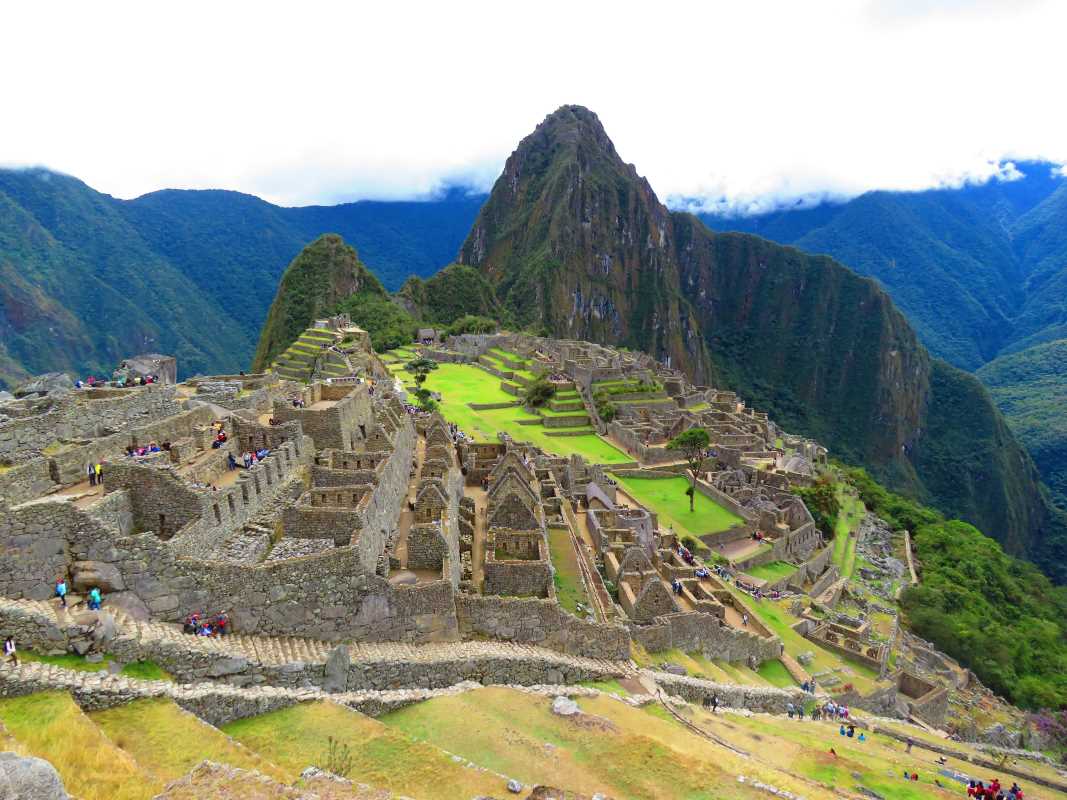
- Machu Picchu: No trip to Cusco is complete without the train ride or trek to the Lost City of the Incas. New visitor circuits help manage crowds and protect the site.
Cusco offers a chance to learn about indigenous history and culture that is still vibrant in the Andes today.