Have you ever noticed how your shoulders drop the second you look out over open water? It turns out your brain is wired for that exact reaction. The late marine biologist Dr. Wallace J. Nichols named this response the Blue Mind state.¹ When you sit near a quiet lake, your brain steps away from constant sensory overload. Your heart rate slows down, cortisol levels drop, and your nervous system finally gets room to breathe.
Most beach vacations do not give you that kind of peace anymore. Between crowded boardwalks, blaring speakers, and sand everywhere, a seaside trip can feel just as frantic as your normal workweek.
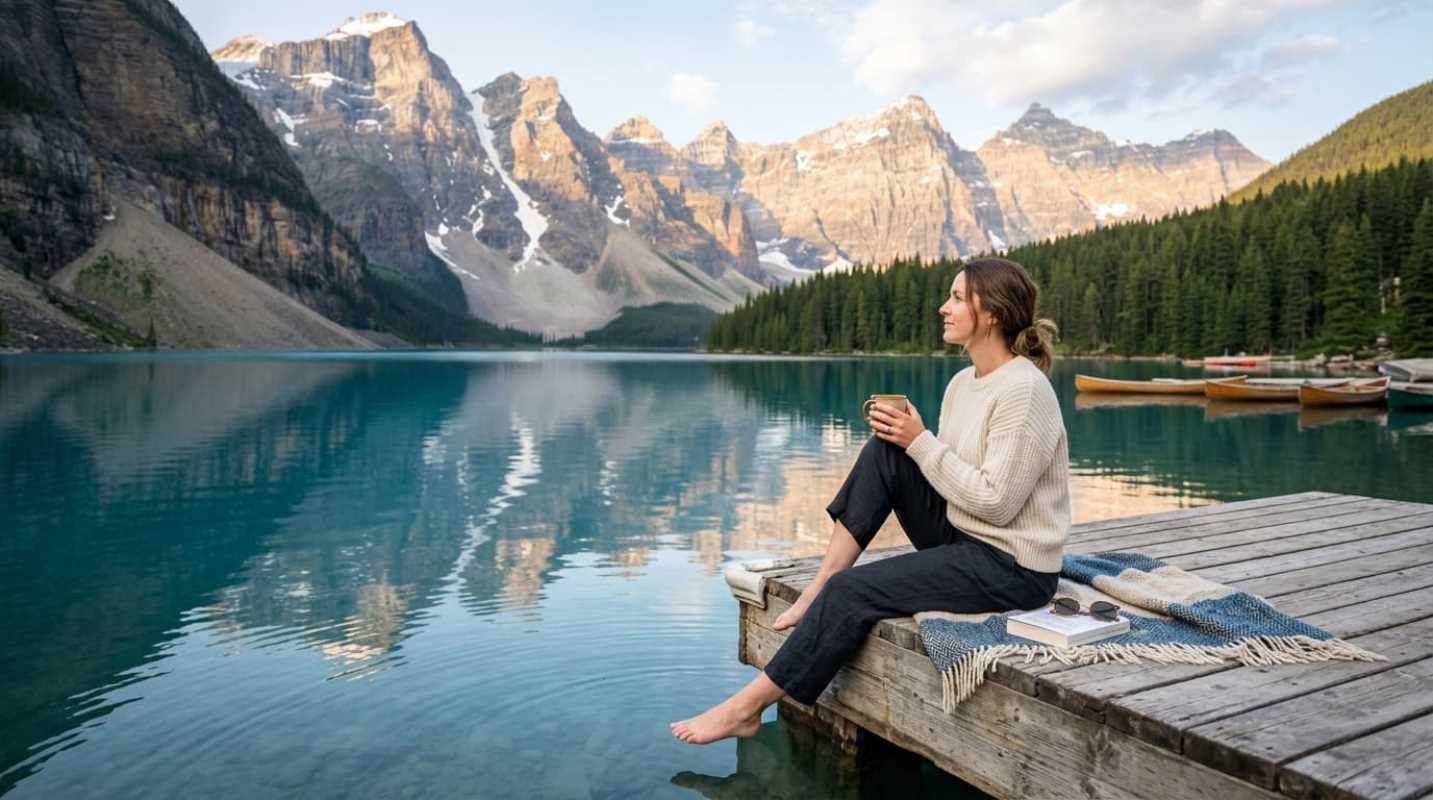
Lakes offer a completely different rhythm. You trade pounding surf for water so calm it reflects the clouds like a mirror. You trade packed highways for dirt roads flanked by tall trees. When you take time away on the water, you give yourself space to unplug, slow down, and actually rest.
Top-Tier Destinations for Nature Lovers
If you want absolute stillness, you have to pick the right body of water. Some lakes buzz with jet skis and party barges, while others protect their silence like a rare treasure. Here are three spots across the globe where nature still sets the agenda.
• Lake Saimaa, Finland: Europe's quietest water network has thousands of small islands and thick evergreen shorelines. Finnish lake culture revolves around simple living. You spend your days paddling glassy channels, picking wild berries, and jumping into cool water straight from a wood-fired sauna.
• Upper Saranac Lake, New York: Hidden in the Adirondack Mountains, this northern New York classic gives you miles of calm water ringed by old-growth pines. Motorized traffic stays low, leaving morning bays open for loons and kayakers. The surrounding park keeps the shoreline dark and quiet at night.
• Lake Wakatipu, New Zealand: Although Queenstown pulls in thrill-seekers on the southern edge, the northern arm near Glenorchy feels like another planet. Towering mountain peaks rise straight out of glacial blue water. The air is crisp, phone notifications rarely buzz, and the sense of space is massive.
These spots give you direct access to untamed nature without making you hike for three days with a heavy pack. You get raw wilderness right outside your door, backed by an atmosphere of deep, unbothered calm.
Waterfront Activities and Scenic Views
Relaxation does not mean you have to lie motionless all day, unless you want to. The best lake days balance gentle, low-impact movement with total downtime. The goal is simple: pick activities that add to the quiet instead of breaking it.
• Dawn paddling: Take a kayak or stand-up paddleboard out right as the sun breaks. The water is at its calmest, the wind has not picked up yet, and you can glide across the surface without another person in sight.
• Wild swimming: Ditch the chlorinated pool. Swimming in fresh, open water shocks your senses in the best way possible. It sharpens your mind and leaves your skin tingling with energy.
• Shoreline yoga and stretching: Find a flat rock or a wooden dock for twenty minutes of movement before breakfast. Listening to ripples lap against the shore beats any studio sound machine.
• Contrast therapy: Modern lakeside escapes often pair natural swimming with outdoor saunas. Spending fifteen minutes in dry heat followed by a quick jump off the dock triggers an intense rush of calm.
Lakeside Lodging and Cabin Retreats
Where you sleep can make or break your trip. According to data from the Global Wellness Institute, travelers are spending significantly more on nature-first accommodations specifically designed to restore mental health.² At the same time, the Hilton Trends Report noted that two in five travelers now choose trips specifically to get better sleep.³
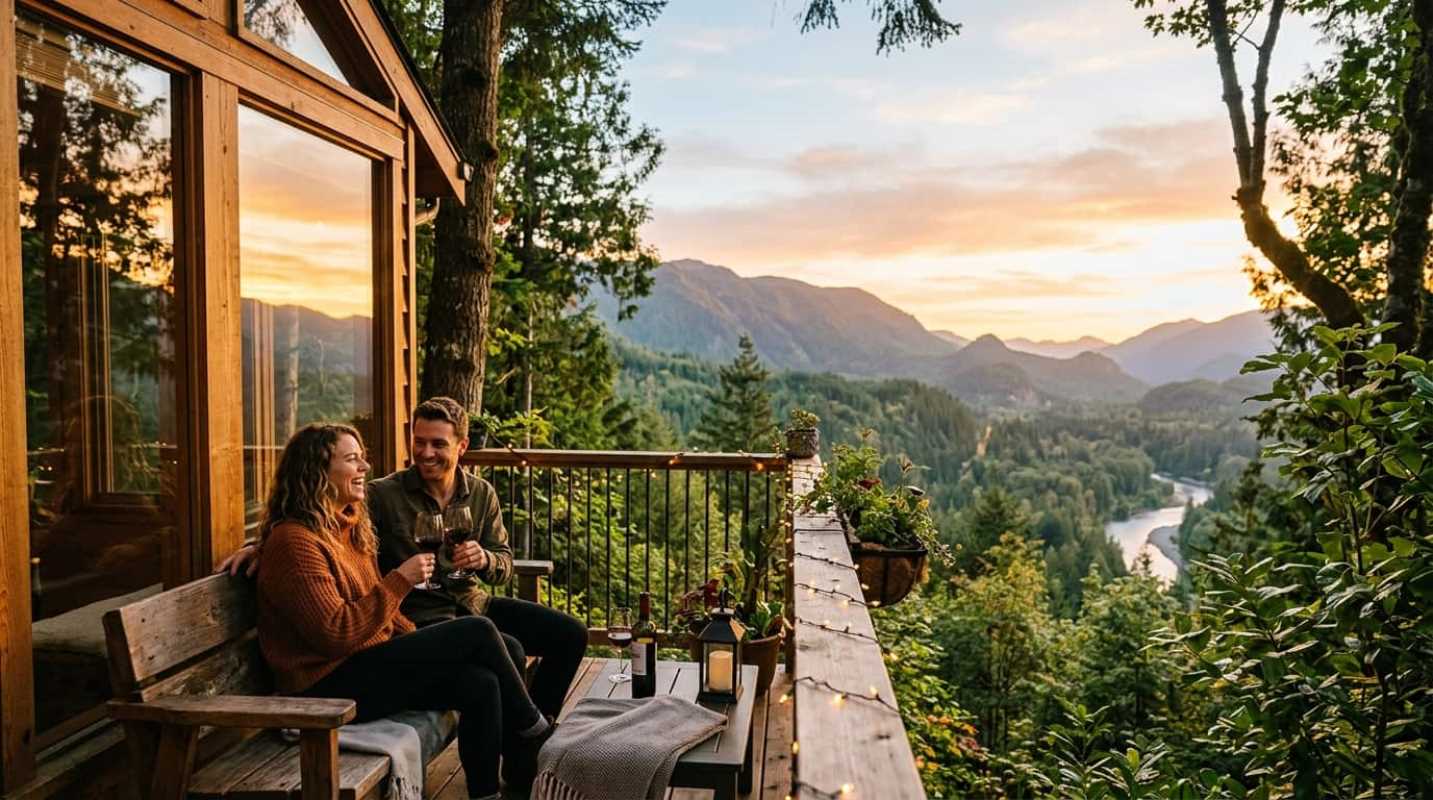
You do not want a generic hotel room with a tiny sliver of a water view. Look for accommodations built around the surrounding woods and shoreline. Authentic timber cabins, modern glass villas, and private boat cottages all give you a front-row seat to the water.
There is even a classic Scottish word for spending the whole morning lounging in bed: "hurkle-durkling." A quality lake cabin is the ultimate place for it. With a crackling wood stove, heavy wool blankets, and tall windows facing the bay, you can watch mist rise off the lake without ever getting out of your pajamas.
When you book, keep a few practical things in mind
• Check boat regulations: Look for bays or lakes with strict motor horsepower limits or no-wake rules. You do not want loud speedboats buzzing your dock at seven in the morning.
• Verify dock privacy: Make sure your rental includes a private dock or direct shore access rather than a crowded community beach.
• Look for dark skies: Choose properties well away from town centers so you can spend your evenings stargazing from the porch without light pollution.
Mastering the Art of Slow Travel
Most of us travel with a packed schedule. We draft spreadsheets, book back-to-back excursions, and rush between landmarks. By the time we head home, we need a vacation from our vacation.
Slow travel is the antidote to that frantic pace. It means unpacking your bags once, settling in, and letting the destination set your clock. On a lake trip, that looks like sleeping until you wake up naturally instead of jumping out of bed for an alarm. It means reading an entire book on a wooden dock over three lazy afternoons.
Ground yourself in the local area through food and daily habits. Stop by small farm stands on your drive in to pick up sourdough bread, fresh eggs, and local fruit. Cook simple dinners on the cabin stove and eat outside as the daylight fades. If you decide to explore nearby towns, pick one quiet cafe and sit there for two hours watching the locals instead of racing through four museums.
Leave your laptop in your bag. Turn off push notifications on your phone. You will be amazed at how quickly your brain adjusts when you stop feeding it constant digital noise.
Your Path to Lasting Calm
Taking a break near calm water gives you something modern life rarely offers: actual quiet. When you trade screen glare for morning fog over a lake, your nervous system gets the reset it desperately needs.
The calm you build on a wooden dock does not vanish the second you pack your bags, either. It stays with you, steadying your thoughts long after you return to your routine. Take a look at your calendar, find an open long weekend, and book a spot by the water. Your mind and body will thank you for it.
Sources:
1. Blue Mind: The Surprising Science of Water
https://30a.com/blue-mind/
2. Statistics & Facts: Global Wellness Economy
https://globalwellnessinstitute.org/press-room/statistics-and-facts/
3. Hilton 2025 Trends Report
https://stories-editor.hilton.com/wp-content/uploads/2024/10/Hilton-2025-Trends-Report.pdf