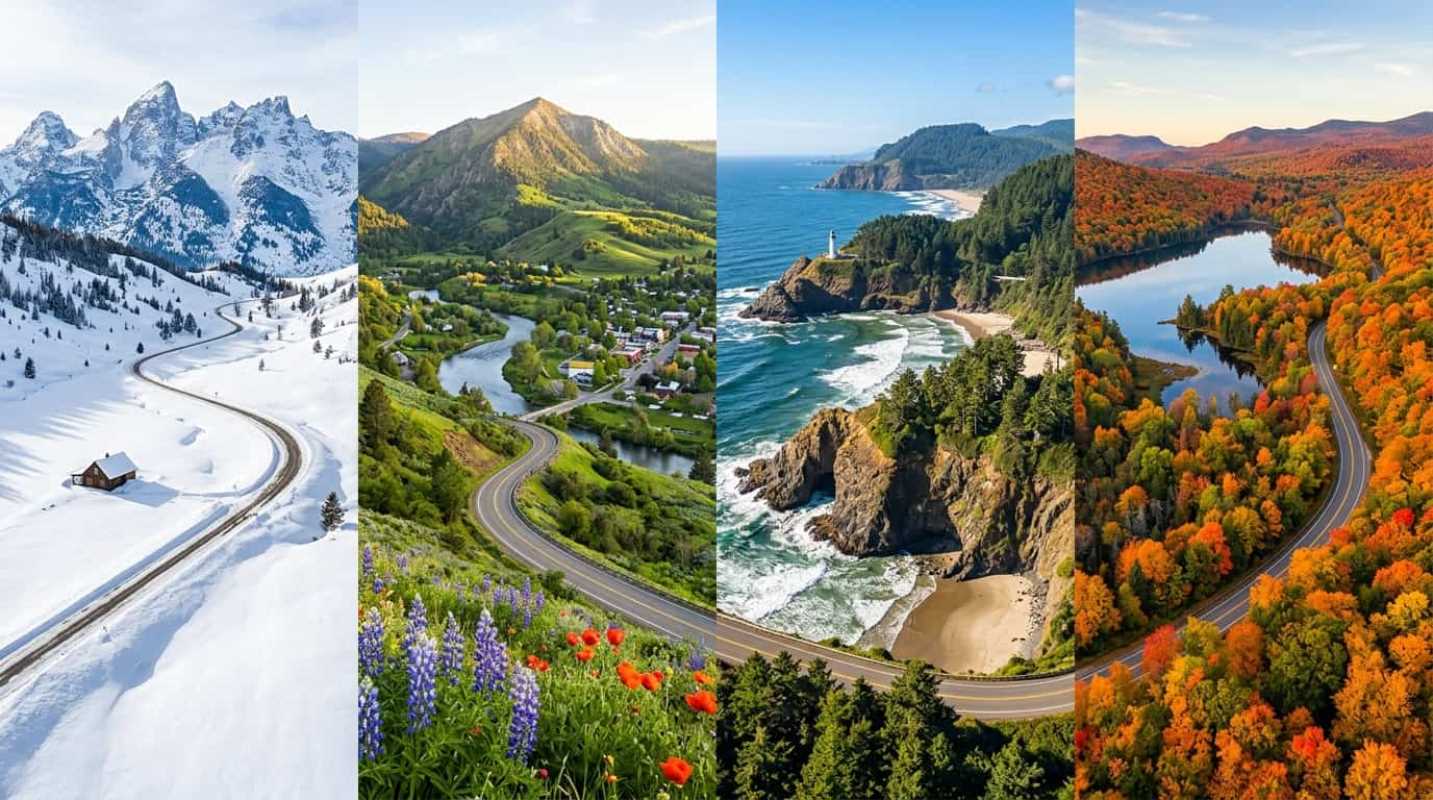
Have you ever shown up at a dream destination only to find suffocating crowds, unbearable heat, or closed doors? It happens constantly. Planning a great domestic vacation comes down to timing. America spans four thousand miles of diverse geography. That means someone is experiencing clear skies and crisp air right now, while another region faces sleet or triple-digit heatwaves.
Travel habits have shifted toward experiential seasonality. People schedule trips around specific natural events like desert wildflowers, fall grape harvests, or midwinter aurora displays. Travelers are also discovering that shoulder-season bookings, between May and June or September and October, have jumped by 13% to 20% year-over-year.¹ Shifting your calendar by a few weeks saves serious money and keeps you away from elbow-to-elbow crowds.
Spring Blooms and Mild Temperatures
Spring brings a welcome thaw across the southern half of the country. It is easily the best window to explore before heavy summer humidity takes over. If you enjoy city walks and botanical gardens, you have great options
• Washington, D.C.: The National Cherry Blossom Festival brings over 3,700 blooming Yoshino cherry trees to the Tidal Basin. Peak bloom typically hits between March 23 and April 5. If you visit in late April or May, you miss the festival rush while still enjoying daytime temperatures in the low 70s.
• Savannah and Charleston: Coastal Georgia and South Carolina burst with color between mid-March and April. Azaleas, wisteria, and dogwoods fill the historic squares, and daytime highs hover around a comfortable 75 degrees.
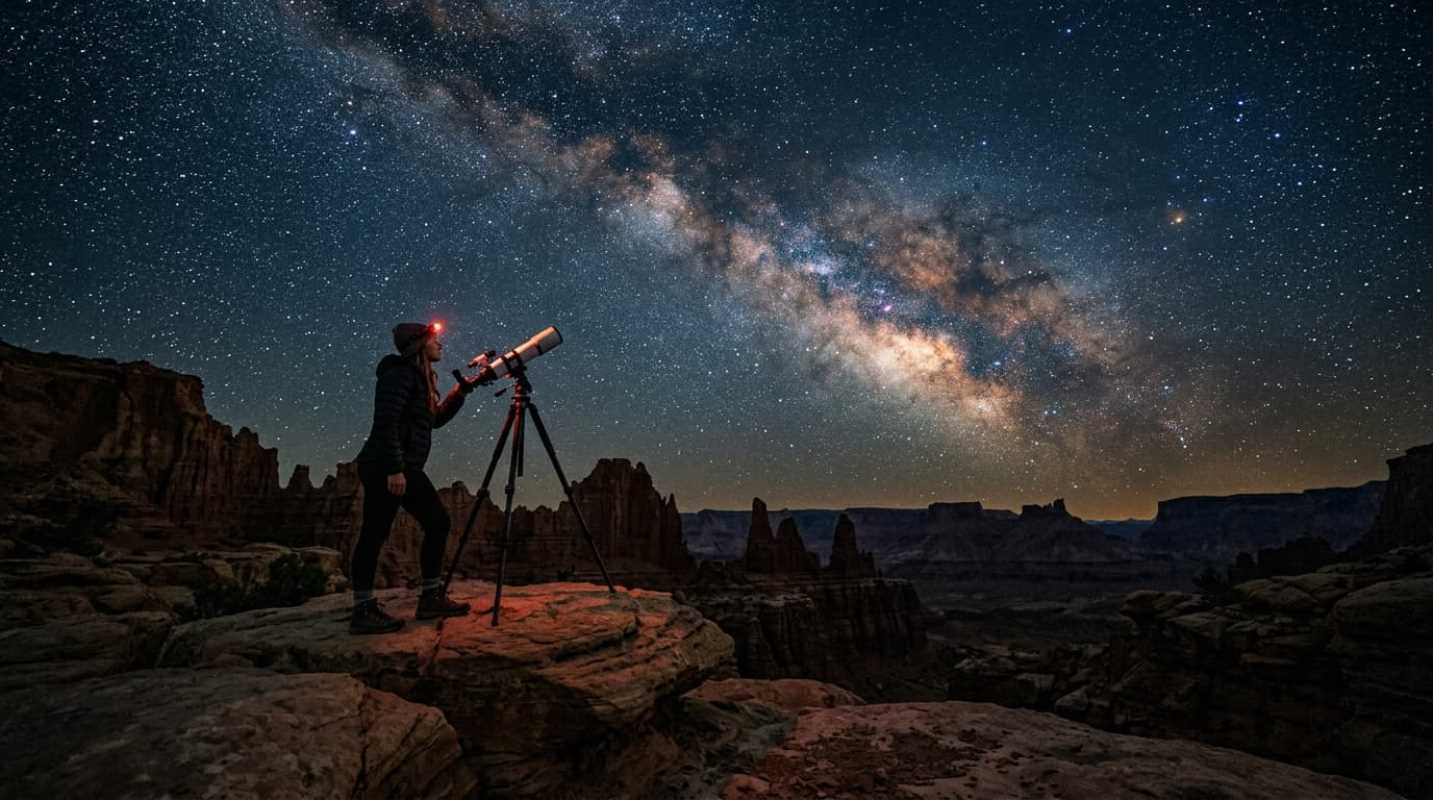
• Sedona and Moab: Desert parks in Arizona and Utah get brutally hot by June, but spring brings daytime highs in the upper 60s to mid-70s. Arches National Park requires a timed-entry reservation between April and October, so grab your slot through recreation.gov three months ahead.
Early spring delivers great financial value. Booking between early March and mid-April lets you dodge peak summer airline surcharges and lock in lodging before the mid-year rush begins.
Summer Coastal Escapes and Mountain Adventures
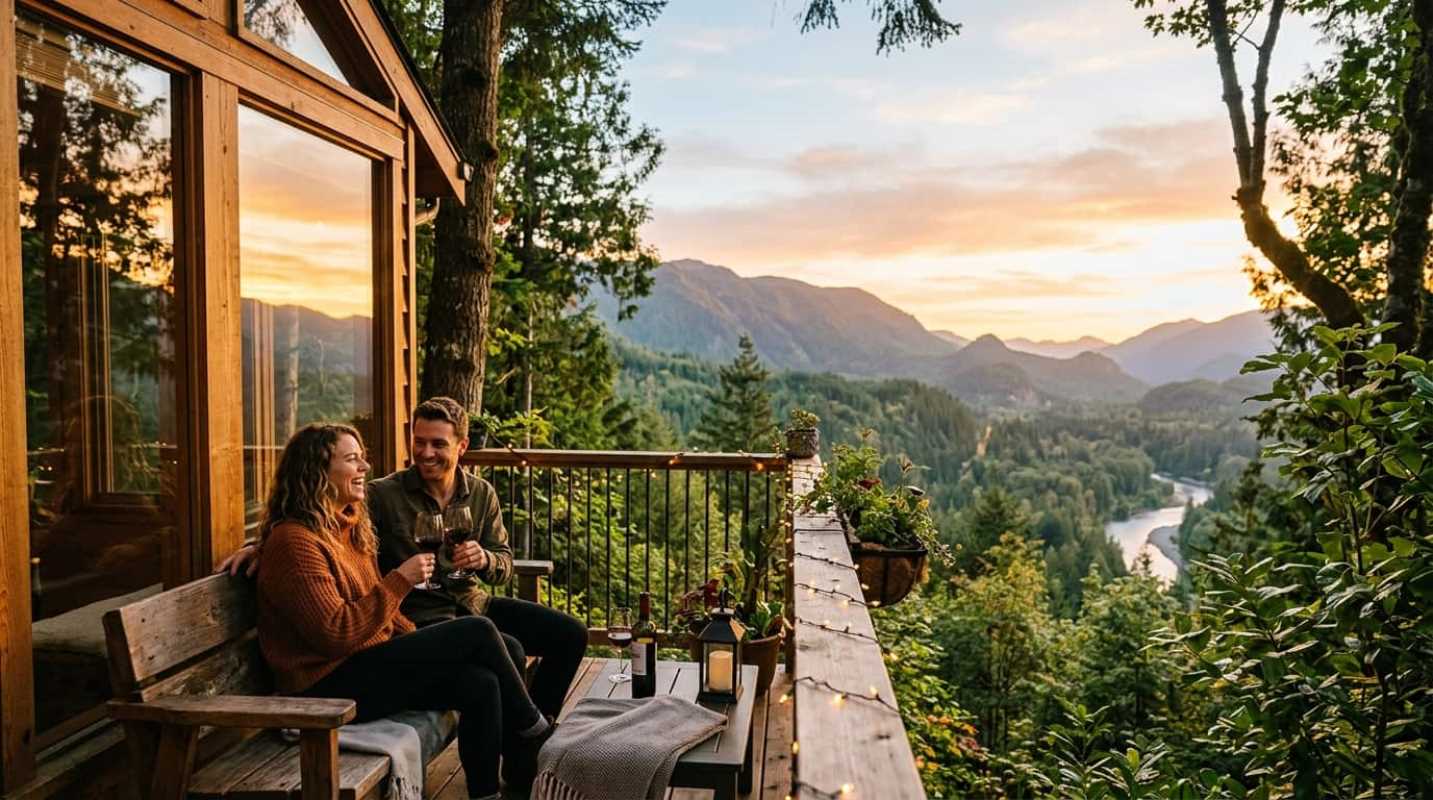
Summer calls for northern latitudes and high elevation. With record heat baking the southern states, "coolcationing" has become a sensible travel habit. Instead of baking on a humid southern beach, head north for fresh ocean breezes and alpine trails.
Acadia National Park on Maine's Mount Desert Island brings daytime temperatures in the mid-70s and crisp evenings around 55 degrees. You can kayak along protected ocean inlets, bike historic carriage roads, and hike granite ridges without breaking into a heavy sweat. Just plan ahead for Cadillac Mountain. Vehicle reservations to watch the country's first sunrise routinely book out within minutes of being released.
Out west, Glacier National Park in Montana finally opens its high-altitude roads. The iconic Going-to-the-Sun Road rarely clears of snow before late June or early July, making July and August the only window to cross Logan Pass. If you head toward the Pacific Northwest, Olympic National Park and coastal Washington deliver cool marine air, rainforest walks, and night skies.
Summer travel logistics require extra attention
• Watch the skies: July records the highest flight disruption rate nationwide, with roughly 30% of domestic flights facing delays or cancellations from peak passenger volume and thunderstorms.²
• Track air quality: Wildfire season can affect western mountain ranges, so keep tabs on the AirNow tracker when planning Cascade or Rocky Mountain hikes.
• Book permits early: High-demand corridors in Glacier and Acadia require vehicle reservations months in advance.
Autumn Foliage, Festivals, and Harvest Flavors
When September arrives, summer family crowds thin out, airfares drop, and the weather turns crisp. Autumn is easily the most rewarding window on the domestic travel calendar.
New England in the fall is famous for good reason. Stowe and the Green Mountains of Vermont become a sea of fiery sugar maples. Northern Vermont peaks between late September and October 8, while southern valleys hold color through mid-October. Keep in mind that boutique lodging rates along Route 100 jump by 40% to 70% during peak color weeks, so book well in advance or stay a town or two away from the main tourist hubs.
If you prefer food and wine, autumn marks harvest season in California. Napa and Sonoma valleys buzz with activity as crews pick and process grapes. With clear skies, virtually zero rainfall, and afternoon highs in the low 80s that drop into the 70s by October, it is an incredible time for patio tastings and vineyard tours.
Taking advantage of fall shoulder-season travel offers clear financial perks
• Airfare drops: Average domestic flight prices fall by 21% to 25% once Labor Day passes.³
• Lodging discounts: Hotels drop room rates by 20% to 40% compared to summer peaks.
• Quieter trails: National park visitation drops by up to half, letting you hike without fighting for parking.
Winter Snowy Retreats and Desert Sanctuaries
Winter travel divides into two distinct camps: you either lean directly into the snow or run toward the sun.
For cold-weather fans, ski towns like Park City, Utah, and Breckenridge, Colorado, provide deep powder and lively après-ski scenes. Average winter temperatures stay in the high 20s and low 30s, accompanied by hundreds of inches of snowpack. The trick to booking a ski vacation is avoiding Christmas week through New Year's Day and MLK weekend. If you book during mid-to-late January, you find deep snow bases, lower lodging prices, and short lift lines.
If you want to leave your heavy coat behind, trade the snow for the desert. Scottsdale, Arizona, treats you to daytime highs in the low 70s, making it an ideal winter golf and hiking hub. Further southeast, Key West provides average highs around 76 degrees with low humidity. Because Key West is the warmest mainland spot in the country during winter, hotel rates routinely exceed $500 per night, so reserve your room three to four months out.
Looking for an adventure off the beaten path? Consider Fairbanks, Alaska. Travelers who spend at least three nights in Fairbanks between November and March have a statistical likelihood of over 90% of catching the Aurora Borealis under the Auroral Oval.
Curating Your Year-Round Travel Calendar
Building a smart travel calendar comes down to matching your personal travel style to what a region does best. Do not fight the weather or the crowds. Let the calendar do the heavy lifting for you.
Start by picking one anchor trip for the year and locking in reservations early, especially for competitive national parks or peak foliage corridors. For everything else, stay flexible. Target shoulder seasons like April and late September when flight prices drop and trails empty out. Exploring outside standard summer vacation windows lets you see famous American spots at their absolute finest, all while keeping your budget intact.
Sources:
1. US Fall Winter Travel Trends 2025
https://iges.us/news/us-fall-winter-travel-trends-2025/987502675/
2. 2025 Travel Trends Report
https://2025trends.thepointsguy.com/
3. US Tourism Statistics
https://www.squaremouth.com/travel-advice/us-tourism-statistics