Have you ever returned from a vacation feeling like you needed another vacation just to recover? If you spent four days dodging tour groups in central Rome or waiting in a two-hour security line just to catch a glimpse of the Mona Lisa, you know the feeling. Travelers are running into a wall of crowd exhaustion, and it has changed how people think about getting away.
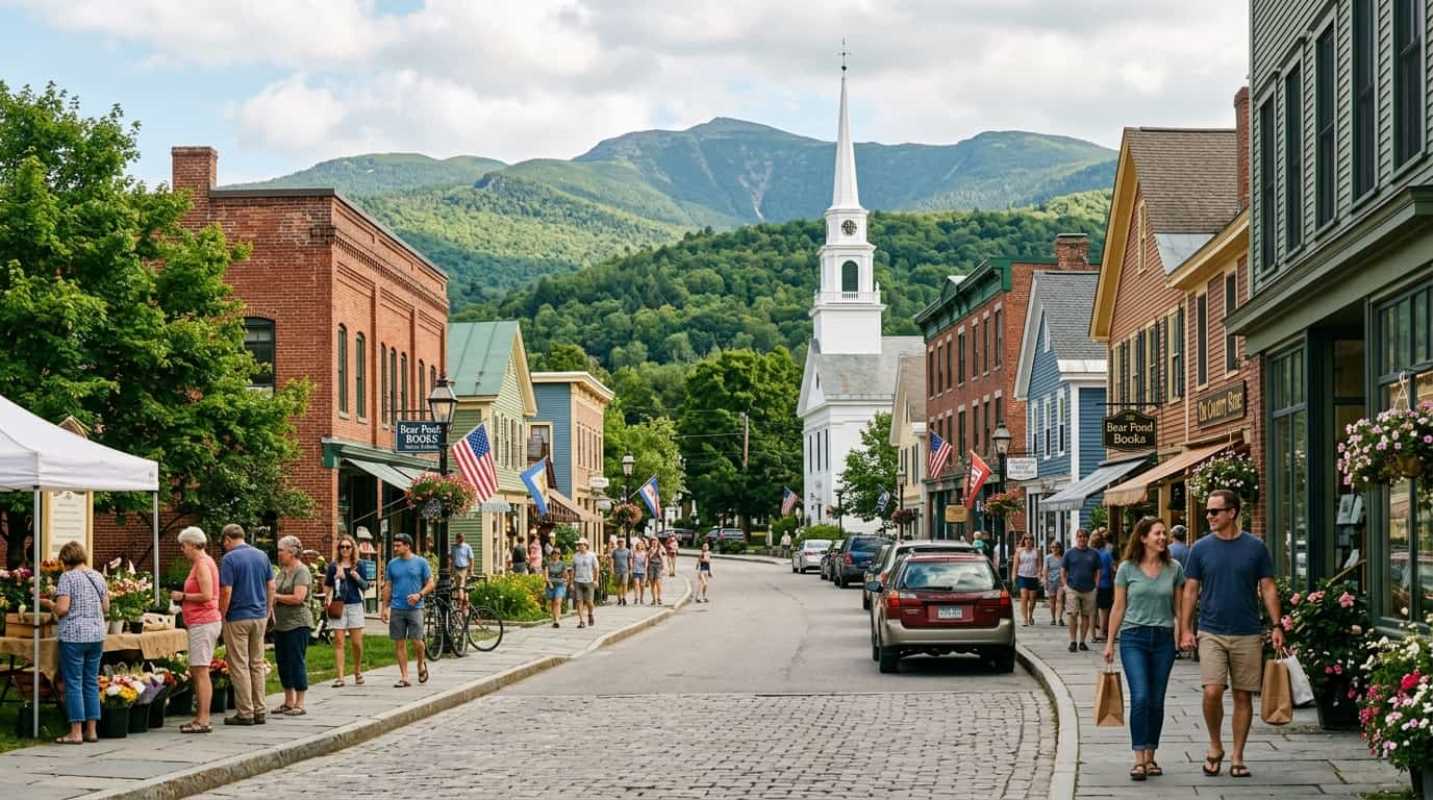
Instead of racing across a megacity to check monuments off an endless list, more travelers are choosing trips that give them room to breathe. They are trading crowded capitals for smaller towns where you can chat with the baker, sit down in a sunny plaza without reservations, and actually connect with the people who call the place home.
The travel industry is seeing this shift firsthand. In recent trend data from Expedia, 63% of global consumers said they plan to visit a lesser-known detour destination rather than sticking strictly to predictable primary cities.¹ Between rising costs in major metropolitan hubs and tourist pushback in places like Barcelona, small-town travel has become a refreshing alternative for modern wanderlust.
Finding the Magic with Local Charm and Community Vibe
Why do small towns leave such a lasting impression? Think of it like meeting someone at a quiet neighborhood dinner party versus trying to shout over music in a packed nightclub. In a smaller town, you actually get to hear the stories that give a place its character.
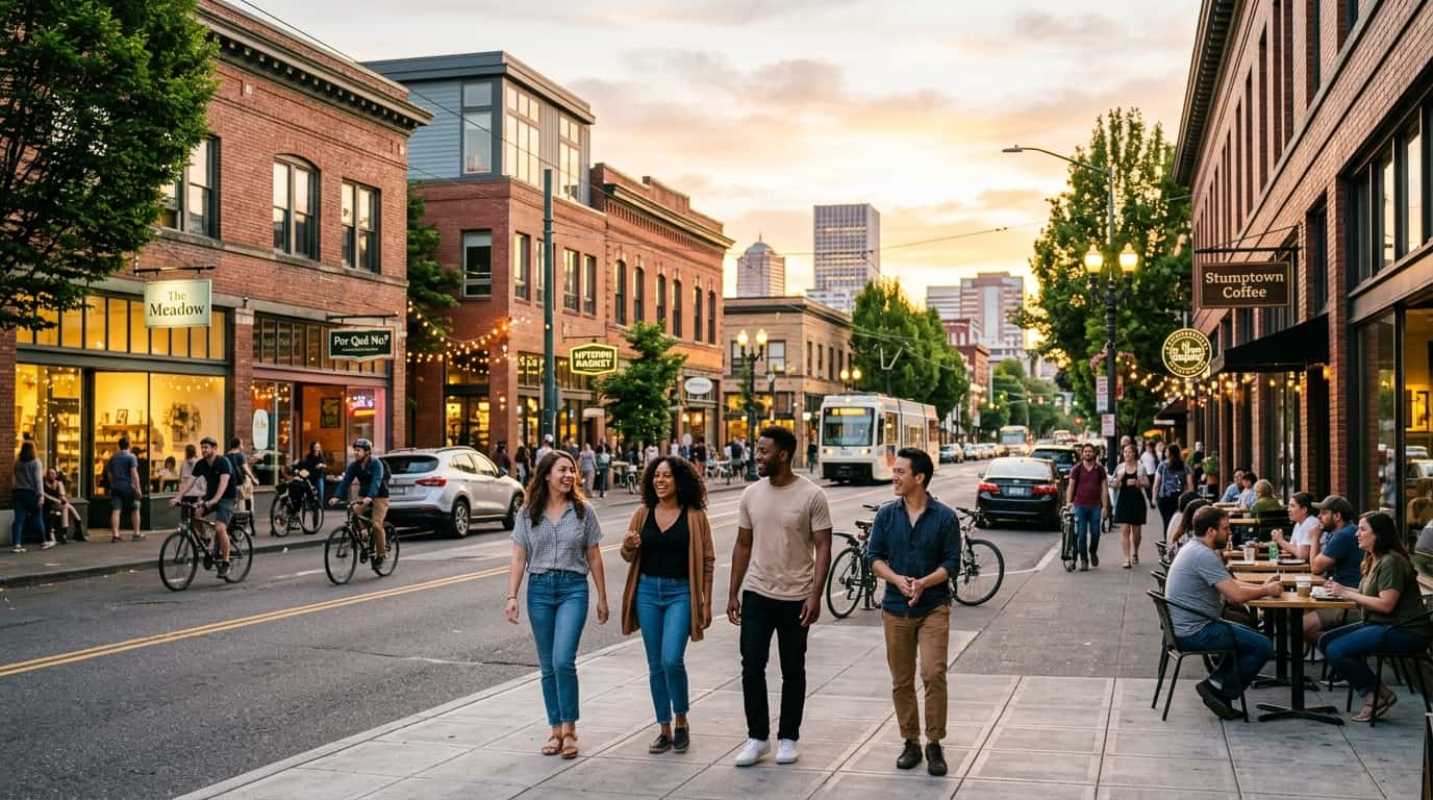
Most storefronts in small towns belong to people who live right down the street. When you step into an independent bookstore, the person behind the counter is often the owner, ready to hand you a favorite novel with personal notes tucked into the jacket. When you order coffee in the morning, the barista might point you toward an unmarked scenic overlook that never made it into the commercial guidebooks.
That kind of casual warmth rarely survives in destinations dominated by multinational retail chains and corporate hotels. Smaller towns hold fast to regional food traditions, architectural quirks, and hometown pride that give them an unmistakable sense of place.
Walkable Downtowns and Exploring Without Stress
Picture your ideal morning on a trip. You step out of your inn, walk three doors down for a warm pastry, pick up an iced latte across the street, and wander through an open-air market, all before 9:00 AM. No subway transfers, no hailing cabs, and no surge pricing on rideshare apps.
Walkability is one of the greatest travel luxuries you can find. When your lodging, dinner spot, morning bakery, and favorite park are clustered within a fifteen-minute stroll, your whole body relaxes. You explore at human speed, catching the scent of blooming jasmine, noticing hand-carved window frames, and stumbling upon hidden courtyards you would have missed through a car window.
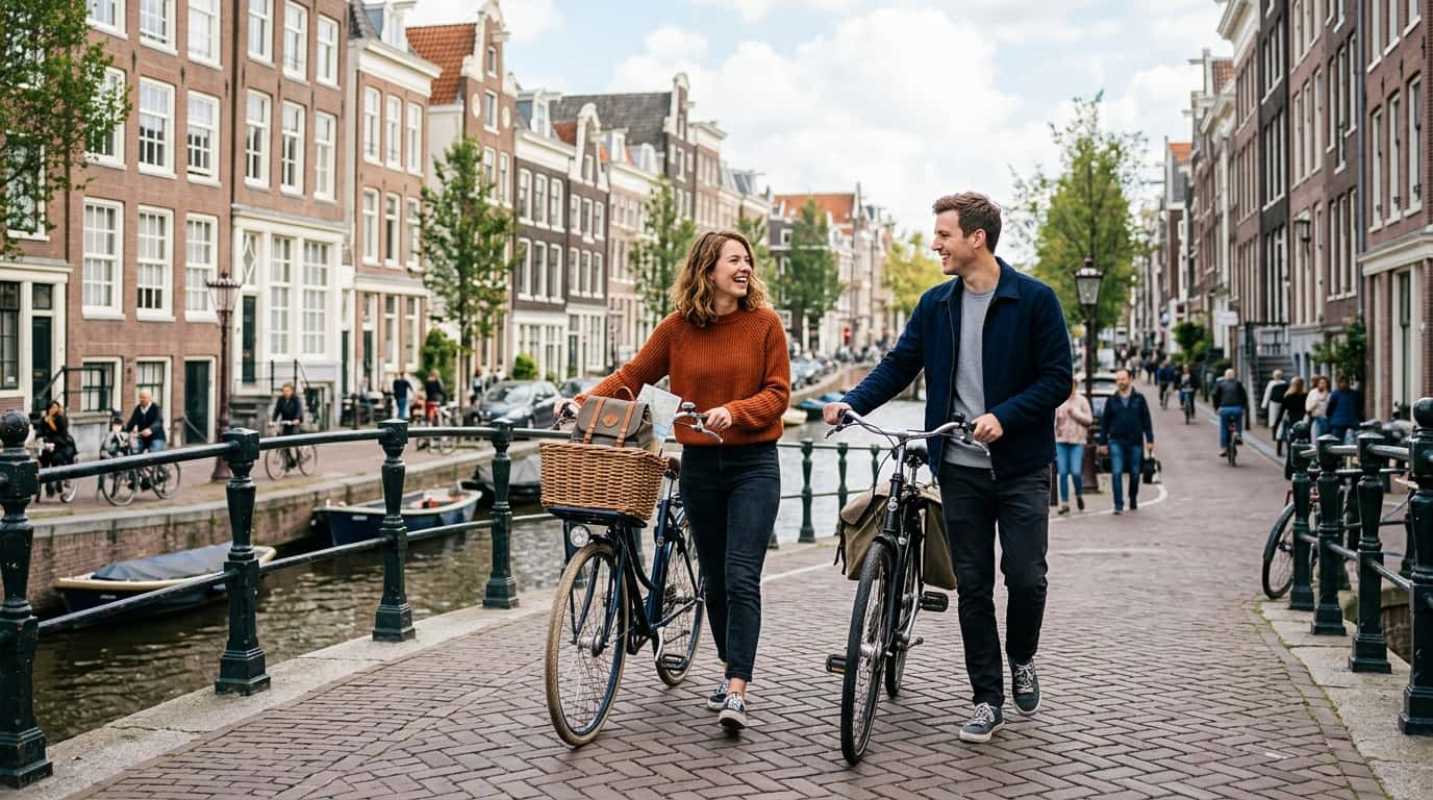
Take Lucca, Italy, as an example. The town wrapped its historic core in thick stone ramparts centuries ago, and today those walls form a wide, tree-lined promenade completely closed to cars. You can rent a bicycle or wander on foot for miles, gazing out over terracotta rooftops and lively piazzas without watching over your shoulder for traffic.
Beyond the Guidebook for Hidden Gem Alternatives
Skipping the traditional tourist capitals does not mean lowering your standards. In fact, it often gives you a richer trip for less money and a fraction of the hassle.
If you are planning your next trip, consider these easy alternatives to standard tourist hubs
• Girona instead of Barcelona: Located under forty minutes from Barcelona by high-speed rail, Girona offers winding medieval stone alleys, the colorful houses of the Onyar River, and peaceful plazas free from cruise ship crowds.
• Reims instead of Paris: Sitting forty-five minutes east of Paris, this historic center gives you grand Gothic architecture, underground Roman chalk cellars, and world-class Champagne houses without the urban congestion.
• Healdsburg instead of San Francisco: Located in northern California wine country, Healdsburg gathers boutique tasting rooms, art galleries, and artisanal bakeries around a central nineteenth-century plaza where no car is needed.
• Oxford instead of Nashville: Set in northern Mississippi, this university town centers on a shaded courthouse square filled with legendary bookshops, music venues, and historic Southern architecture.
Savoring the Scene Through Food and Culture
One of the biggest travel myths is that you have to visit a metropolis of millions to eat an extraordinary meal. That might have been true decades ago, but the culinary world has decentralized in exciting ways.
Talented chefs and bakers have increasingly left expensive coastal cities to open kitchens closer to the farms, orchards, and vineyards they love. Because their ingredients travel minutes instead of days to reach the plate, small-town kitchens often serve dishes that rival the best restaurants in New York or Paris.
Consider Oxford, Mississippi, which claimed the top spot in Newsweek's ranking of America's best small foodie cities.² Between James Beard Award-winning kitchens like City Grocery and modern spots like Snackbar, the town serves world-class meals right alongside its storied literary history at William Faulkner's Rowan Oak estate.
Out west in Healdsburg, the town supports exceptional fine dining like SingleThread, which pairs three Michelin stars with ingredients harvested that very morning from their nearby regenerative farm. You get world-class culinary creations paired with the relaxed hospitality of a rural agricultural community.
Planning Your Next Escape
Getting the most out of a small-town getaway takes just a little bit of smart preparation. Because these towns move at their own rhythm, a few adjustments to your usual travel routine go a long way.
Here are a few practical rules for finding and enjoying your next stop
• Follow the regional train lines: Search for secondary towns sitting thirty to sixty minutes outside major rail hubs. You gain the convenience of quick transit links without paying capital-city prices for your hotel room.
• Check community calendars: Look up local harvest festivals, weekend farmers markets, and outdoor concert series before booking your dates. Timing your trip around a town gathering gives you an instant window into local life.
• Reserve your dinners early: Because the best small-town dining rooms have limited seating and loyal local followings, book your tables a couple of weeks ahead of time for weekend evenings.
• Honor the local community: Remember that you are visiting a real, working neighborhood. Support independent family businesses, tip generously, and respect local guidelines regarding parking and quiet hours.
Choosing a small town allows you to slow down and discover a place on its own terms. Pack a light bag, leave room in your schedule for unplanned afternoons, and permit yourself to take the detour.
Sources:
1. The Detour Destinations to Know About in 2025, According to Expedia
https://www.timeout.com/news/the-detour-destinations-to-know-about-in-2025-according-to-expedia-121624
2. Best Small Foodie City (2025)
https://www.newsweek.com/readerschoice/best-small-foodie-city-2025