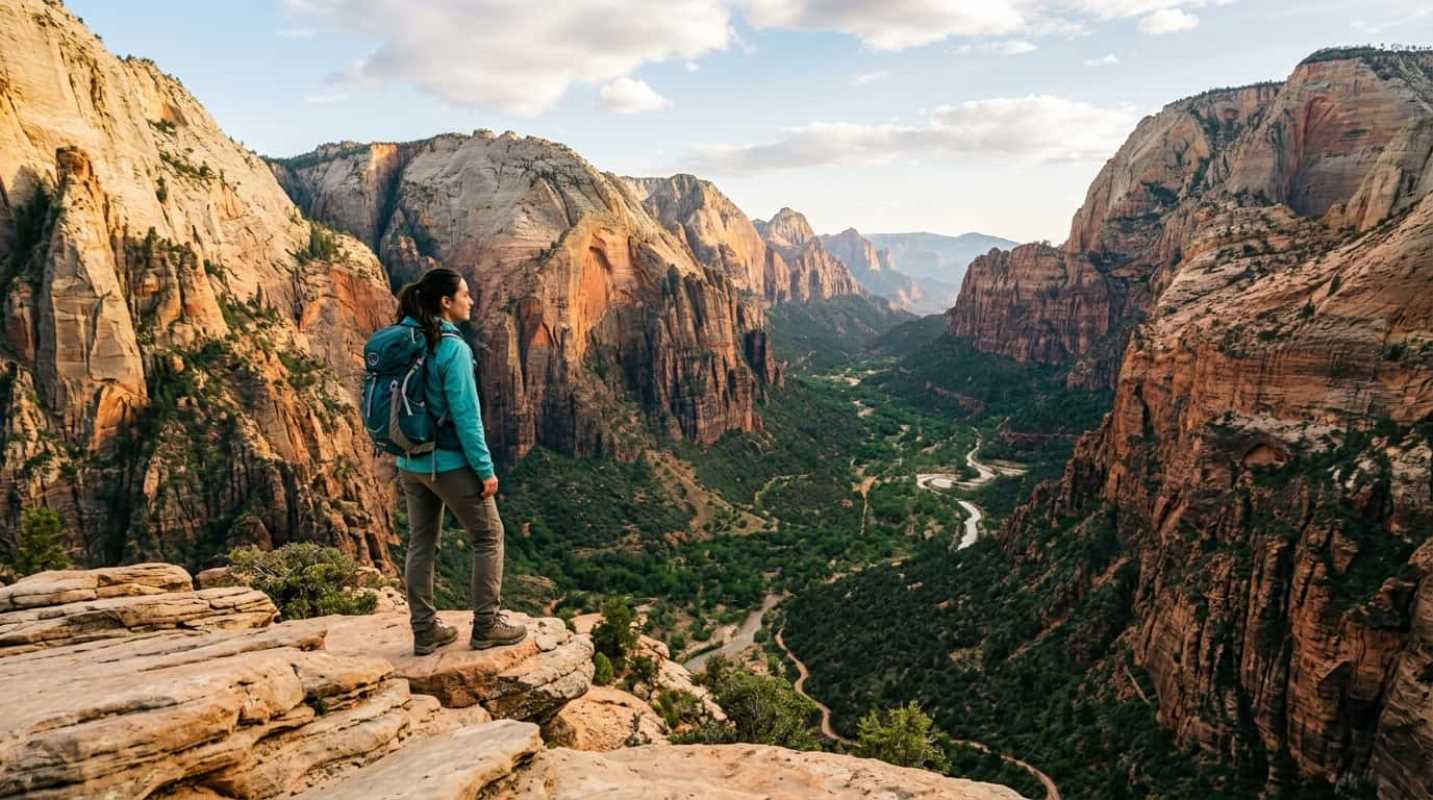
Have you ever stood on the edge of a canyon so vast that your brain struggles to process the scale of it? That sensation explains why millions of people pack up their cars every single year to explore public lands. Across more than 400 park units, the National Park System logs over 320 million recreation visits annually.¹ These places protect wild rivers, ancient forests, and massive geological formations that you simply cannot find anywhere else on the planet.
Visiting these spaces can completely reset your perspective. When you step away from screens and traffic, you get a direct look at the raw, untamed terrain that shaped the continent. Whether you crave high-altitude hikes or quiet coastal views, there are a few iconic destinations that every traveler should see firsthand.
The Giants of the West
When people dream about a classic American road trip, two locations usually jump to mind first: Yellowstone and Yosemite. They set the standard for what a wild park can be.
Yellowstone was the world's very first national park, created back in 1872. It sits on top of an active supervolcano, which means the ground beneath your feet is constantly hissing, bubbling, and steaming. The park holds more than half of the active geysers on Earth. If you visit, make the effort to get out to Lamar Valley at daybreak. People call it America's Serengeti for good reason. Bring a spotting scope between 5:30 AM and 7:00 AM, and you might spot grizzly bears, gray wolves, pronghorn herds, and hundreds of bison wandering across the flats.
A bit farther south in California, Yosemite trades thermal steam for sheer granite walls and roaring water. The valley floor looks like a cathedral carved by glaciers, framed by massive rock faces like El Capitan and Half Dome.
If you want to feel small, stand near the base of Yosemite Falls during the spring snowmelt in May. The water drops 2,425 feet, throwing chilly spray across the valley. For hikers who do not mind heights, climbing the Mist Trail past Vernal and Nevada Falls gives an exhilarating workout on slick stone steps.
Hidden Gems and Coastal Escapes
Not every unforgettable trip requires wandering through dense pine forests. Different regions offer completely different adventures, depending on your preferred travel pace.
Down in southern Utah, Zion National Park feels like an entirely different planet. The Virgin River carved a deep gorge out of Navajo sandstone, leaving behind sheer rock towers stained in shades of rust, cream, and red.
Adventure seekers head straight to Zion for two famous routes
• The Narrows: A trek where you wade waist-deep into the Virgin River between thousand-foot canyon walls that squeeze down to thirty feet wide.
• Angels Landing: A narrow rock fin flanked by dizzying drop-offs on both sides, where hikers hold onto bolted metal chains to pull themselves to the summit.
If you prefer the smell of salty ocean air, head across the country to Acadia National Park in Maine. Acadia is the oldest national park east of the Mississippi River, where rugged pink granite shores meet the cold Atlantic Ocean.
Drive up Cadillac Mountain in the autumn to watch the earliest morning sun hit the United States mainland. The fall foliage turns the surrounding hills into a sea of scarlet and amber, offering a peaceful, slow-paced retreat that contrasts sharply with the rugged deserts of the West.
Mastering the Logistics
Planning a trip to these popular destinations takes some forethought. Showing up at the gate at noon without a plan will only lead to crowded parking lots and frustration. Here is how you can pull off a smooth visit in 2026
• Book lodging a year early: Historic lodges inside Yellowstone, the Grand Canyon, and Yosemite open reservations twelve to thirteen months ahead through their concessionaires. Mark your calendar and jump on openings right when they drop.
• Learn the lottery schedules: High-demand hikes require permits to keep trails safe. Angels Landing uses seasonal and day-before lotteries on Recreation.gov.³ Yosemite uses a similar lottery for the Half Dome cables every spring .²
• Follow the sunrise rule: Most park visitors pull up to entrance stations between 9:30 AM and 3:30 PM. Beat the lines by entering before 8:30 AM or after 4:30 PM. You will get open trails, cooler weather, and much better light for your photos.
• Travel during shoulder seasons: July and August bring baking heat and heavy crowds. If your schedule allows, aim for September or early October. The summer rush clears out, temperatures drop into the crisp sixties, and wildlife becomes far more active.
• Grab an annual pass: If you plan to visit three or more parks in twelve months, buy the America the Beautiful pass for eighty dollars. It covers entrance fees at thousands of federal recreation sites across the country.
Responsible Exploration
These parks belong to all of us, which means we all share the job of taking care of them. With millions of boots on the ground every season, small thoughtless actions add up fast.
Always stick to established trails. Stepping off the path in fragile alpine meadows or desert crusts can destroy delicate plants that take decades to grow back. Pack out every scrap of trash you bring in, including fruit peels and snack wrappers.
Wildlife safety is just as important. Never feed wild animals, and give large creatures plenty of room. Bison and elk look calm from a distance, but they are powerful, unpredictable animals that can charge in a split second. Keep at least twenty-five yards between yourself and large herbivores, and stay at least one hundred yards away from bears and wolves.
Start Your National Park Journey Today
Visiting our national parks is a rite of passage that stays with you long after the red dirt washes off your boots. From watching geysers erupt against a chilly morning sky to sitting on a Maine cliff as the tide rolls in, these places remind us of the incredible wild beauty right in our own backyard.
Do not put it off for some distant year down the road. Grab a map, pick a park that matches your style, reserve a campsite, and get ready to experience the great outdoors.
Sources:
1. National Park Service Visitor Use Statistics Dashboard
https://www.nps.gov/subjects/socialscience/visitor-use-statistics-dashboard.htm
2. Yosemite National Park Reservations
https://www.nps.gov/yose/planyourvisit/reservations.htm
3. How to Score a Permit in the Angels Landing Lottery
https://eastzionadventures.com/how-to-score-a-permit-in-the-angels-landing-lottery/