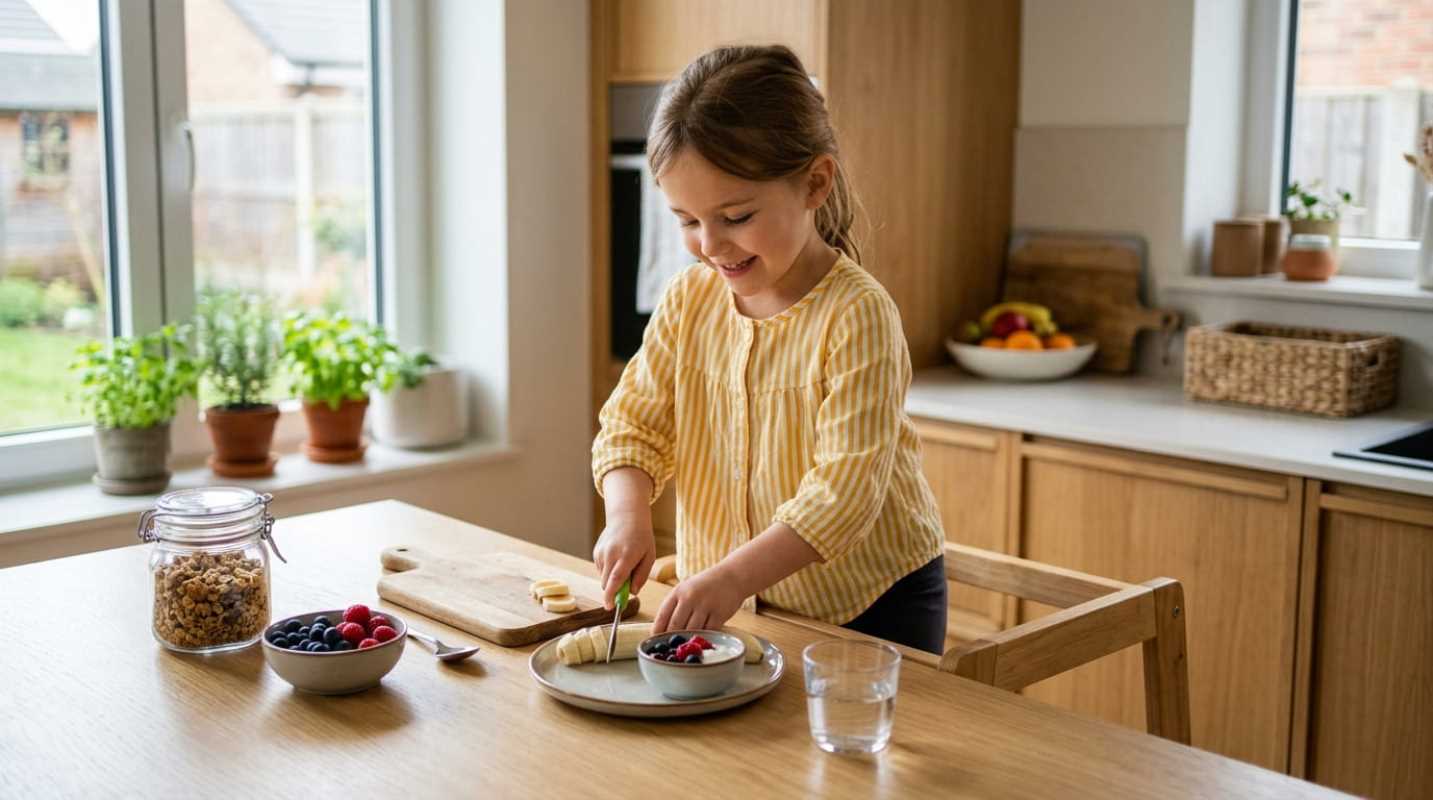
Have you ever watched your child freeze up at the edge of a soccer field, or cross their arms and say "no way" to a new activity before they even gave it a shot? It is a familiar scene for almost every parent. You want them to dive in, have fun, and build confidence. But when you push too hard, they usually dig in their heels and retreat further into their shell.
Getting kids to step out of their comfort zone takes more than cheerful cheerleading or telling them that practice makes perfect. It comes down to lowering the emotional stakes of being a beginner. When you make it safe for them to wobble, stumble, and explore, trying new things turns from a scary threat into an adventure.
The Power of Parental Modeling and Being the Brave Explorer
Kids have built-in antennas for adult hypocrisy. If you stick strictly to your own routines and avoid anything you cannot do well, your kids notice. Why should they take a risk on a new instrument or martial arts class if they never see you stumble through something unfamiliar?
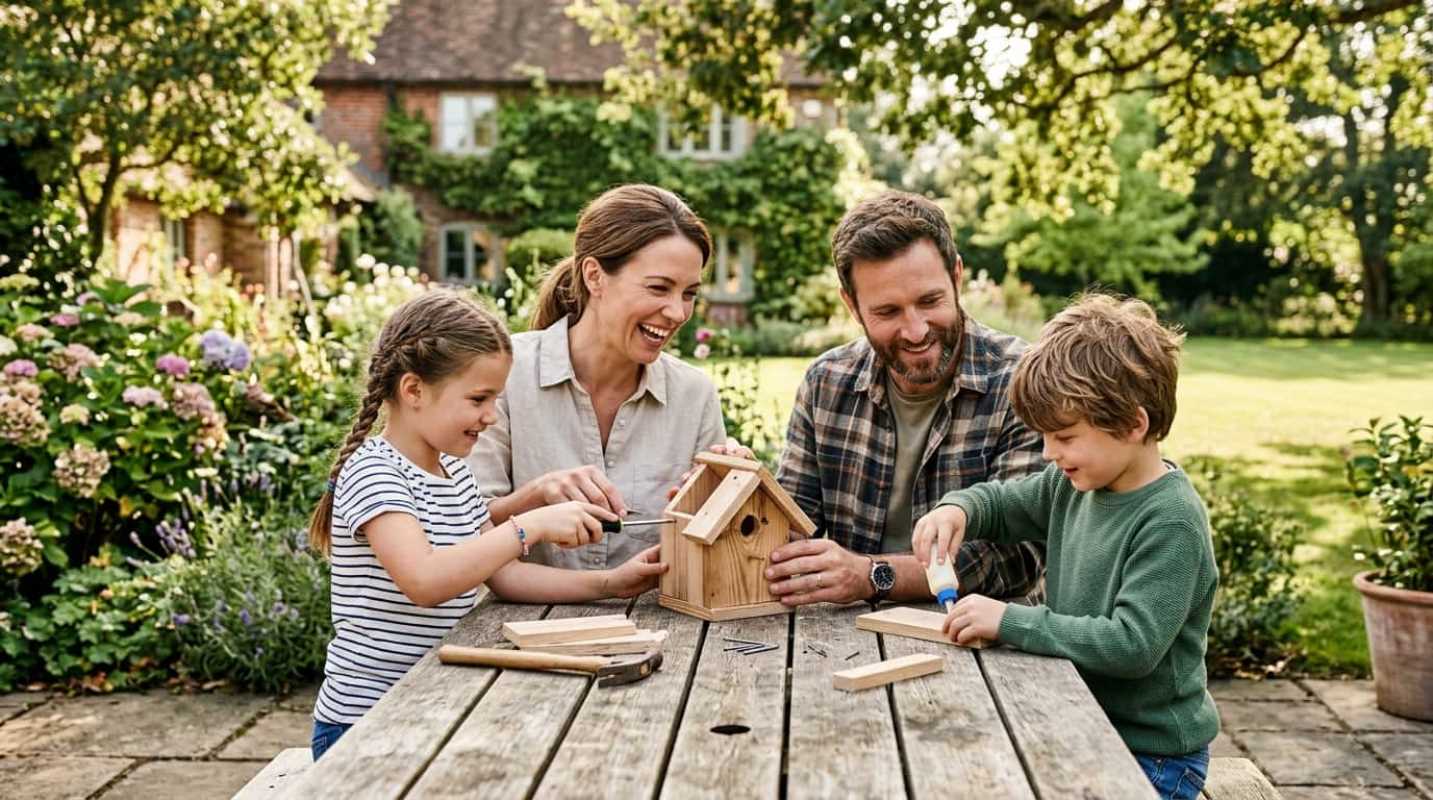
Show your kids what everyday courage looks like by trying new things in front of them. Sign up for a pottery workshop, pick up a beginner guitar, or tackle a recipe with ingredients you cannot pronounce.
Narrate your own learning curve out loud so they can hear what vulnerability sounds like in real time. You might say: "I am trying to assemble this bookshelf, and honestly, I feel pretty confused by these directions. I put the shelf on backward twice. But that is okay. I will take a breath, read the diagram again, and figure it out."
Drop the expert persona. You do not need to have every answer, and pretending you do sets an impossible standard. When you step down from the role of the all-knowing parent and become a fellow learner, you give your child permission to be an imperfect beginner, too. Research led by Kyla Haimovitz and Carol Dweck shows that how parents react to failure is far more predictive of their children's mindsets than anything parents say about intelligence.² If you react to your own mistakes with humor and patience, your kids learn to do the same.
Normalizing Mistake-Making and Growth Mindset
Most kids who refuse to try new things are not stubborn. They are terrified of looking foolish. When children hold a fixed mindset, they assume that ability is carved in stone: you are either naturally athletic or you are clumsy, naturally musical or tone-deaf. Under that mindset, a clumsy first try feels like proof that they lack talent.
A growth mindset flips that script completely. It treats talent like a muscle that grows when you challenge it. That difference is not just feel-good theory. Data from global OECD PISA assessments shows that students with a growth mindset scored significantly higher in core subjects, outperforming peers by 31.5 points in reading, 27 points in science, and 23 points in math.³ They also reported less fear of failure and higher overall life satisfaction.
To build that mindset at home, treat failure as neutral data rather than a personal flaw. When an experiment goes wrong, ask: "What information did that attempt give us for next time?"
You can also use a few practical habits to normalize the learning curve
• Deploy the word yet: When your child groans that they cannot skate, add the missing word: "You cannot skate yet."
• Explain brain plasticity: Remind them that wobbly legs or dropped balls are physical proof that their brain is building new neural pathways.
• Validate their hesitation: Instead of brushing off their worry with a dismissive "it's easy," try saying: "It feels weird to be a beginner when other kids already know what they are doing. It makes sense that you have butterflies."
The Art of Low-Stakes Exposure
Throwing a cautious child into a loud, crowded group activity is like throwing someone who cannot swim into the deep end. The barrier is rarely a lack of curiosity. It is sensory, social, and performance overwhelm.
Clinical psychologist Dr. Andy Kahn highlights the value of lowering the stakes in advance through micro-steps and pre-exposure.¹ If you want your child to try soccer, do not start with game day. Kick a ball together in your backyard. Then visit the field on an off day when nobody is around so the physical space feels familiar. By the time practice starts, the environment is already safe territory.
You can apply that same low-stakes approach to everyday routines
• The three-session rule: When starting a new club or sport, make a simple deal. Agree to show up for three full sessions to get past the awkward beginner hurdle. After the third session, they get the final say on whether to continue. Knowing there is a clear exit ramp takes away the panic of an indefinite commitment.
• The no-thank-you bite: Use the same logic at the dinner table. Ask them to take one small exploratory bite of a new vegetable. If they do not care for it, they can politely say no, thank you, and leave the rest.
• Neutral pivots: If your child decides an activity is not for them after giving it an honest trial, treat quitting as a neutral decision. Moving on from an activity that does not suit them frees up room to discover something that does.
Creating a Yes-Space for Exploration
Kids crave control over their lives. When parents mandate activities from the top down, trying something new feels like a chore or an assignment. To spark genuine interest, offer choices instead of ultimatums.
Instead of asking, "Do you want to play an instrument?" try asking: "We are going to pick an activity that gets your hands moving this season. Would you rather try the drums, take a pottery class, or learn woodworking?" They get to steer the ship, but the expectation of exploration remains.
Strip away the pressure to perform. If your child is trying out drawing, do not hover over their shoulder, asking what they are making or offering unsolicited tips. Provide paper, paints, and raw materials, then step away. Let them play without worrying about whether the final product looks refrigerator-worthy.
Encouragement works best when children feel safe saying no. If every suggestion turns into a battle of wills, exploration loses its appeal. Give them room to pass on certain things so that when they finally say yes, they are truly invested.
Celebrating the Effort, Not the Outcome
The way you praise your kids shapes how willing they are to take risks tomorrow. When you tell a child they are a natural artist or a genius, you accidentally build a trap. The next time they pick up a paintbrush and the picture turns out messy, they worry that their natural talent has vanished.
Focus on approach and curiosity instead of innate skill. When your child tackles a new puzzle, avoid generic praise. Try using targeted observations
• Praise problem-solving: "I noticed how you stepped back and tried a different color when that section felt too crowded."
• Praise persistence: "That was tricky, but you stayed with it and tried three different approaches."
• Praise courage: "Walking into that gym today took real guts, and I am proud of you for walking through that door."
When you celebrate the messy, experimental work of learning, you give your kids an invaluable life skill. They stop seeing the unknown as a test of their worth and start seeing it as an open door. That quiet confidence will carry them through school, relationships, and whatever unexpected challenges lie ahead.
Sources:
1. Understood
https://www.understood.org/en/podcasts/parenting-behavior/how-to-get-your-child-to-try-new-things
2. Psychological Science
https://www.psychologicalscience.org/news/releases/seeing-the-benefits-of-failure-shapes-kids-beliefs-about-intelligence.html
3. Education Week
https://www.edweek.org/leadership/growth-mindset-linked-to-higher-test-scores-student-well-being-in-global-study/2021/04
*This article on Folloquy is for informational and educational purposes only. Readers are encouraged to consult qualified professionals and verify details with official sources before making decisions. This content does not constitute professional advice.*