Have you ever stood in your hallway, listened to your kids scream over an unpeeled banana, and wondered where things went sideways? You are in good company. Roughly 80% of children in the United States grow up with at least one brother or sister. For most of us, this sibling bond turns out to be the longest relationship of our entire lives, outlasting friendships, marriages, and our time with our own parents.
Yet, everyday life with siblings rarely feels like an easy ride. Studies show that young kids between the ages of three and eight clash anywhere from three to eight times per hour. That is a lot of noise. It is easy to view these daily squabbles as a sign that your parenting is slipping, but that is simply not true.
Sibling friction is a natural testing ground. It is the very first social network your children will ever handle. In this private sandbox, they figure out how to share physical space, test emotional boundaries, and discover what fairness looks like in the real world.
Your role during these early years is not to act as a judge handing down verdicts from a bench. When you step back from being the household referee, you can step into the role of a supportive coach. You can give them the practical tools they need to move from territorial rivals to lifelong allies.
Connection Through Teamwork and Shared Goals
Most toys and games accidentally push kids into direct competition. Think about standard board games, video game matches, or races across the backyard. When every afternoon turns into a winner-take-all tournament, frustration builds up fast.
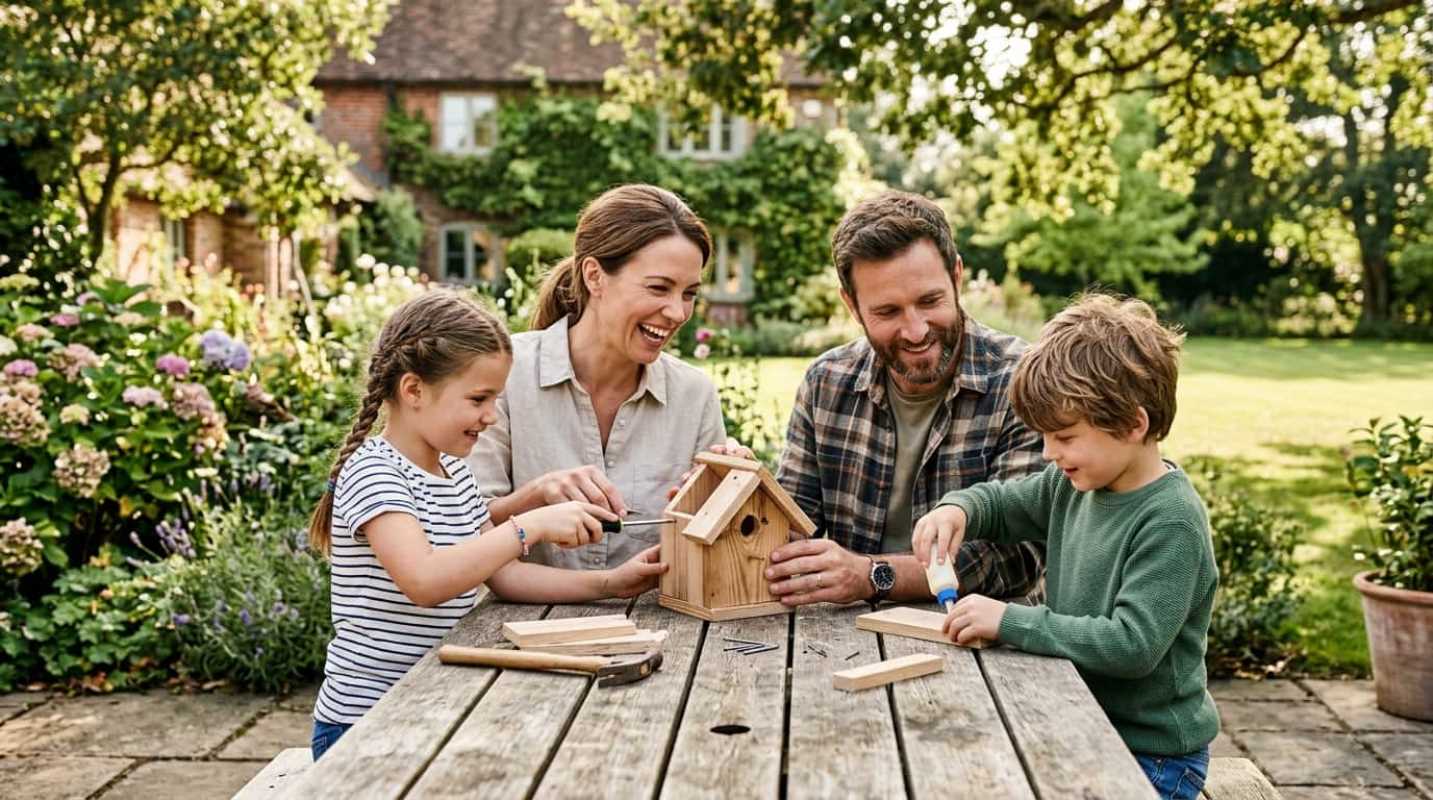
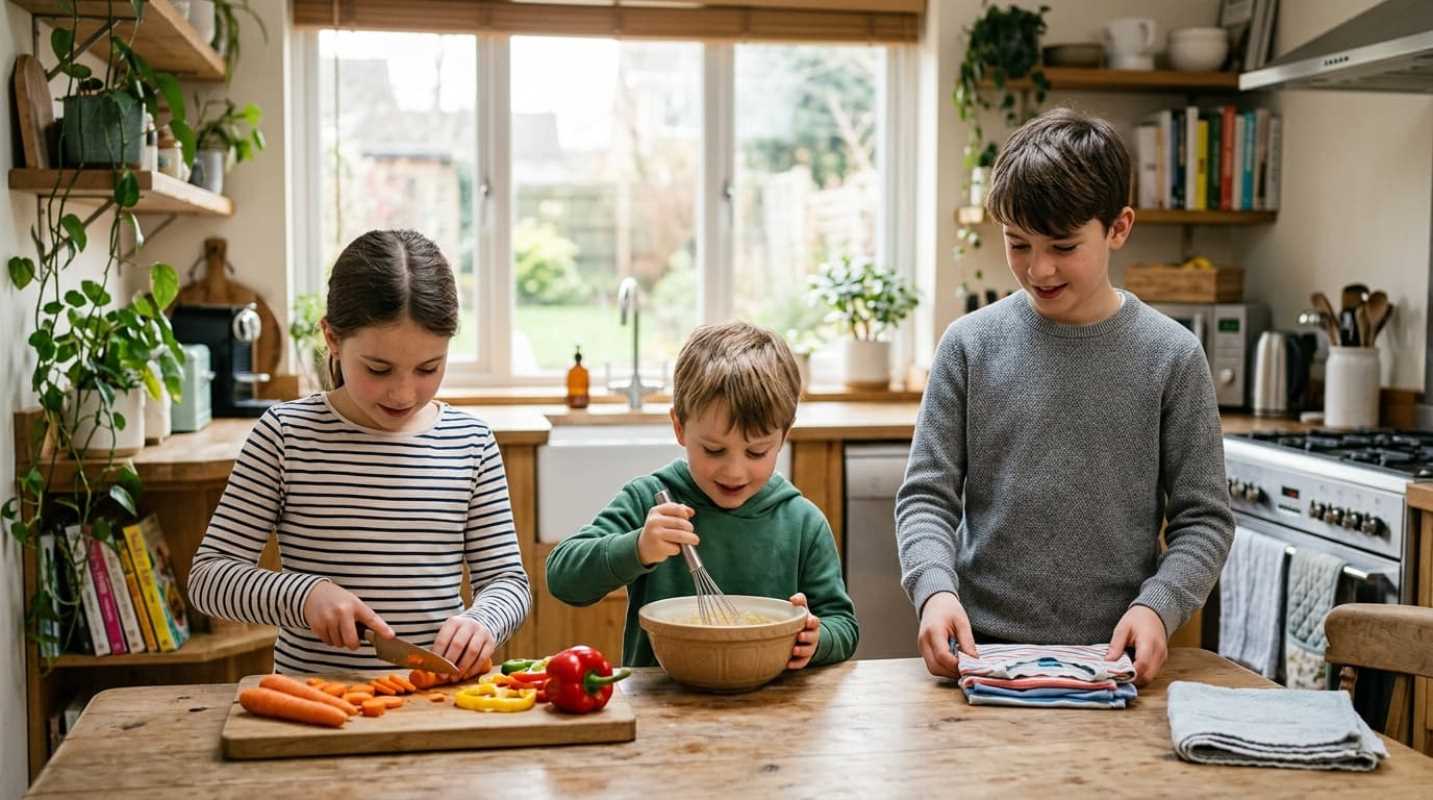
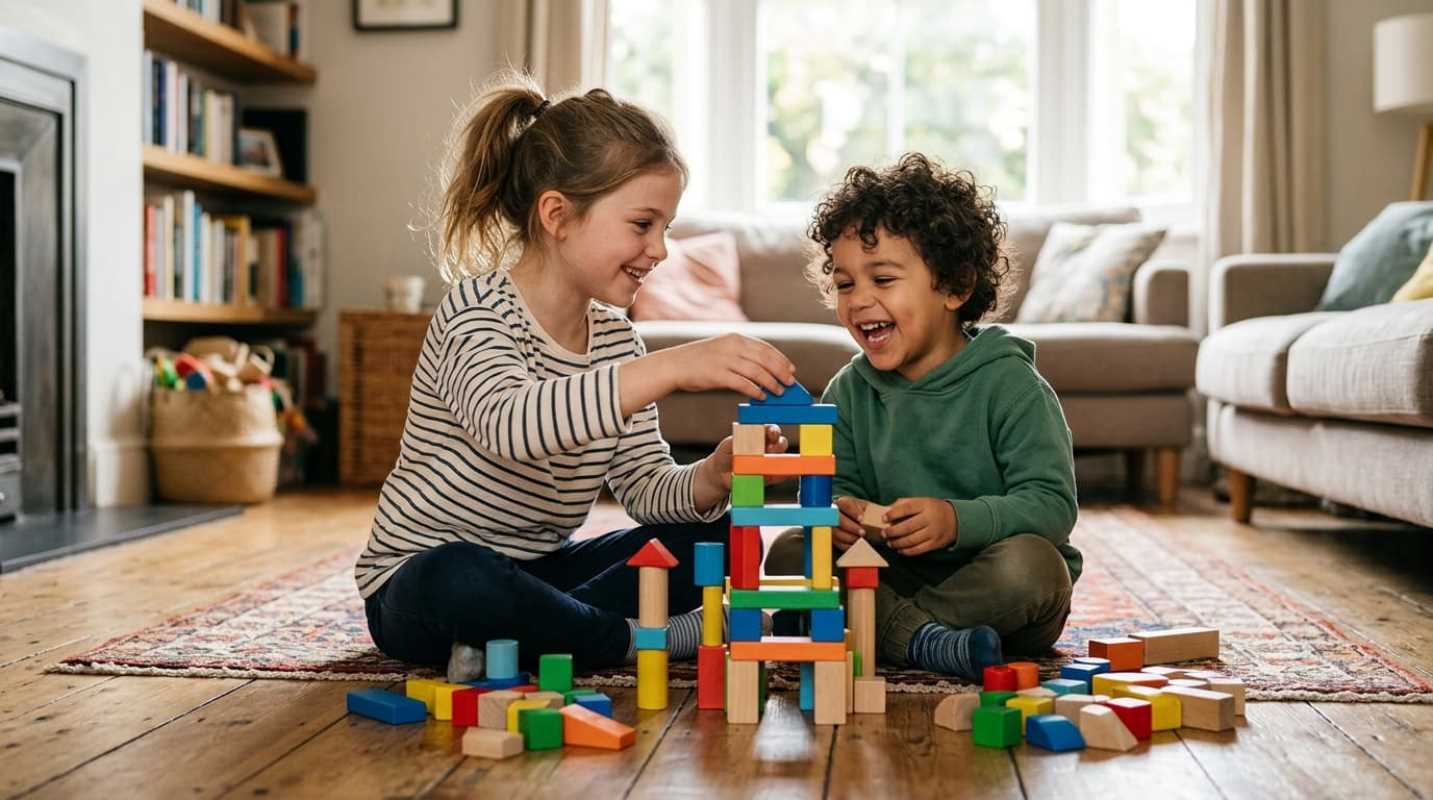
You can flip that dynamic on its head by setting up cooperative missions. When kids work side by side to beat an external obstacle rather than each other, their whole perspective changes. They stop viewing their brother or sister as an obstacle to happiness and start seeing them as a partner.
Try weaving a few collaborative habits into your regular weekly routine
• The timed cleanup sprint: Set a kitchen timer for four minutes and challenge your kids to clear the family room floor together before the alarm rings.
• The living room fortress: Give them three bedsheets, a stack of couch cushions, and some plastic clamps with one shared goal to build a shelter big enough for both of them.
• A joint celebration project: When one child has a dance recital or a soccer tournament, ask the other to take charge of designing a handmade victory poster.
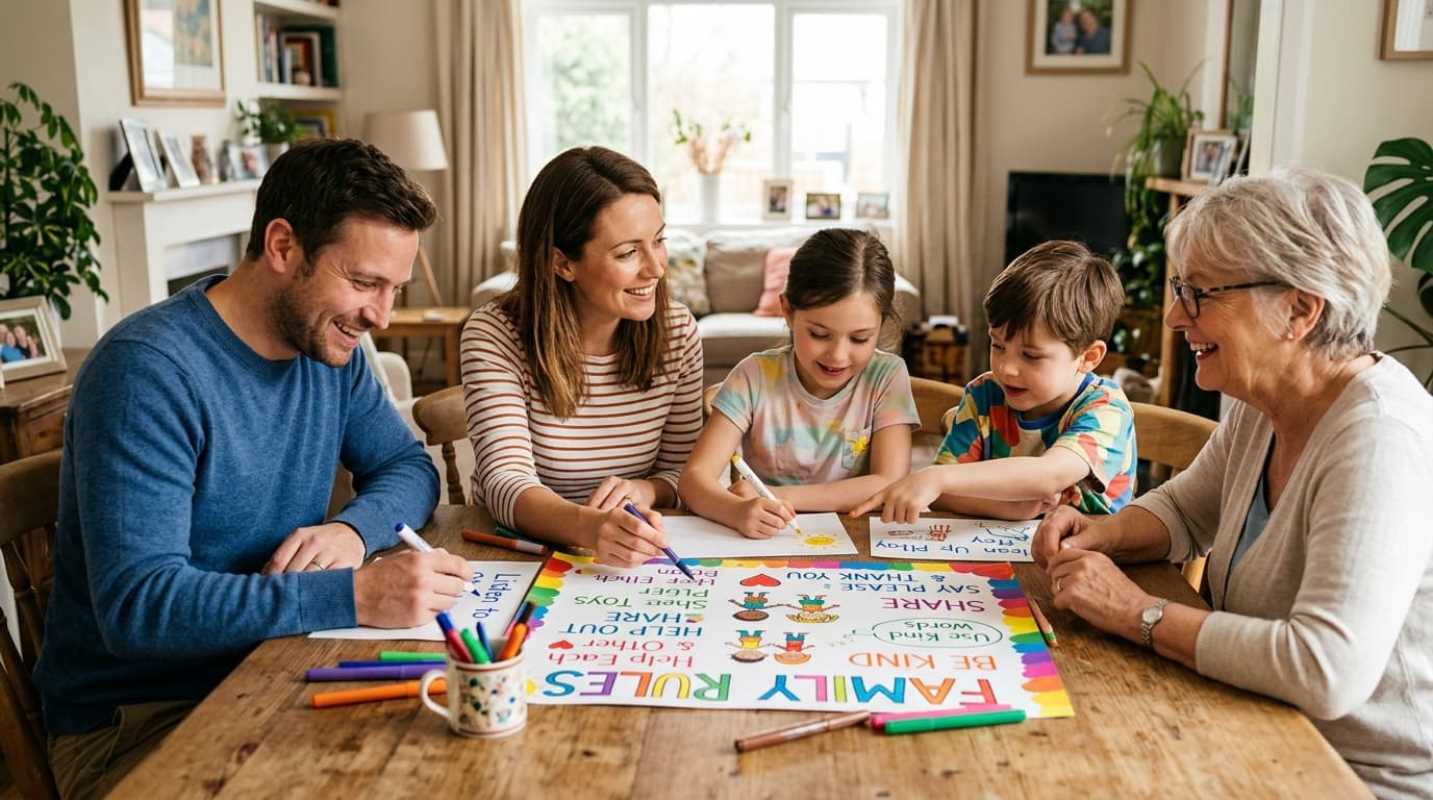
When kids chase a shared win, they build a shared identity. That sense of camaraderie acts like emotional armor against future spats.
Mastering Conflict Resolution Approaches for Kids
When an argument breaks out in the other room, what is your first impulse? If you are like most parents, you walk in and ask, "Who started this?"
Drop that question from your vocabulary. Asking who started a fight invites finger-pointing, tears, and excuses. Even worse, picking a guilty party creates a winner and a loser. The child you label as the victim learns to play helpless, and the child you punish ends up stewing in resentment.
Try sportscasting instead. Step into the room and describe the problem out loud with completely neutral language: "I see two kids pulling on the same toy truck. Max wants to finish his delivery, and Leo wants a turn to push it across the rug. This is a tricky problem. What can we do so both of you feel good about it?"
Research led by Dr. Laurie Kramer at Northeastern University showed that sibling harmony does not happen by accident, but can be actively taught through structured social skills training.¹ When children learn how to read facial expressions, identify when someone needs personal space, and negotiate turns, their fights drop dramatically.
Teach your children to use a cool-down pause. When voices spike or rough play gets overly intense, anyone can call out a freeze word. Both kids take three deep breaths to check in with their bodies before deciding whether to keep playing.
Keep in mind that normal bickering is very different from aggressive bullying. Research from the Sibling Aggression and Abuse Research and Advocacy Initiative at the University of New Hampshire distinguishes constructive conflict from harmful aggression.² Constructive fights have fluid power dynamics where both kids stand up for themselves and find an answer. If one child is stuck in a permanent victim role or faces ongoing humiliation, you must step in immediately with firm boundaries.
Celebrating Individual Strengths Without Comparison
Few habits erode sibling warmth as quickly as the comparison trap. It often creeps into daily parenting completely unnoticed. "Why can't you get dressed as fast as your sister?" sounds innocent enough when you are running late for school, but it instantly frames family life as a race for your approval.
A 2025 study highlighted how easily differential treatment breeds deep-seated rivalry between kids.³ Children have an incredible radar for parental favoritism. When they feel their brother or sister is getting a better deal, their jealousy spikes.
To keep that jealousy from taking root, celebrate each child against their personal baseline rather than their sibling's achievements
• Use direct, standalone observations: Skip saying "Look how nicely your brother cleans his plate" and try "I see you have two green beans left, what is your plan for finishing up?"
• Give each talent its own spotlight: Praise one child's passion for sketching without asking the other why they never pick up a pencil.
• Protect daily one-on-one time: Give each child ten to fifteen minutes of uninterrupted solo time with you every day, following their lead without screens or interruptions from other family members.
When a child feels confident in their individual standing with you, they no longer need to tear down their sibling to earn attention.
Building Rituals and Shared Memories
Think back to your own childhood. What do you remember most about your siblings? It is rarely the calm, quiet afternoons. It is the silly inside jokes, the whisper sessions late at night, and the bizarre games you invented together.
Rituals give kids a sense of shared belonging. You can help nurture these bonds by giving them plenty of unsupervised room to connect without an adult hovering nearby. When parents step back, siblings find their own unique rhythm.
Here are simple rituals that draw siblings closer
• Secret missions: Put your kids in charge of planning a surprise breakfast for a parent or making a goofy holiday card for their grandparents.
• Bedtime story exchanges: Let the older sibling read a short picture book to the younger one right before lights out.
• Alternating family traditions: On movie night, let one sibling pick the film while the other picks the snacks, then switch those jobs the next week.
These small, repeatable moments create a deep bank of shared warmth. When rough days come along, that foundation keeps them anchored.
Investing in the Future of the Sibling Dynamic
Helping your kids build a genuine friendship is a marathon, not a sprint. Some weeks will feel full of sweet, cooperative laughter, while other weeks will feel like a nonstop cycle of bickering.
Patience matters during this long developmental process. A tough afternoon of door-slamming does not mean your kids will grow up disconnected. They are just learning how to exist near another human being who has different needs, moods, and boundaries.
Model the kind of calm, respectful listening you want them to practice with each other. By stepping away from the referee whistle and guiding them toward teamwork, you are giving them a gift that will outlast childhood entirely.
Sources:
1. Northeastern Global News
https://news.northeastern.edu/2024/12/18/sibling-conflict-research/
2. Sibling Aggression and Abuse Research and Advocacy Initiative
https://www.unh.edu/saara/our-work/sibling-rivalry-conflict
3. The Guardian
https://www.theguardian.com/lifeandstyle/2025/jan/16/sibling-rivalry-parents-favour-older-children-and-daughters-study-finds
*This article on Folloquy is for informational and educational purposes only. Readers are encouraged to consult qualified professionals and verify details with official sources before making decisions. This content does not constitute professional advice.*