Have you ever unpacked your bags at a beach resort, walked out to the sand, and found yourself dodging selfie sticks and blaring bluetooth speakers? It is exhausting. Most of us head to the coast to unwind, yet popular shorelines often feel like crowded amusement parks with sand. You end up needing a vacation from your vacation.
Finding genuine quiet has become a real priority. Recent booking numbers show searches for quiet sunny getaways doubled over the past year.¹ Around 68 percent of travelers now actively skip mainstream hotspots in favor of lower-density spots.¹ We are tired of constant digital chatter and packed boardwalks. We want the rhythm of crashing waves, empty horizons, and space to breathe.
True coastal solitude does not mean sacrificing comfort. It is about trading noisy mega-resorts for secluded shorelines, boutique hideaways, and places where nature sets the schedule. If you want an ocean escape where you can actually hear your own thoughts, you need to know where to look.
Hidden Gems Escaping the Tourist Trail
To find true peace, you have to bypass the usual tourist traps. The secret comes down to geographical friction or strict visitor caps. When a destination requires an extra ferry, a canyon hike, or government-mandated guest limits, mass tourism stays away.
Lord Howe Island in Australia sits 600 kilometers off the mainland in the Tasman Sea. The island enforces a strict statutory quota that permits no more than 400 visitors at any single time.² You will find pristine coral reefs, the dramatic peak of Mount Gower, virtually no mobile reception, and barely any cars. It feels like stepping back into an untouched world.
Across the globe in Brazil, the volcanic archipelago of Fernando de Noronha uses a similar approach. The local government charges a daily environmental preservation fee and strictly caps visitor numbers to protect marine sanctuaries.³ Because huge commercial resorts are banned, you stay in charming family-run guesthouses. You can snorkel through turquoise waters alongside spinner dolphins without a crowd in sight.
If you prefer rugged Mediterranean beauty, consider Gjipe Beach on the Albanian Riviera. Massive limestone canyon walls block road access completely. To touch the water, you must complete a 40-minute hike down the canyon or arrive by a small fishing boat. There are no mega-resorts here. You get turquoise Ionian waters, sea caves, and a quiet sweep of pebbles.
Other peaceful coastal havens include
• Koh Kood, Thailand: Thailand’s fourth-largest island skips the chaos of Phuket. With no commercial airport or high-rise resorts, you get quiet bays like Bang Bao, calm mangrove estuaries, and empty white sand.
• Cumberland Island, Georgia: A protected barrier island capped by passenger ferry capacity. You can walk along 17 miles of wild Atlantic dunes while watching feral horses graze beneath moss-draped maritime oaks.
• Castara Bay, Tobago: Perched on Tobago's quiet northern coast, this fishing village features simple timber cottages located on rainforest hillsides overlooking calm golden water.
Embracing Unplugged Relaxation and Nature
What do you actually do when you arrive at a quiet shoreline? The temptation is to fill your calendar with boat excursions, restaurant reservations, and shopping trips. Resist that urge.
Try shaping your day around natural light and simple movement instead. Wake up early for sunrise yoga right at the water line. The ocean air clears mental fog faster than any morning scroll through social media. Pack a light lunch and take a coastal hike along cliffside trails. When you swim, head into protected marine reserves where you can drift over coral formations and watch sea life undisturbed.
Trading glowing phone screens for the natural soundscape of the ocean produces an instant calming effect. Ocean waves deliver what acoustics researchers call pink noise, a rhythmic frequency that lowers heart rates and settles the nervous system. When you put your devices into airplane mode and leave them in your room, the constant buzz of anxiety disappears. You start noticing the warmth of the sun, the scent of salt spray, and the cool shade of coastal trees.
Timing Your Escape for Maximum Quiet
Where you travel matters, but when you travel matters just as much. Even a relatively calm coastline gets busy during school holidays and midsummer weekends.
Strategic travelers live by the shoulder season. Visiting during the shoulder months gives you two massive advantages: thinner crowds and dramatic cost savings. Lodging rates routinely fall by 20 to 40 percent compared to peak weeks. International airfares often drop by 20 to 33 percent.
To plan your trip effectively, target these specific seasonal windows
• The Mediterranean: Visit between late September and late October, or throughout May. The sea remains warm enough for swimming, but the summer crowds have cleared out.
• The Caribbean and Southeast Asia: Plan your stay for early November, right before holiday travel starts, or head out in late April before rainy seasons arrive.
• The Midweek Flip: If you are visiting a domestic beach, arrive on Tuesday morning and head home by Thursday afternoon. Day-trippers pack shorelines on weekends, but midweek mornings are delightfully empty.
• The Dawn Patrol: Set your alarm for 7:30 AM. Arriving early lets you beat midday heat and crowds, and gives you a front-row seat for morning wildlife like sea turtles and feeding seabirds.
Packing for Peace and the Mindset of a Quiet Traveler
Traveling off the beaten path requires a shift in packing habits and mental preparation. Remote barrier islands and eco-villages do not have convenience stores on every corner, so self-reliance matters.
Start with gear that supports outdoor comfort and low-tech living
• Analog Entertainment: Pack a couple of physical books, a sketchpad, or a journal instead of loading up your tablet with movies.
• Reef-Safe Sun Protection: Secluded destinations rely on fragile marine environments, so pack mineral sunscreen, wide-brim sun hats, and UV rash guards.
• Waterproof Dry Bags: Coastal hikes down canyons or boat transfers to remote bays mean your gear needs need protection from spray and tides.
• Comfortable Trail Runners: The prettiest secluded beaches often require walking down dirt tracks, rocky paths, or dunes.
The most important preparation is psychological. When you travel to places without high-speed internet or polished room service, things move at a slower pace. The ferry might be delayed by an ocean swell. The village cafe might run out of fresh fruit. Embrace those hiccups as part of the slow-travel experience. Let go of rigid schedules and let the coastal tide set your daily pace.
Reclaiming Your Rhythm
Returning from a typical, rushed vacation leaves you exhausted. You spent days standing in lines, fighting for poolside lounge chairs, and checking work emails by the pool.
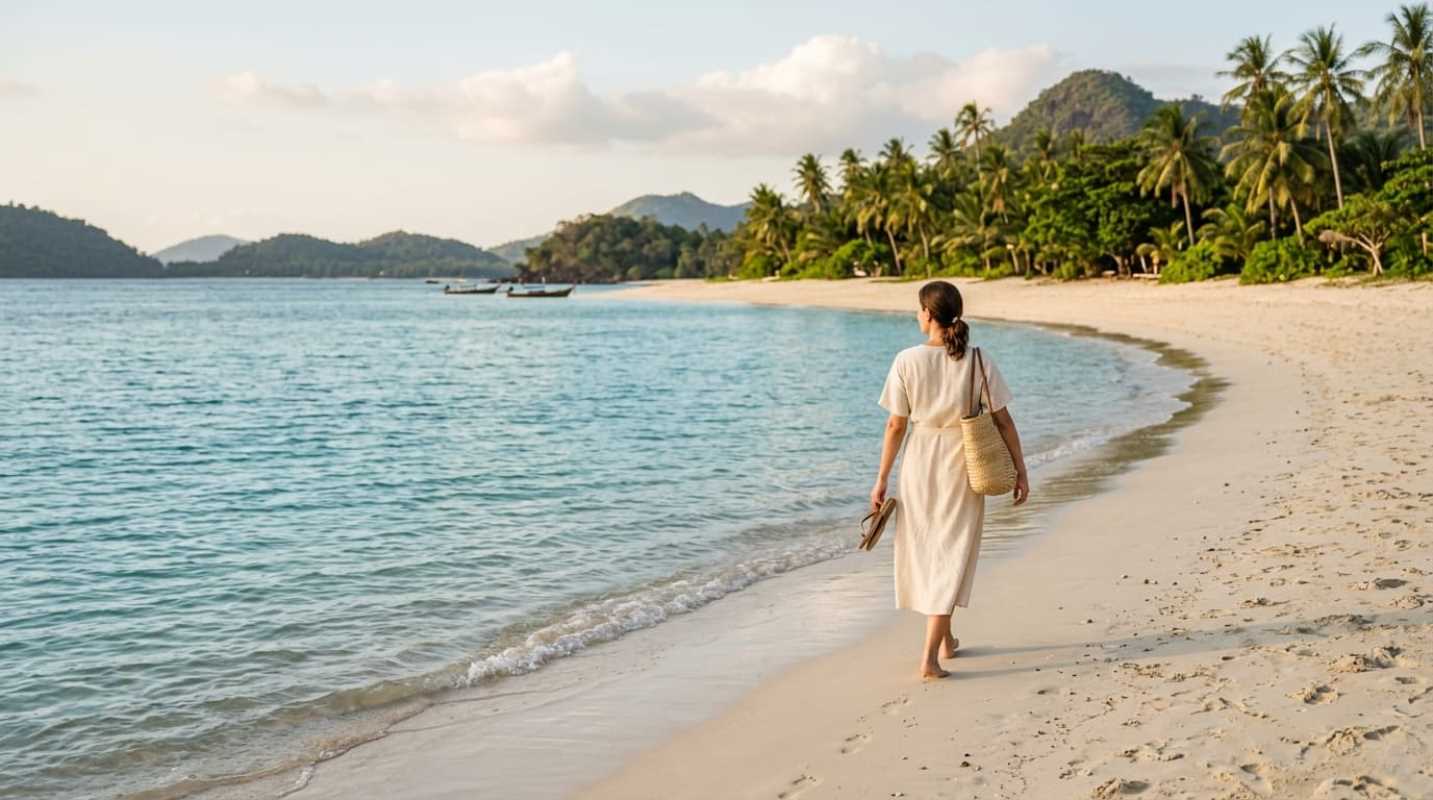
Choosing a quiet beach changes the outcome entirely. When you spend a week listening to waves, walking empty shorelines, and disconnecting from everyday noise, your mind resets. You sleep more deeply. Your attention span expands. You come home grounded and rested.
Life in 2026 moves fast, and demands on your attention are relentless. Permit yourself to step off the treadmill. Find a remote stretch of sand, leave your phone behind, and let the quiet wash over you.
Sources:
1. kadence.com
https://kadence.com/en-us/knowledge/travel-trends-missed-the-mark-overtourism-is-the-real-crisis/
2. outlooktraveller.com
https://www.outlooktraveller.com/experiences/places-of-interest/how-australias-lord-howe-island-is-protecting-its-pristine-ecosystem-from-overtourism
3. planetaexo.com
https://planetaexo.com/blog/10-facts-about-fernando-de-noronha-island