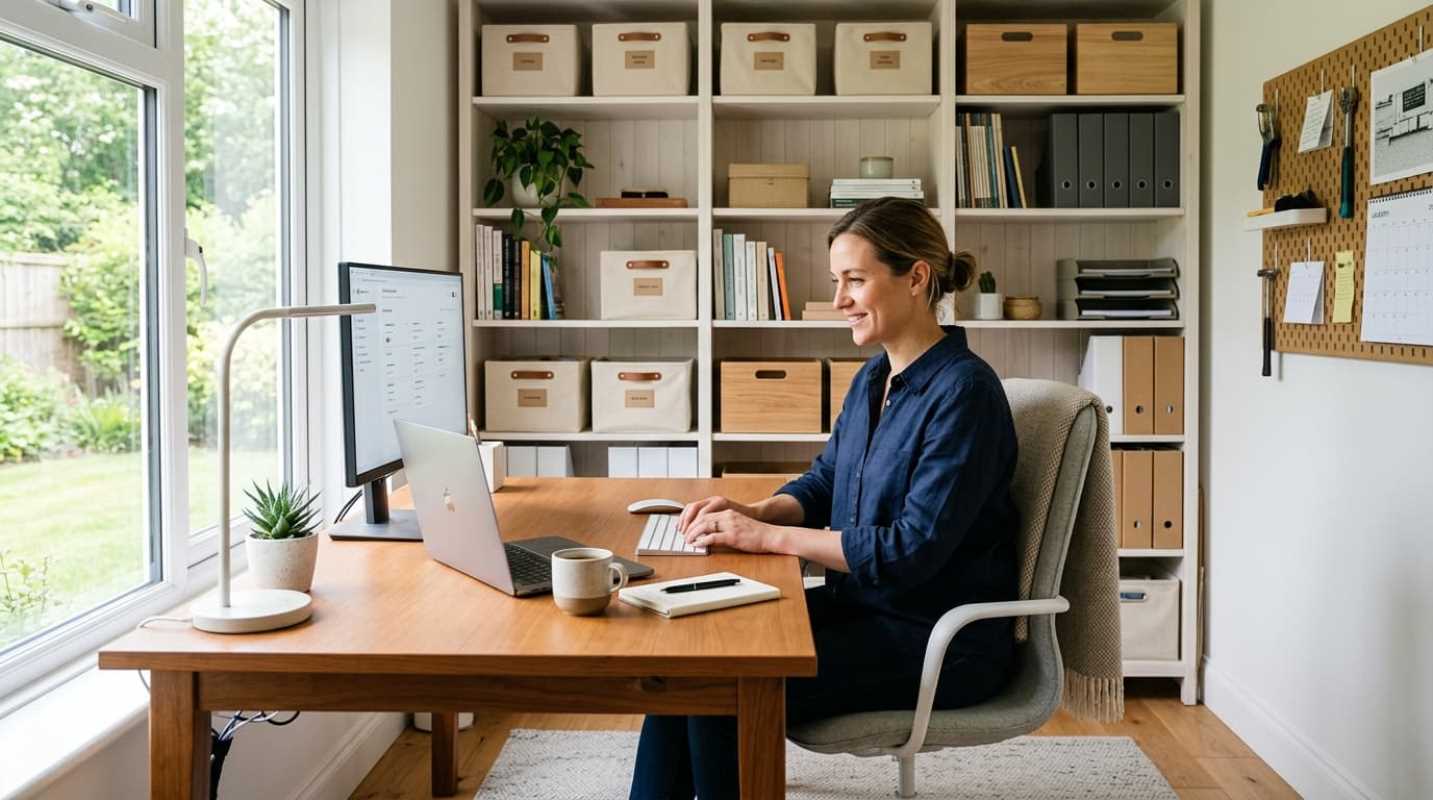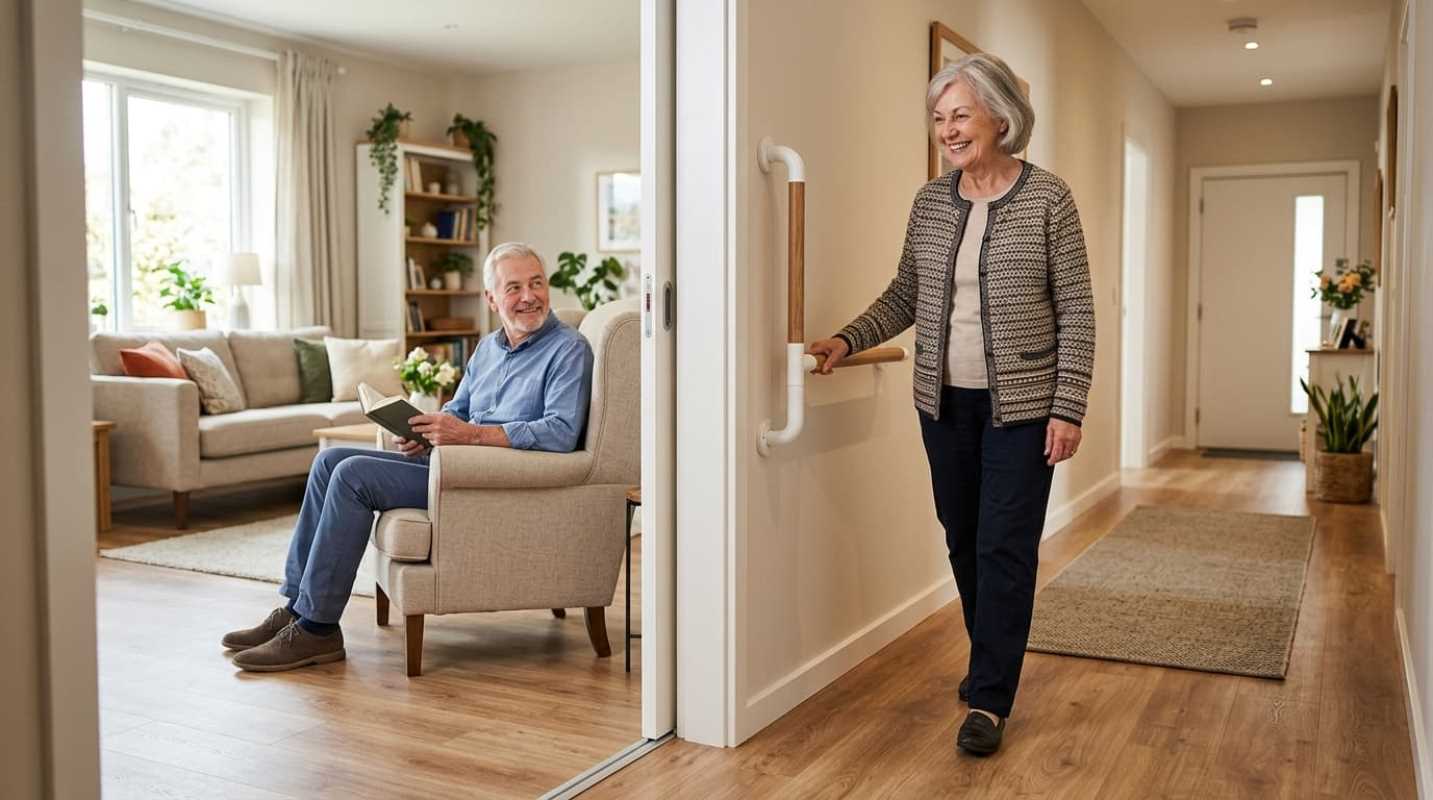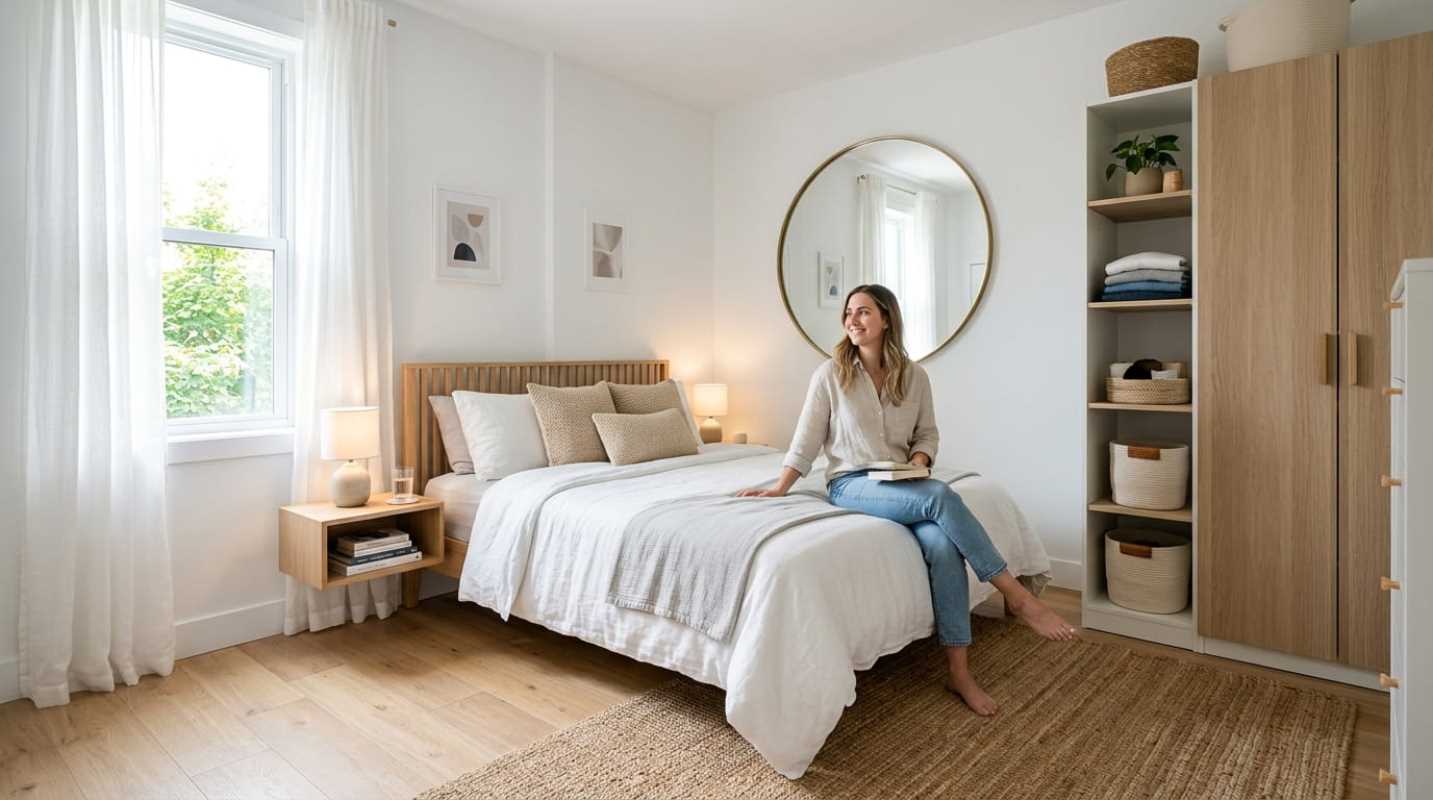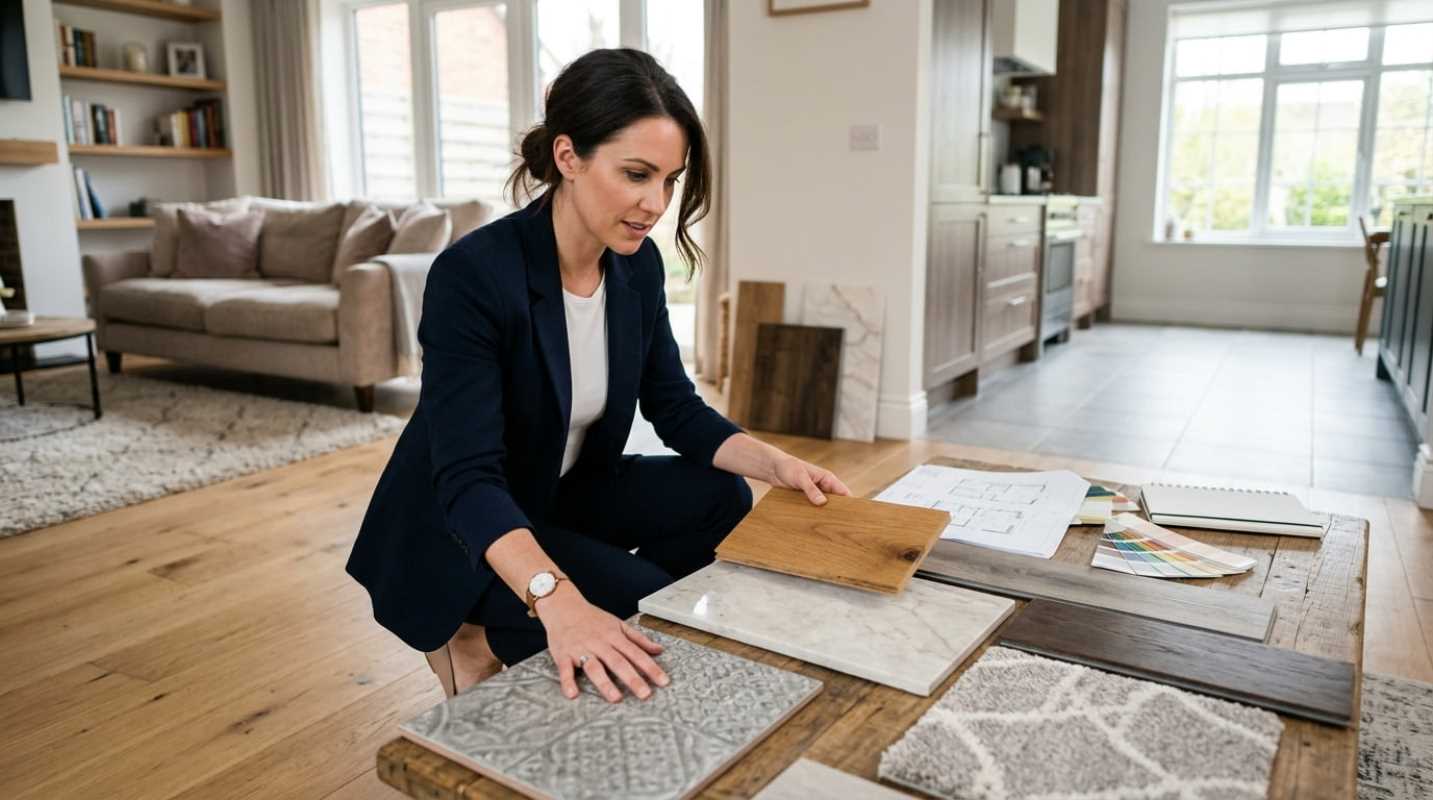
Have you ever walked through your front door after a long day, tripped over a stray shoe, and felt your shoulders climb straight up to your ears? Most of us have been there. We tend to think stress comes exclusively from work deadlines, financial goals, or personal obligations. In reality, a huge portion of our daily irritation comes from tiny friction points inside our living spaces.
Think about your daily routine. You search for keys that vanished into thin air. You fight with a sticky cabinet drawer while trying to make dinner. You hunt for an outlet behind a heavy nightstand just to charge your phone. These moments seem insignificant on their own, but they quietly drain your energy.
A recent study found that while 83% of people believe an organized home sets the tone for their year, traditional deep cleans and hyper-aesthetic organization systems fall apart within just 38 days.¹ When setups require too much maintenance, real life quickly takes over.
Your home should be a tool that serves you, not an extra chore that adds to your mental load. When you make a few intentional physical upgrades, you eliminate daily resistance and get your time back.
Mastering Your Environment with Smart Home Automation Shortcuts
Smart technology used to feel like an expensive novelty, like talking to your microwave or installing a toaster with Wi-Fi. Things are different now. Modern automation focuses on quiet, practical shortcuts that run in the background without needing your constant attention.
You do not need to rewire your entire electrical panel to build a home that responds to your schedule. A few inexpensive gadgets and simple routines will handle the repetitive tasks you waste energy on every single day.
• The away routine: You can set up a simple geofencing trigger on your phone so your home locks down the second you drive away. The smart deadbolt engages, your thermostat shifts into eco mode, and your interior lights shut down automatically.
• Hands-free utility lighting: Fumbling for light switches with an armload of laundry or heavy grocery bags is an unnecessary headache. Placing basic motion sensors in the pantry, garage, stairwell, and laundry room gives you instant illumination the second you step inside.
• Automated floor upkeep: Vacuuming and mopping eat up hours of your weekend. Autonomous cleaning docks that vacuum, wash their own mop pads, and empty their dustbins handle the daily grit, so you never have to think about sweeping under the dining table.²
• A gentle wind-down scene: Instead of walking from room to room, checking switches and deadbolts before bed, program a single night routine. One quick tap on your phone or a voice prompt lowers the thermostat to an ideal sleeping temperature, arms the front door lock, and dims the bedroom lamps.
Workflow-Focused Layout Tweaks in the Kitchen and Laundry
Most home organizing advice tells you to buy dozens of matching plastic containers and decant every box of cereal into clear acrylic bins. That looks great for social media photos, but nobody wants to spend Sunday afternoon pouring dry beans into jars.
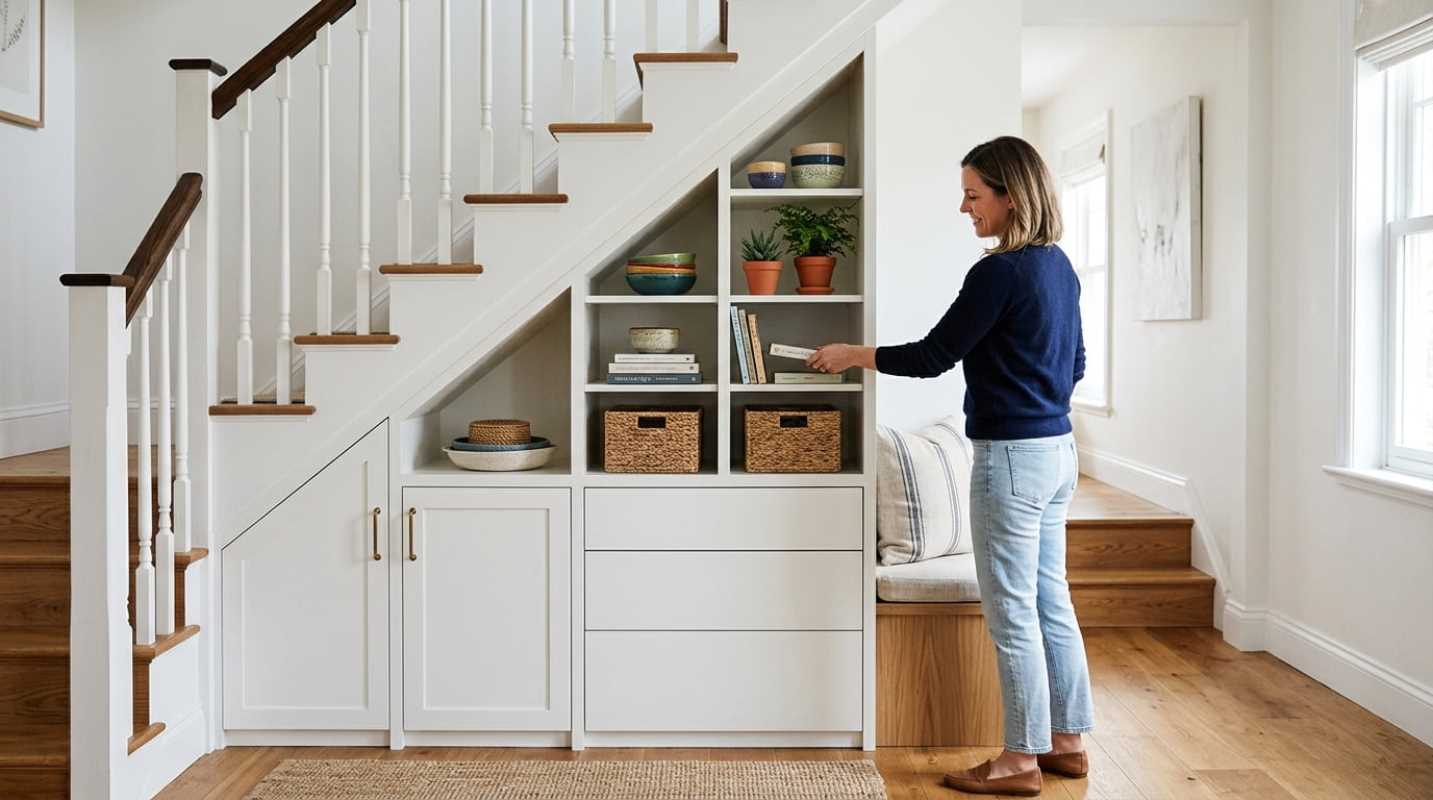
The secret to lasting organization is matching your storage directly to your movement. Professional organizers call this the point-of-performance rule. You keep the items you need right at the exact spot where you use them, rather than sorting things by broad, abstract categories.
• Build dedicated activity zones: If you drink coffee every morning, keep the beans, grinder, filters, mugs, and spoons in the cabinet directly above the machine. You shouldn't have to walk back and forth across the kitchen three times just to brew a single cup.
• Use deep drop bins instead of decanting: Ditch the rigid containers that require unboxing. Instead, use wide, labeled pull-out bins in your pantry for categories like snacks, baking supplies, or breakfast items. When you unpack groceries, simply drop the boxes straight into the bin.
• Streamline laundry steps: Mount open shelving right above the washer and dryer for your detergent, stain removers, and wool dryer balls. If you have to dig into a dark cabinet or walk across the hallway to grab detergent, the chore takes twice the effort it should.
• Run a 10-minute nightly reset: Before going to sleep, clear the primary kitchen island, load the dishwasher, and toss wandering clutter into a catch-all bin. Waking up to a clear counter completely changes how your morning feels.
Low-Effort Upgrades That Save Time Daily
Upgrades do not need to be expensive or time-consuming to deliver a huge payoff. Swapping out a handful of frustrating fixtures can instantly remove daily annoyances you have grown used to tolerating.
Start with the entryway. The average adult spends between 8 and 15 minutes every single day searching for lost items like car keys, wallets, and work badges.³ That adds up to an entire workweek lost each year. You can fix this problem in under an hour by building a dedicated drop zone right by the primary door. Mount a sturdy row of wall hooks for bags and coats, set up a divided catch-all tray for keys and wallets, and plug in a multi-device charging station. When every important item has an obvious landing spot, morning scrambles disappear.
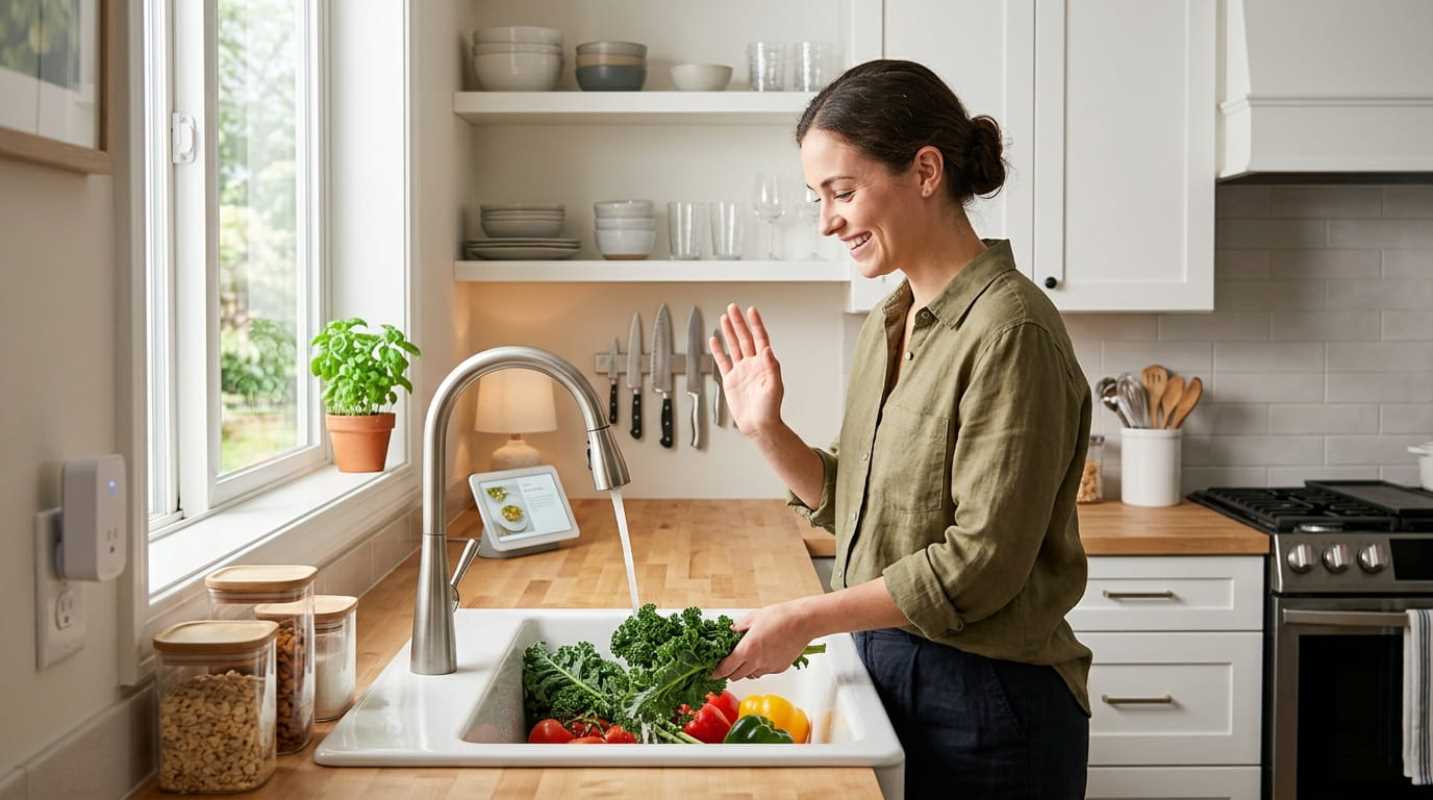
The same principle applies to everyday hardware. Swapping a standard kitchen faucet for a touchless or pull-down model keeps sticky hands off handles when you are preparing dinner. Putting a magnetic strip on the wall for kitchen knives or bathroom grooming tools keeps surfaces clear and accessible. If you have a sticky drawer that catches every time you pull it, spend ten minutes rubbing wax on the runner or installing soft-close glides. Fixing minor physical friction transforms how your space feels.
The Mental ROI of a Streamlined Home
Every time you search for a misplaced object, handle a cluttered counter, or manually adjust four different lamps, your brain expends tiny amounts of decision-making energy. Psychologists call this cognitive load. By mid-afternoon, that background friction accumulates, leaving you drained before you even finish your day.
Streamlining your physical space is really about reclaiming your mental bandwidth. When your physical surroundings work smoothly, your brain does not have to spend energy managing basic domestic logistics. You stop wondering if you locked the back door because the automation handles it. You stop hunting for the mail opener because it lives in the entry tray where you opened the letters.
Those minutes matter. Saving twenty minutes of wasted motion every day gives you back more than two full hours of free time every week. You can use that time to read, exercise, relax with your family, or simply sit on the couch without feeling guilty about an untidy room.
Do not try to overhaul your entire house in a single weekend. Pick one problem area that consistently bothers you. Set up an entryway tray on Saturday, or plug in a smart motion sensor in your dark hallway on Sunday. Start with that single change, enjoy the relief it brings, and build your momentum from there.
Sources:
1. Is a Clean Home the Key to a Successful 2025?
https://talkerresearch.com/is-a-clean-home-the-key-to-a-successful-2025/
2. How AI Home Robots Are Changing Domestic Life
https://capellasolutions.com/blog/how-ai-homerobots-are-changing-domestic-life
3. Decluttering Habits and Lost Items Statistics
https://www.atticstorage.co.uk/blog/decluttering-habits-and-lost-items-statistics/