Ever walk into a house and immediately feel like something is off, even if the walls look great and the furniture is stylish? Nine times out of ten, the floor is the culprit. Your flooring is the visual anchor of every single room. It is also the only surface in your house that you physically interact with all day long.
Choosing the right material comes down to balancing daily practicality, aesthetic taste, and long-term value. A floor that looks stunning in a showroom catalog can turn into a nightmare if you put it in the wrong environment. Mud, dog paws, splashing bathtubs, and dropped cast-iron skillets will test your surfaces quickly.
Before you spend a dime or fall in love with a sample plank, take an honest assessment of your home's foot traffic. How do you actually live in your space? Are you hosting dinner parties every weekend, or chasing two toddlers and a golden retriever through the halls?
Getting this choice right does not require a design degree. It simply takes a clear look at what each room demands. When you break your home down zone by zone, the right material choices become obvious.
High-Traffic Zones and Balancing Durability with Style
Your entryway, mudroom, and central hallways take the brunt of daily life. These zones deal with gritty shoe soles, melting slush, dropped keys, and racing pets. If you pick a soft or easily scratched surface here, you will see wear patterns in just a couple of years.
For these spaces, you need hard materials that shrug off abrasion without losing their visual appeal.
• Large-Format Porcelain Tile: Porcelain has an absorption rate under 0.5 percent, which makes it virtually impervious to water, mud, and street salt. Look for a PEI rating of IV or V for heavy residential foot traffic.
• Rigid Core Luxury Vinyl Plank (SPC): Stone Plastic Composite vinyl features a limestone-based core that makes it practically dent-proof. For busy entryways, make sure you choose a product with at least a 20-mil wear layer to stop pet claw scratches.
• Textured Slate: Natural stone provides incredible grip and hides dust well, though it does require sealing every year or two to block stains.
To keep these high-wear zones looking fresh, place heavy-duty walk-off mats right outside and inside exterior doors. Catching grit at the door prevents it from acting like sandpaper across your floors.
Kitchens and Bathrooms Prioritizing Moisture Resistance
Water is the natural enemy of most flooring. Bathrooms experience soaking bathmats, steam, and standing puddles. Kitchens bring their own unique chaos: boiling water spills, runaway ice cubes, grease splatters, and heavy dropped pots.
In full bathrooms, porcelain tile remains the undisputed champion. It does not swell, warp, or support mold growth when dampness lingers. Pair it with an epoxy or high-performance pre-mixed grout, and you will rarely have to worry about water damage.
Kitchens give you a little more flexibility. Although tile is a classic choice, standing on cold, hard ceramic for hours while cooking can wear out your back and knees. That is why rigid core vinyl, either SPC or Wood Plastic Composite (WPC), has become such a massive favorite for modern kitchens.³
Rigid vinyl gives you 100 percent waterproof protection against dishwasher leaks while providing a softer feel underfoot.³ If you drop a glass mug on vinyl, the mug might actually survive. Drop it on porcelain tile, and you are sweeping up shards.
Whatever you do, avoid traditional solid hardwood in full bathrooms. Trapped steam and subfloor moisture will eventually cup the boards, ruin the finish, and rot the wood from the bottom up.
Living Rooms and Bedrooms Where Comfort Matters
Once you step out of the utility zones, the conversation shifts from moisture defense to acoustic comfort, warmth, and resale appeal.
Main living areas deserve materials that welcome you to sit down, kick off your shoes, and relax. Engineered hardwood and solid hardwood are timeless favorites here. Real wood adds warmth that synthetic products still struggle to fully duplicate.
According to data from the National Association of Realtors, installing new wood flooring yields an estimated 118 percent cost recovery at resale.¹ Refinishing existing hardwoods performs even better, delivering up to a 147 percent return.¹ Buyers appreciate real wood, and over half of house hunters are willing to pay extra for homes with hardwood floors.²
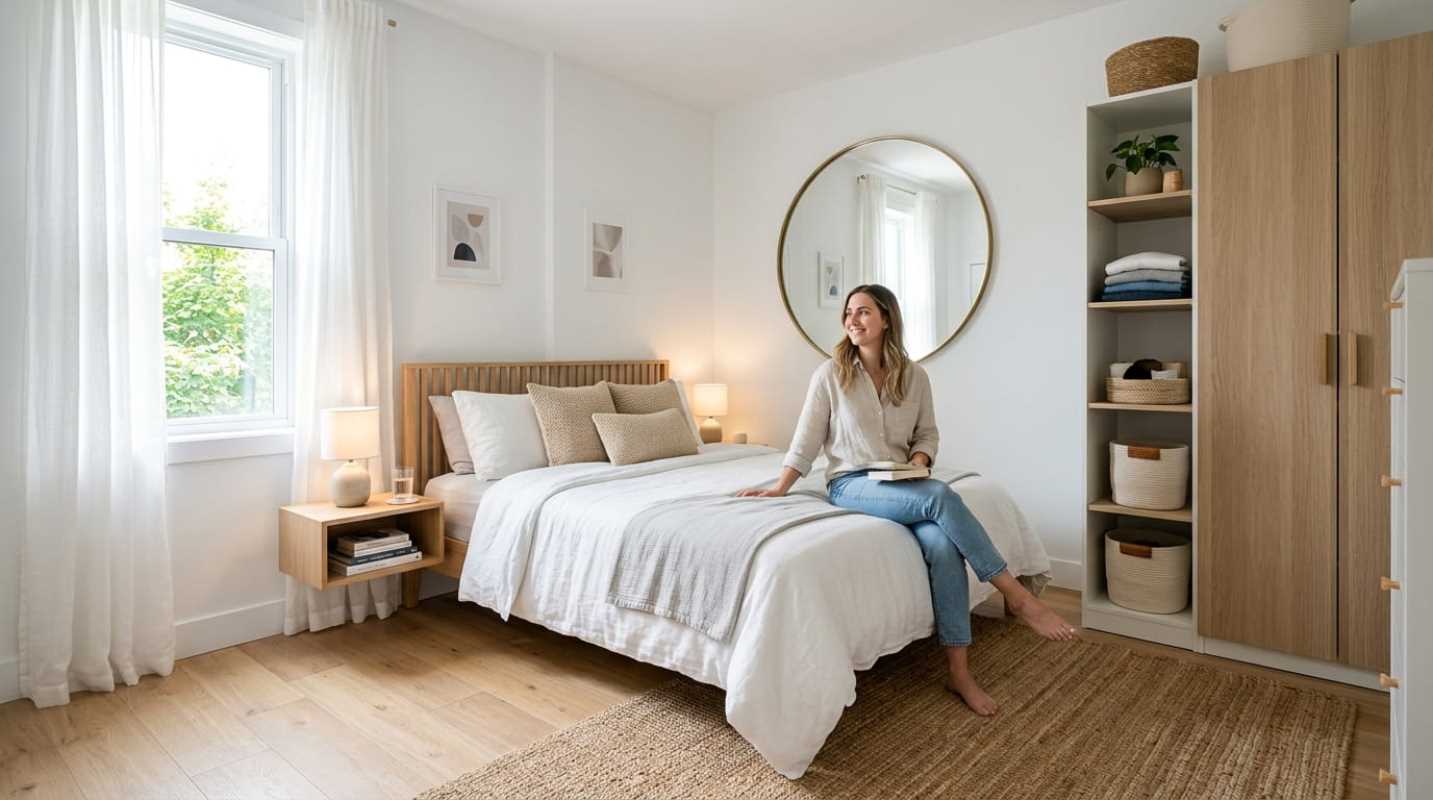
Bedrooms allow you to prioritize soft textures because foot traffic is minimal.
• Hardwood Layered With Wool Rugs: This gives you the best of both worlds. You get the beauty and long-term resale value of wood, paired with soft landing spots right beside the bed.
• Plush Wall-to-Wall Carpet: Carpet provides quiet acoustics and thermal insulation, making cold winter mornings much cozier.
• WPC Vinyl Plank: If you have pets that sleep in your room, WPC vinyl plank provides quiet steps, waterproof peace of mind, and a softer feel than colder stone-composite floors.³
If anyone in your household suffers from seasonal allergies or asthma, skip wall-to-wall carpeting in bedrooms. Hard surfaces paired with washable accent rugs keep dust mites and dander from settling into deep carpet fibers.
Matching material specs to specific spaces saves you from costly installation mistakes down the road.
Keep the classic rule of three in mind when planning your layout. Interior designers generally advise using no more than three distinct flooring materials across a single main living floor. Running the same surface through your kitchen, hallways, and living room makes your entire home feel larger and more cohesive.
Maintenance Requirements and Finding Your Match
Every flooring material comes with a maintenance contract. You have to decide whether you want to sign it. Be honest with yourself about how much time you want to spend cleaning.
Solid hardwood requires a stable indoor environment. You need to keep your home humidity between 35 and 55 percent year-round to stop boards from shrinking in winter and expanding in humid summers. You also have to clean wood with specialized, neutral cleaners and avoid wet steam mops at all costs.
Tile requires little day-to-day thought, but grout lines collect dirt over time. You will need to clean grout lines periodically and apply fresh sealer every couple of years.
Rigid vinyl planks require almost zero maintenance. You sweep up dirt, wipe down spills with a damp cloth, and move on with your day. If you want a floor that lets you live your life without worrying about accidental spills, vinyl or laminate rated AC4 or higher is tough to beat.
Making Your Final Investment with Confidence
Flooring is not an upgrade you want to redo every few years. Tearing up old floors is messy, disruptive, and expensive.
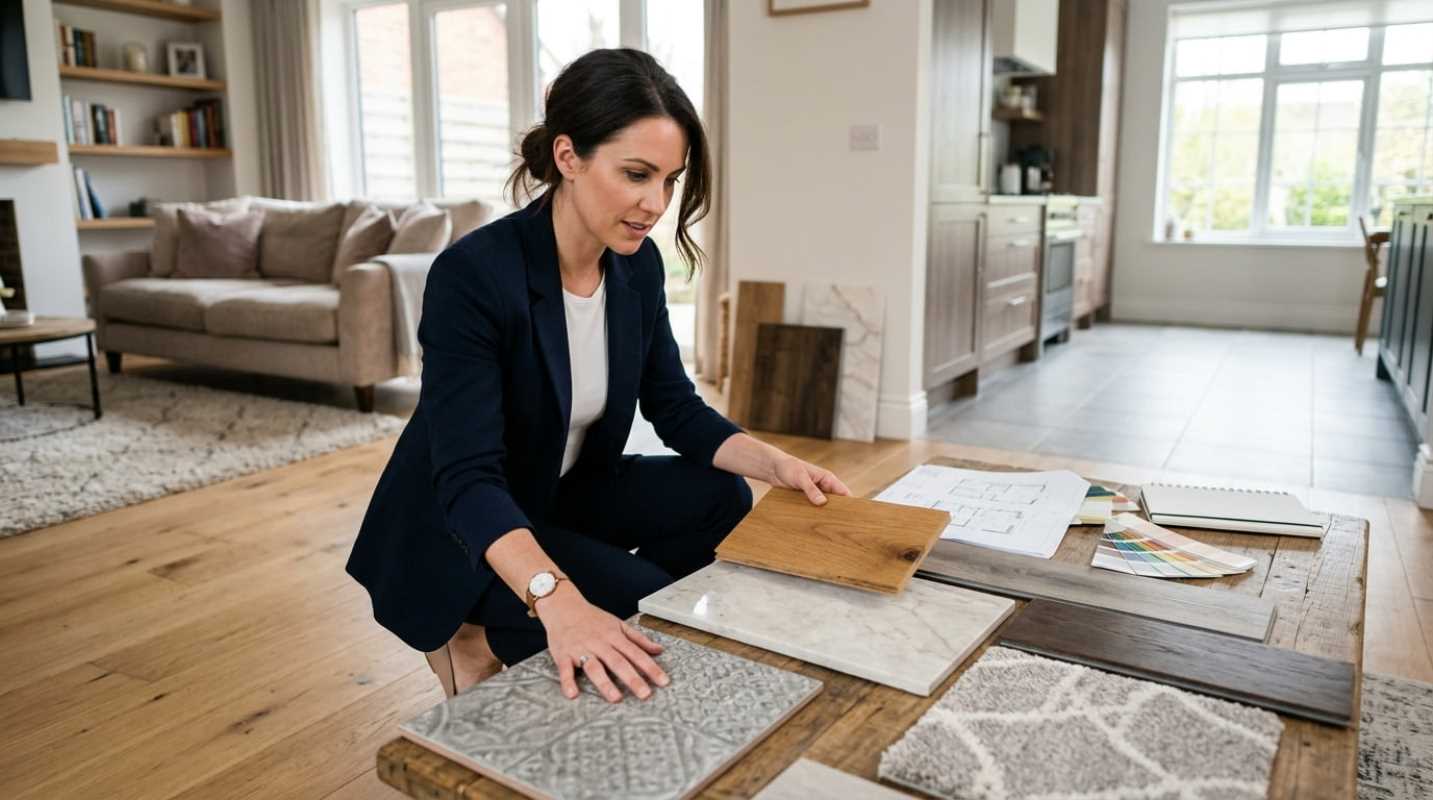
Take your time during the planning phase. Bring large material samples home and leave them on the floor for a few days. Look at them in morning light, under warm evening lamps, and next to your baseboards. Walk on them barefoot.
Focus on moisture resistance in the bath and kitchen, dent defense in your entryways, and warmth in your living spaces. When you match the technical strengths of each material to the realities of your daily routine, you will end up with floors that look incredible and hold up for years.
Sources:
1. Best Flooring for Home Resale Value
https://www.nar.realtor/press-releases/in-the-news/best-flooring-for-home-resale-value-usa-today
2. Do Hardwood Floors Increase Home Value?
https://www.opendoor.com/articles/do-hardwood-floors-increase-home-value
3. SPC vs WPC Vinyl Flooring
https://expertflooring.net/spc-vs-wpc-vinyl-flooring/