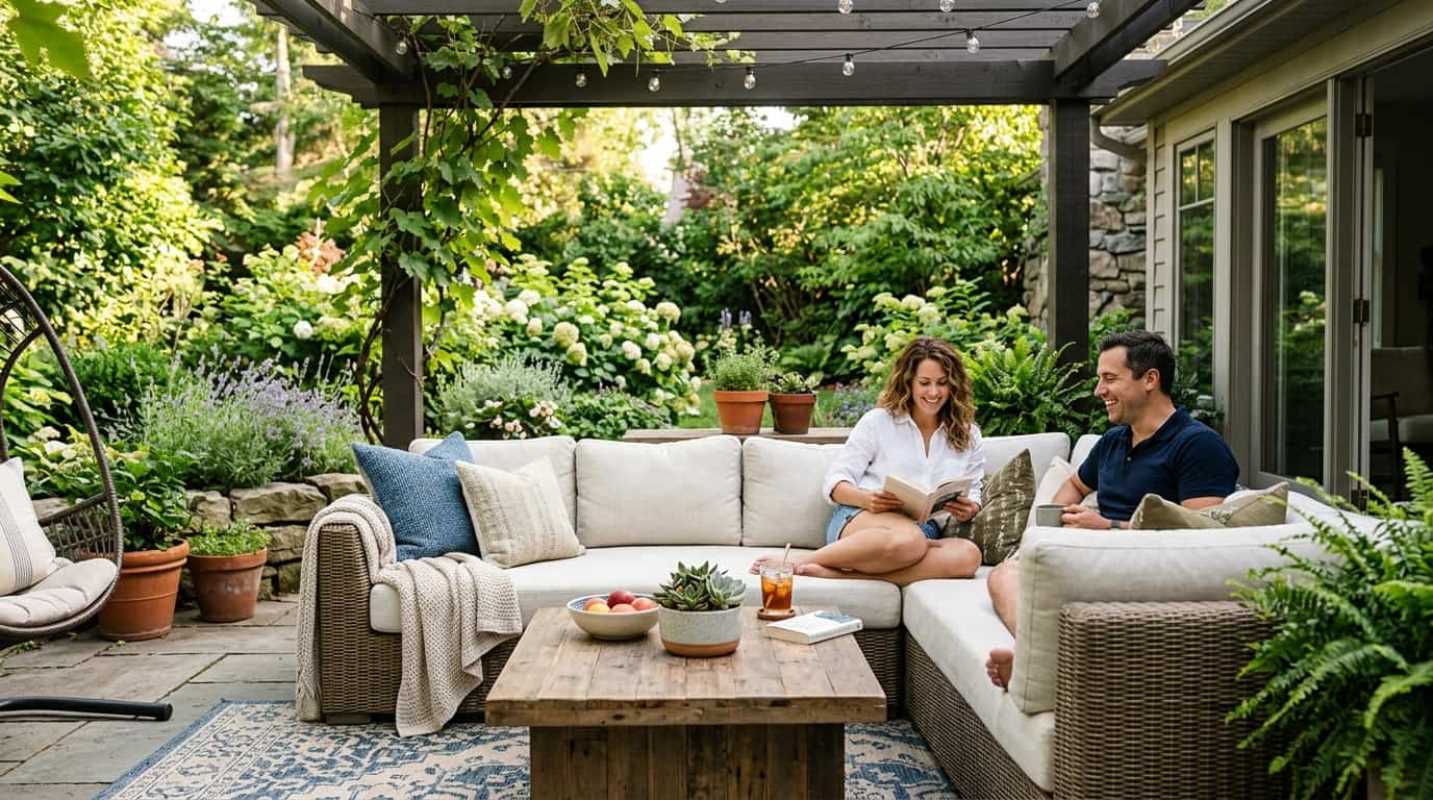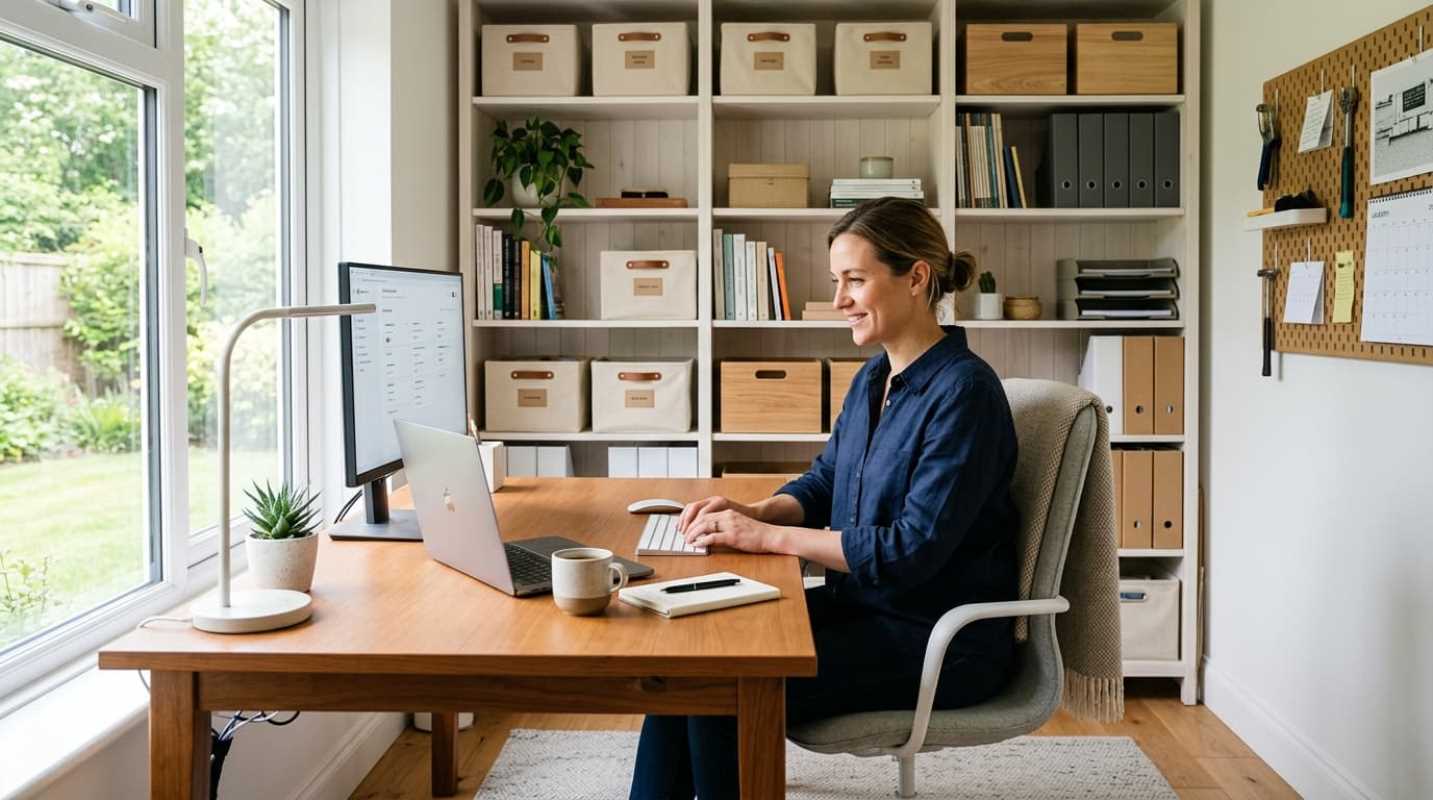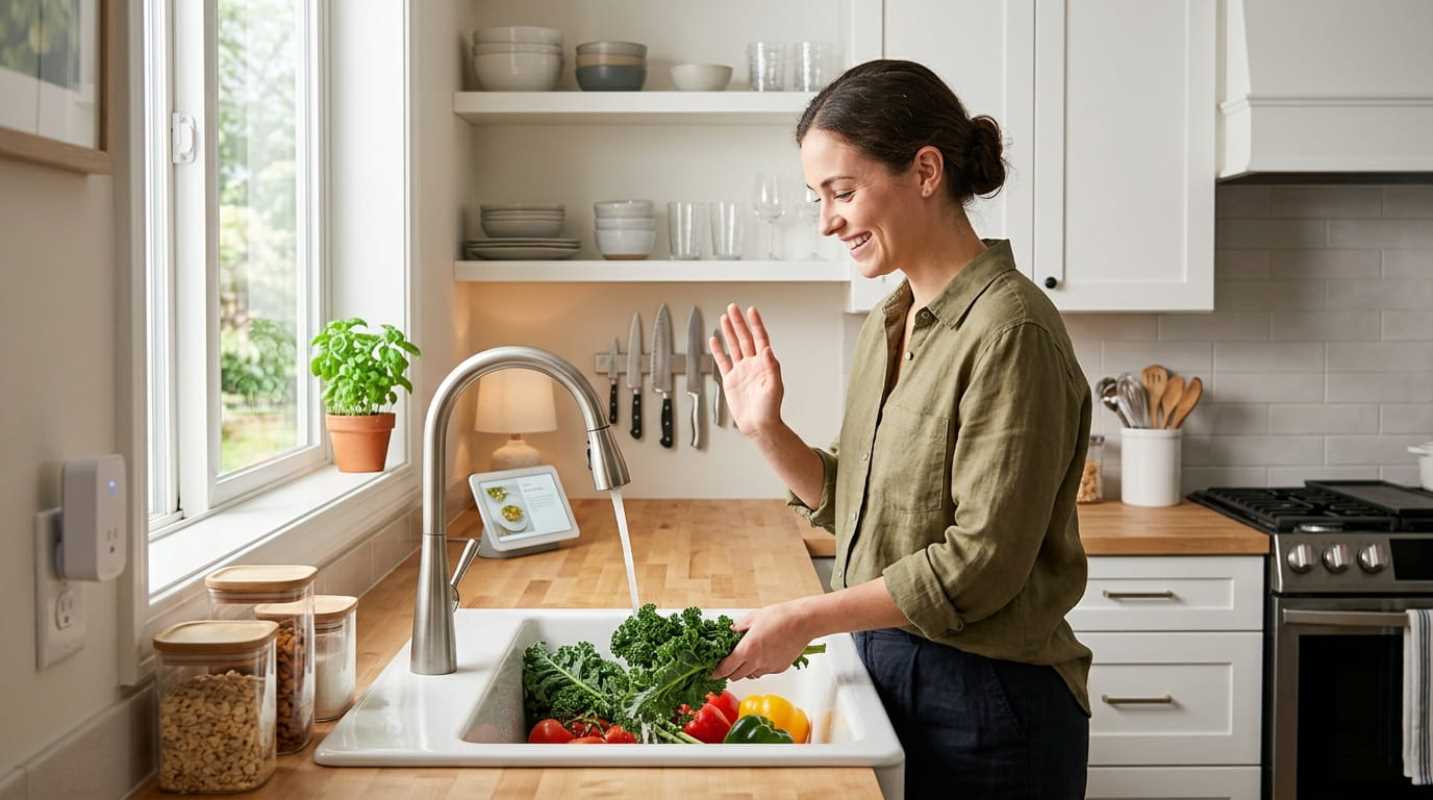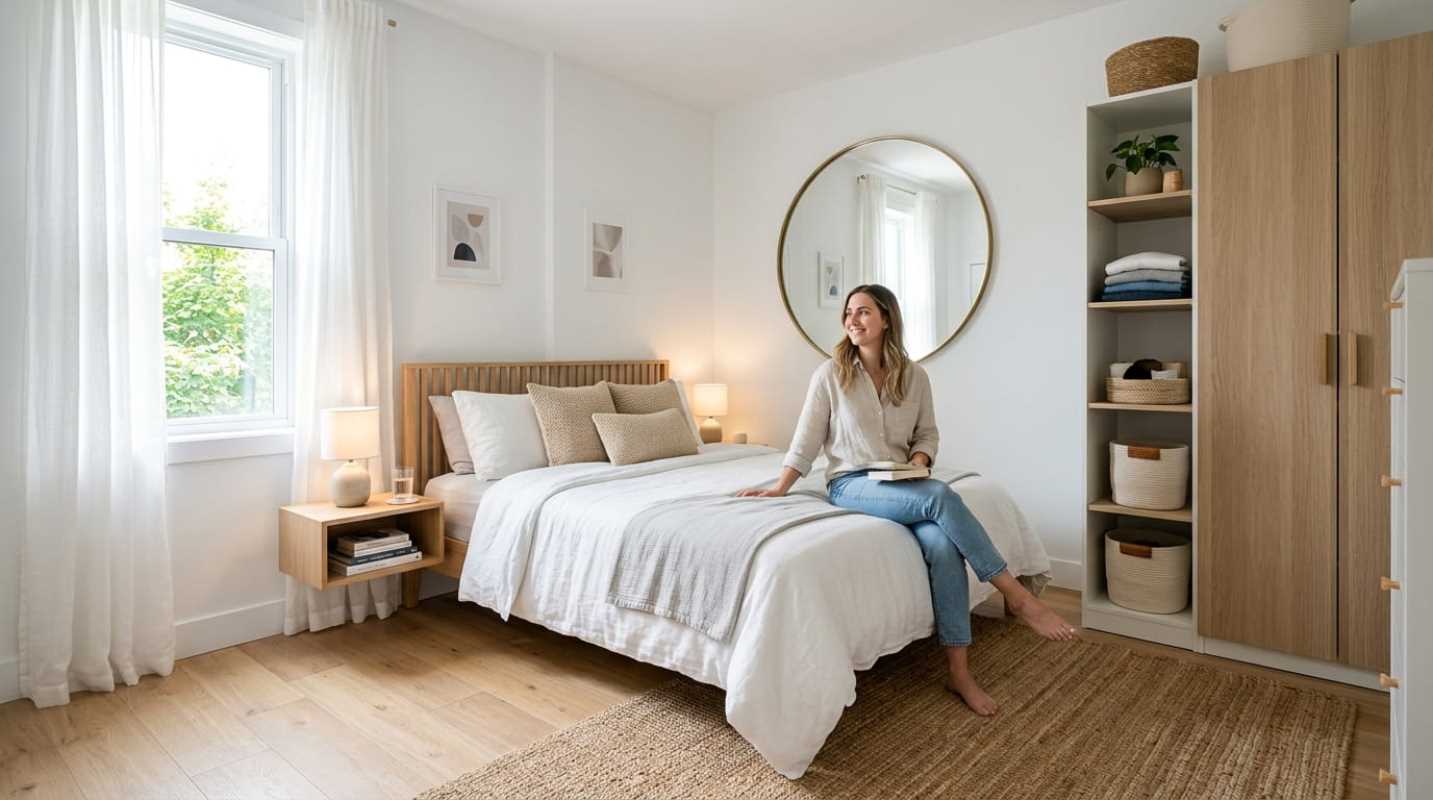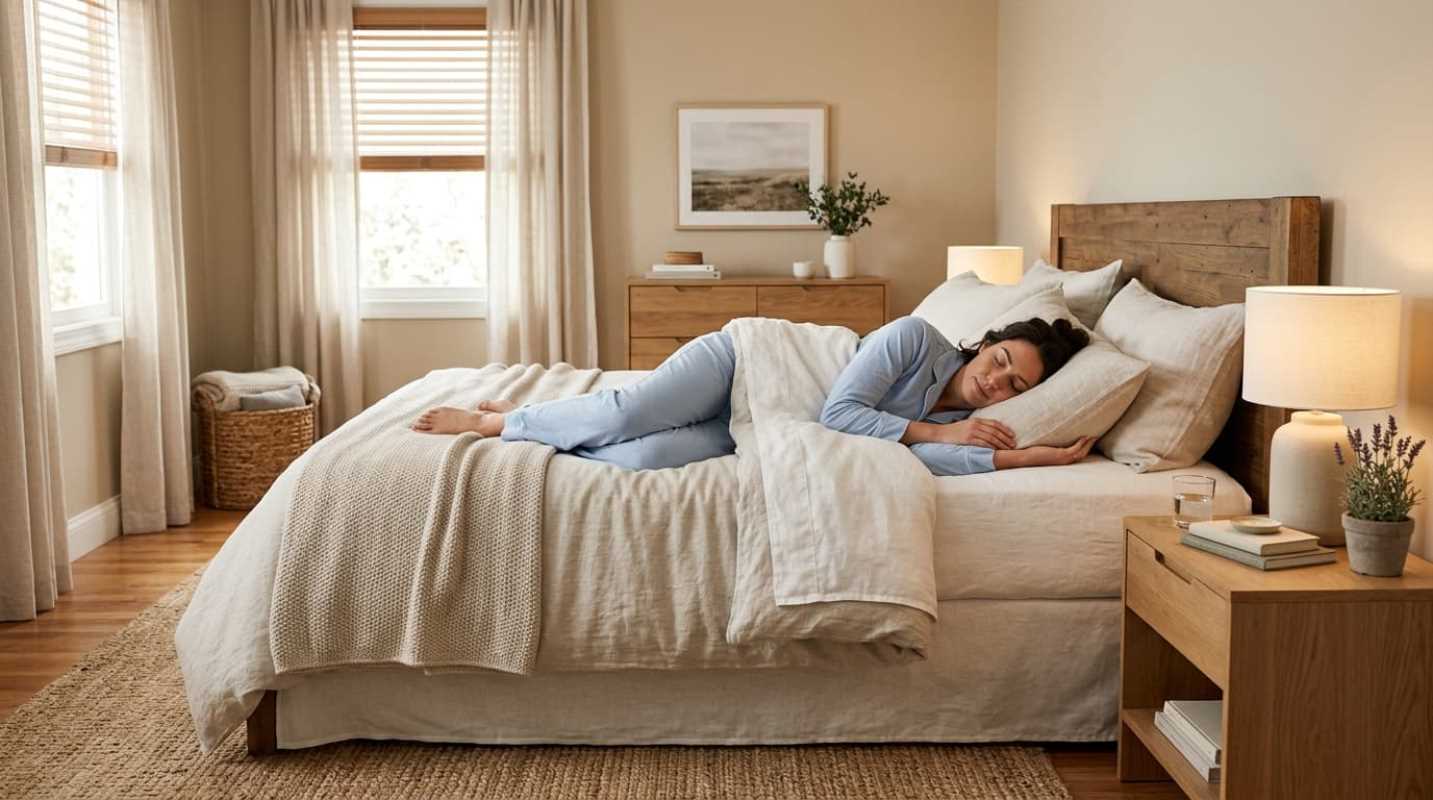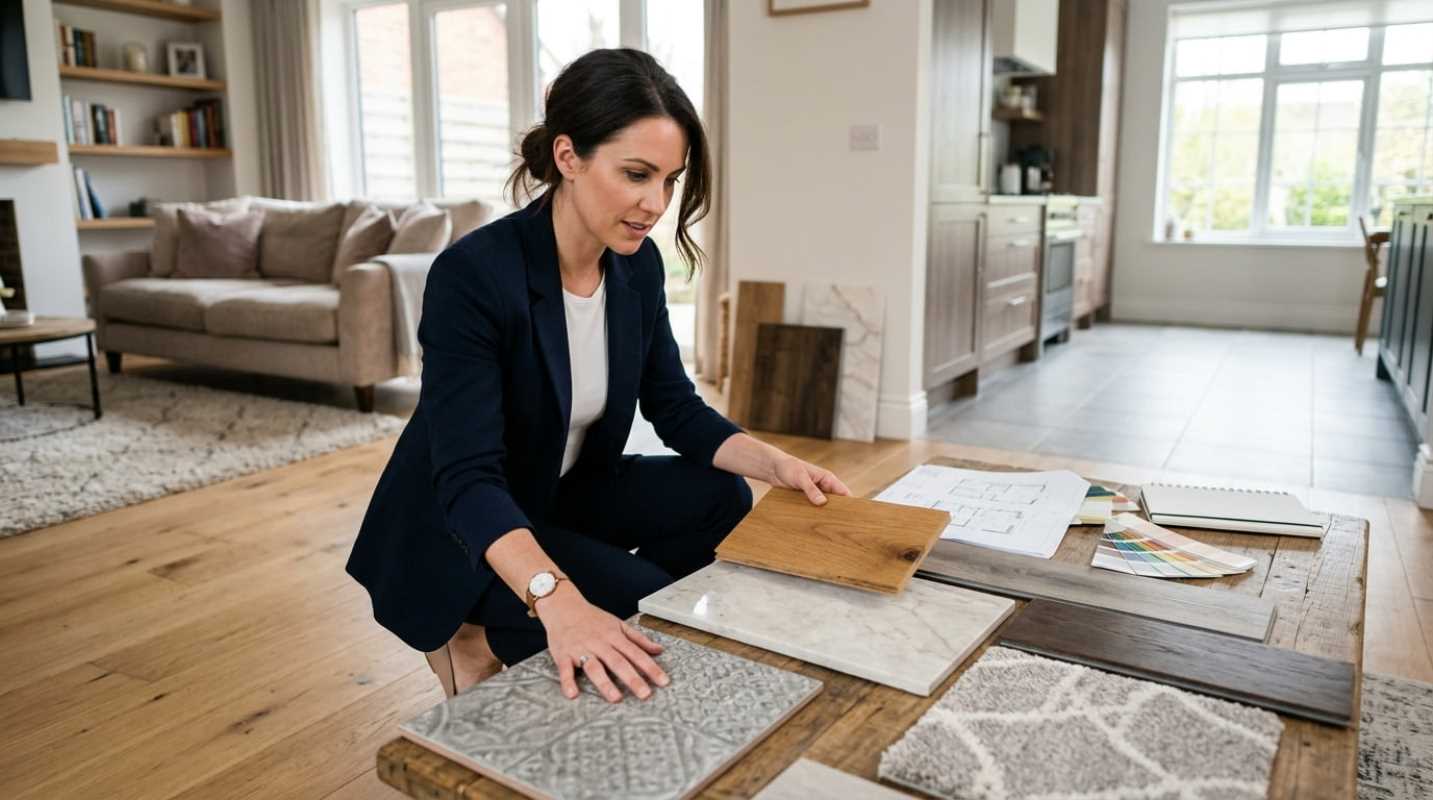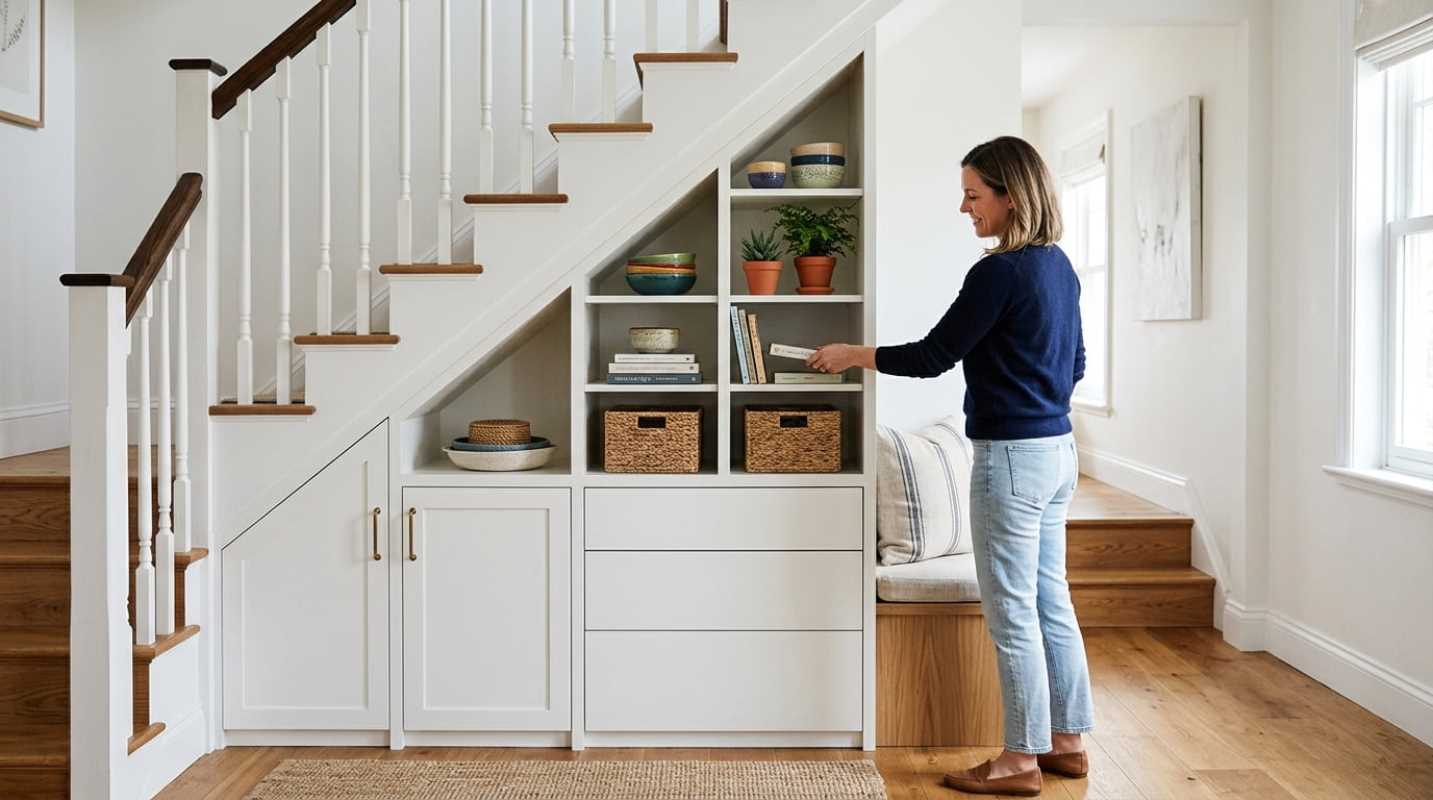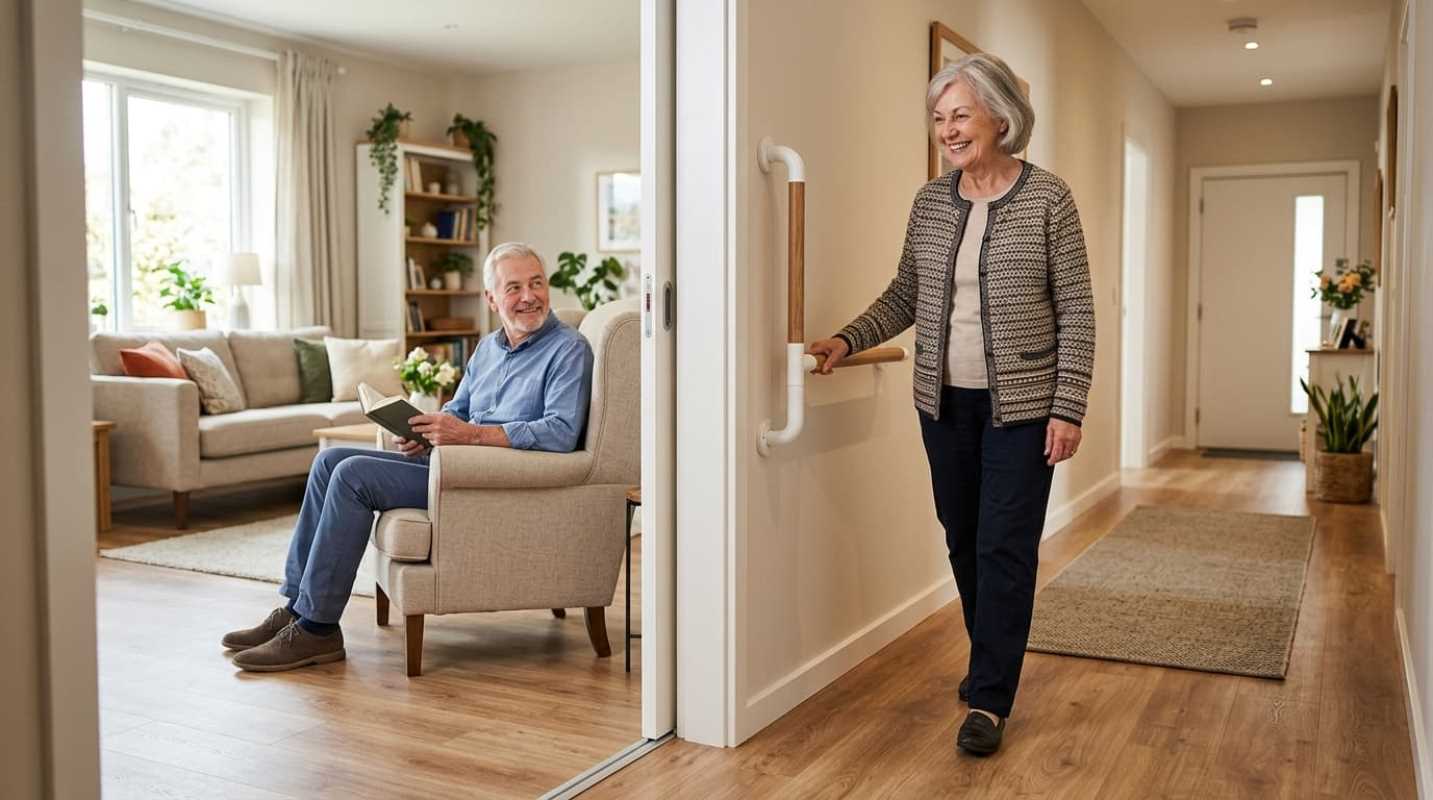
Have you ever walked through your home and looked at it through the eyes of your future self? Most of us love our spaces. We know which floorboard squeaks, how the morning sun hits the kitchen counter, and where the dog likes to nap. AARP reports that nearly 78% of adults over the age of 50 want to stay in their current homes for as long as possible.¹
Yet fewer than 4% of residences in the country have the basic features needed to support living safely on one level without steps or narrow doorways. That disconnect creates real problems. Centers for Disease Control and Prevention data show that more than one in four older adults falls each year, leading to millions of emergency room visits.²
Accessibility is not about turning your cozy living room into a sterile hospital ward. It is simply a practical design upgrade. When you update your living space ahead of time, you protect your independence and avoid frantic emergency remodels later. Families who tackle these changes early save up to 60% compared to those forced into rush jobs after a hospital stay.
Clearing the Path and Widening Walkways
The quickest way to make a home safer costs almost nothing: clear the floor. Tripping over an everyday object is surprisingly easy when your eyesight changes or your balance wobbles.
Loose throw rugs are the worst offenders in almost any home. They look nice, but their edges curl up and turn into invisible foot traps. If you cannot bear to part with a favorite runner, tape it down flat against the floor.
Mobility equipment needs breathing room. Standard walkers and wheelchairs require clear openings to roll smoothly from room to room. Although typical doorways measure around 30 inches wide, standard accessibility guidelines recommend at least 32 inches, with 36 inches being the sweet spot. You do not always have to knock down drywall to gain extra width. Swapping standard door hinges for swing-clear hinges swings the door completely outside the frame, adding up to two inches of clearance for roughly $30 a door.
Here are a few quick ways to clear everyday walking paths
• Throw rug removal: Pull up loose accent rugs or lock them down with heavy-duty double-sided tape.
• Swing-clear hinges: Swap out standard interior door hinges so doors swing clear of the opening.
• Low-pile carpeting: Keep carpet pile under a quarter-inch thick so rollators and walkers glide without snagging.
• Flush floor transitions: Keep interior doorway thresholds flush or under a quarter-inch high to prevent stumbles.
• Cord management: Route lamp and television cables along baseboards rather than running them across walking paths.
Bathroom Safety Modifications
Bathrooms are notoriously hazardous. Hard tile, wet floors, and tight layouts create the perfect recipe for trouble. In fact, nearly 80% of indoor falls among adults 65 and older happen in the bathroom.³
The good news is that targeted changes make a massive difference. Start by installing proper grab bars. Do not trust plastic suction-cup handles or towel racks, because they rip right out of the wall under pressure. A proper grab bar mounts into wall studs or solid wood backing, spans 1.25 to 1.5 inches in diameter, and holds up to 300 pounds of pull force. Modern grab bars can even double as sleek towel bars or shampoo ledges, so they blend right into your decor.
Toilets present another quiet challenge. Standard toilet seats sit just 15 inches off the floor, which puts heavy strain on aging knees and hips. Upgrading to a comfort-height toilet, which sits 17 to 19 inches high, reduces the muscular effort needed to stand up by up to 40%. If replacing the fixture is not in the budget right now, a bolt-on toilet riser with side handles gets the job done for a fraction of the price.
Walk-in showers are also well worth the investment. Stepping over a 16-inch bathtub ledge can feel like climbing a hurdle when balance is shaky. A zero-threshold shower lets someone walk or roll right in without catching a toe. Pair that with a handheld showerhead on a 60-inch flexible hose, a sturdy teak or aluminum shower bench, and textured non-slip floor tile to turn bathing into a safe, relaxing experience.
Smart Upgrades with Lighting and Lever Hardware
Have you ever fumbled in the dark trying to find a bathroom light switch? Aging eyes require roughly three to four times more light to see clearly than younger eyes. Dim hallways and harsh shadows make it difficult to judge depth and spot obstacles.
Brightening your space does not mean installing glaring floodlights. Soft, warm LED bulbs between 2700K and 3000K provide plenty of brightness without harsh glare. Automated plug-in nightlights along baseboards light the way between the bed and the bathroom whenever they sense motion. Smart home speakers linked to automated wall switches also let you turn on lamps with a quick voice command before getting out of bed.
Door and cabinet hardware also deserves a close look. Round brass doorknobs look classic, but they demand a tight pinch and twist that is painful for arthritic hands. Lever handles can be operated with a gentle push from a forearm or a closed fist. The same logic applies to kitchen drawers: swapping tiny knobs for wide D-shaped pulls eliminates the need to pinch small hardware.
Here are four simple hardware and lighting switches that pay off immediately
• Lever door handles: Replace round knobs with smooth levers that open with a gentle downward press.
• D-shaped cabinet pulls: Swap round drawer knobs for open pulls that accommodate multiple fingers easily.
• Rocker light switches: Install wide, flat rocker switches at roughly 42 to 48 inches from the floor for simple bumping with an elbow.
• Motion-activated nightlights: Plug small sensor lights into lower hallway outlets to illuminate late-night bathroom trips automatically.
Planning for the Long Term with a Maintenance Mindset
You do not need to gut your entire house this weekend. Thinking about accessibility works best as a steady, step-by-step process.
Set aside an afternoon twice a year to walk through your home with an honest eye. Check the light bulbs in dark stairwells. Feel whether the handrails shake. Notice if floorboards or rugs are beginning to lift at the edges.
Starting with small weekend projects builds momentum. Taking care of rugs, door handles, and nightlights today gives you immediate peace of mind. Later on, you can plan larger projects like zero-threshold showers or entry ramps as your needs and budget evolve.
A Home That Grows With You
Your home should be a place where you feel completely secure, comfortable, and independent. Adapting your space to match your physical needs as time passes is one of the smartest investments you can make in your quality of life.
Pick one easy upgrade to tackle this coming weekend. Remove that slippery rug in the front hall, swap out a round doorknob for a sleek lever, or screw in a brighter bulb over the stairs. Each small adjustment keeps you safe, independent, and growing in the home you love.
Sources:
1. AARP HomeFit Guide
https://www.aarp.org/livable-communities/housing/info-2020/homefit-guide/
2. CDC Older Adult Falls Data
https://www.cdc.gov/falls/data-research/index.html
3. National Council on Aging Home Safety Modifications
https://www.ncoa.org/article/how-to-prevent-falls-with-home-safety-modifications/
*This article on Folloquy is for informational and educational purposes only. Readers are encouraged to consult qualified professionals and verify details with official sources before making decisions. This content does not constitute professional advice.*