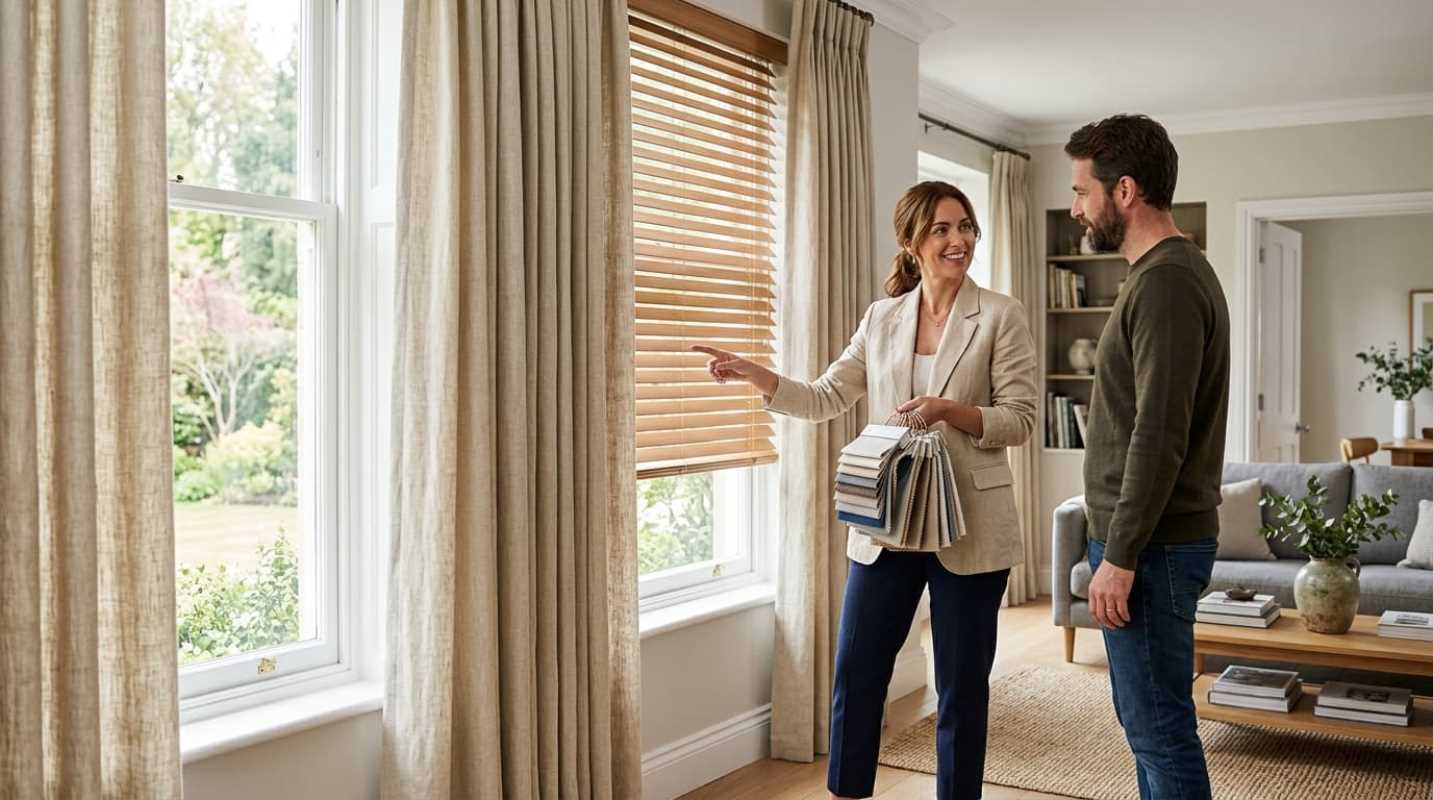
Have you ever walked into a room that felt finished, cozy, and pulled together, but you could not quite put your finger on why? Nine times out of ten, it comes down to the windows. Bare panes or cheap, crooked mini-blinds instantly suck the warmth out of a space.
Window coverings pull double duty in your home. They frame your view, soften hard architectural lines, and introduce texture. At the same time, they control glare, protect your furniture from sun damage, and keep your neighbors from watching your nightly routines.
Finding the right balance between how a window looks and how it actually works takes a bit of planning. You cannot treat a humid bathroom window the same way you treat a formal living room picture window. Each space has its own light, privacy, and airflow demands. A room-by-room approach helps you solve those specific puzzles without wasting your budget.
Mastering the Balance of Light Control and Privacy Needs
Before you start looking at fabric swatches, step back and evaluate what each room actually demands from you during the day. Think of your home in zones of activity.
Your living room and kitchen are public, high-traffic hubs. You want daylight pouring into these spaces to keep them bright and inviting, and you rarely need total blackout privacy here at noon. Your bedroom and primary bathroom, on the other hand, sit at the opposite end of the spectrum. You need complete seclusion at night and absolute darkness when you want to sleep in.
Take a weekend to track the sun as it moves across your house. East-facing rooms get blasted with harsh, low morning light that can heat up a room quickly, while west-facing windows catch that blazing, late-afternoon glare. North-facing spaces receive cool, indirect daylight all day, so you will rarely struggle with blinding glare there.
If you want the best of both worlds, layering is your secret weapon. By combining an inside-mounted shade with floor-length drapery panels, you get total control over your environment. Keep the drapes pulled open and lower a translucent shade to soften midday glare, then pull the heavy drapes shut at night to lock in privacy.
Top-down, bottom-up shades give you another clever trick. You can drop the top of the shade down a couple of feet to let light bounce off the ceiling, while keeping the bottom half covered so people walking by on the sidewalk cannot see inside.
Blinds vs. Shades vs. Drapes
Walking into a showroom can feel a lot different because of the terminology. Let us break down the three main categories, so you know exactly what fits your style
• Blinds: Made from hard slats of wood, faux-wood, or metal that tilt up and down. They give you pinpoint control over the direction of incoming sunlight. They work well when you want to tilt the light away from a television screen without completely darkening the room.
• Shades: Continuous pieces of fabric that roll or fold smoothly up and down. They offer clean lines, flat profiles, and a tailored look. Roller shades, Roman shades, and cellular designs all fall into this bucket, giving you endless choices for patterns and textures.
• Drapes: Fabric panels that hang vertically from a rod, usually extending all the way to the floor. They bring height, softness, and a sense of luxury to dining and living areas. They also do wonders for absorbing echoes in rooms with hardwood or tile floors.
Do not feel pressured to pick just one style for your entire home. You can easily mix them. A tailored fabric Roman shade looks stunning when hung inside the casing of a window flanked by long linen drapery panels. That contrast between structured lines and flowing fabric makes a room feel layered and professionally styled.
Efficiency Meets Comfort with Energy-Insulating Fabrics
Here is a fact that might surprise you. According to the U.S. Department of Energy, standard windows account for 25% to 30% of residential heating and cooling energy use.¹ During the heat of summer, about 76% of the sunlight falling on regular double-pane windows turns straight into heat inside your house. That is a massive load on your air conditioning unit.
If you want to cut down on drafty winters and sweltering summers, look closely at honeycomb cellular shades. These shades feature engineered hexagonal pockets that trap air right against the glass. A typical clear double-pane window has an insulating value of roughly R-2.0. Installing a high-performance cellular shade can push that effective assembly up to R-5.0, which more than doubles your window's resistance to heat transfer.² When installed snugly inside the casing, cellular shades can reduce heat loss through windows by 40% or more in the winter and slash solar heat gain by up to 60% in the summer.¹
For extra power, look for fabrics verified by the Attachments Energy Rating Council (AERC), which tests window attachments for certified energy performance.³
If you love the traditional look of drapery, make sure you invest in thermal-lined fabrics. High-performance drapery uses three-pass blackout linings, which sandwich a dense core between fabric layers to eliminate drafts and light bleeds completely. Adding an English flannel interlining between the face fabric and the lining gives the drape extra physical weight, helping muffle street sounds while insulating the room.
Room-by-Room Approach
Let us walk through how to tackle the distinct needs of each room in your house
• Kitchen and Bathrooms: Moisture, grease, and humidity destroy natural fabrics and real wood quickly. Skip delicate silks and porous linens here. Go for faux-wood composite blinds that resist warping, or choose wipeable vinyl solar roller shades. If your shower sits near a window, water-resistant faux-wood shutters give you classic charm without the mildew headaches.
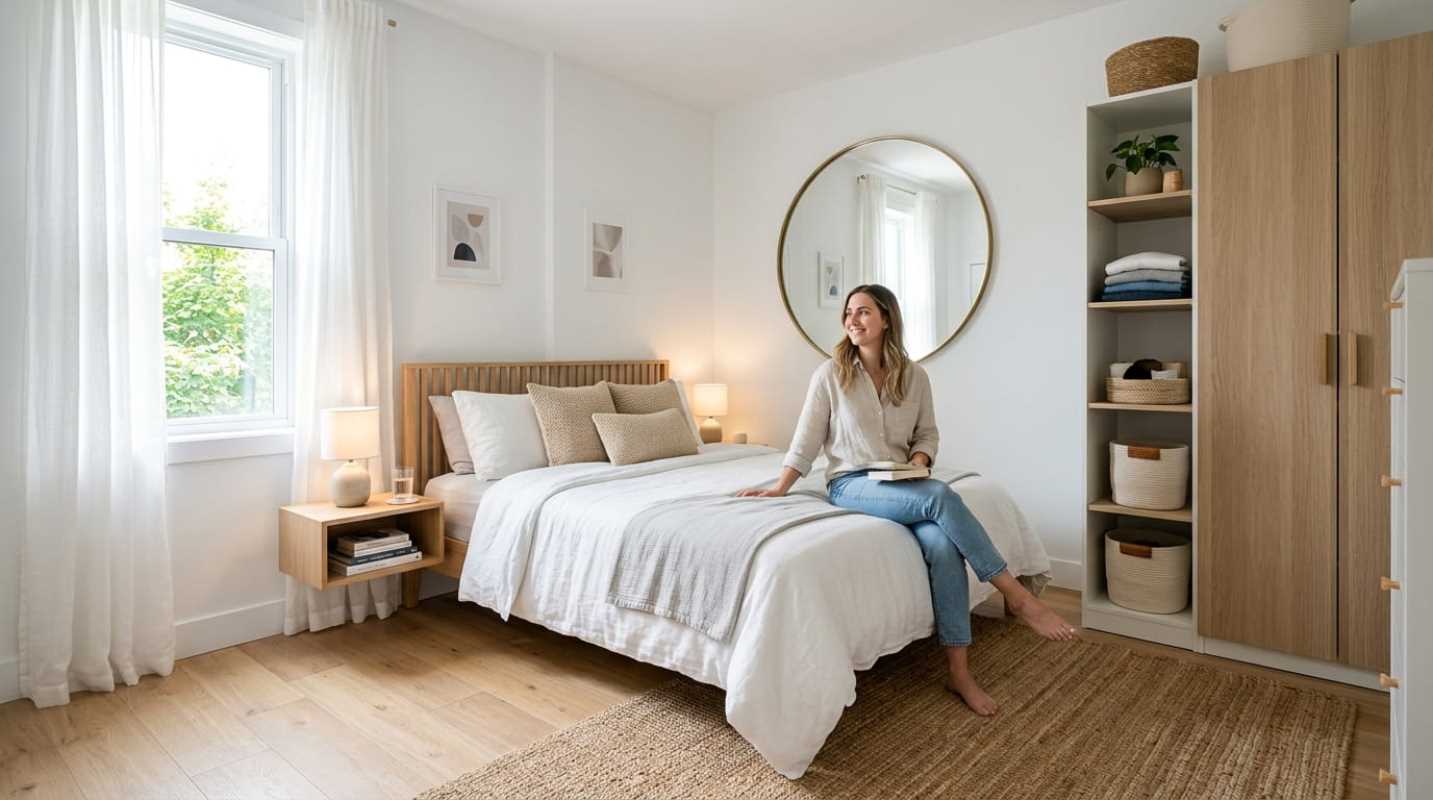
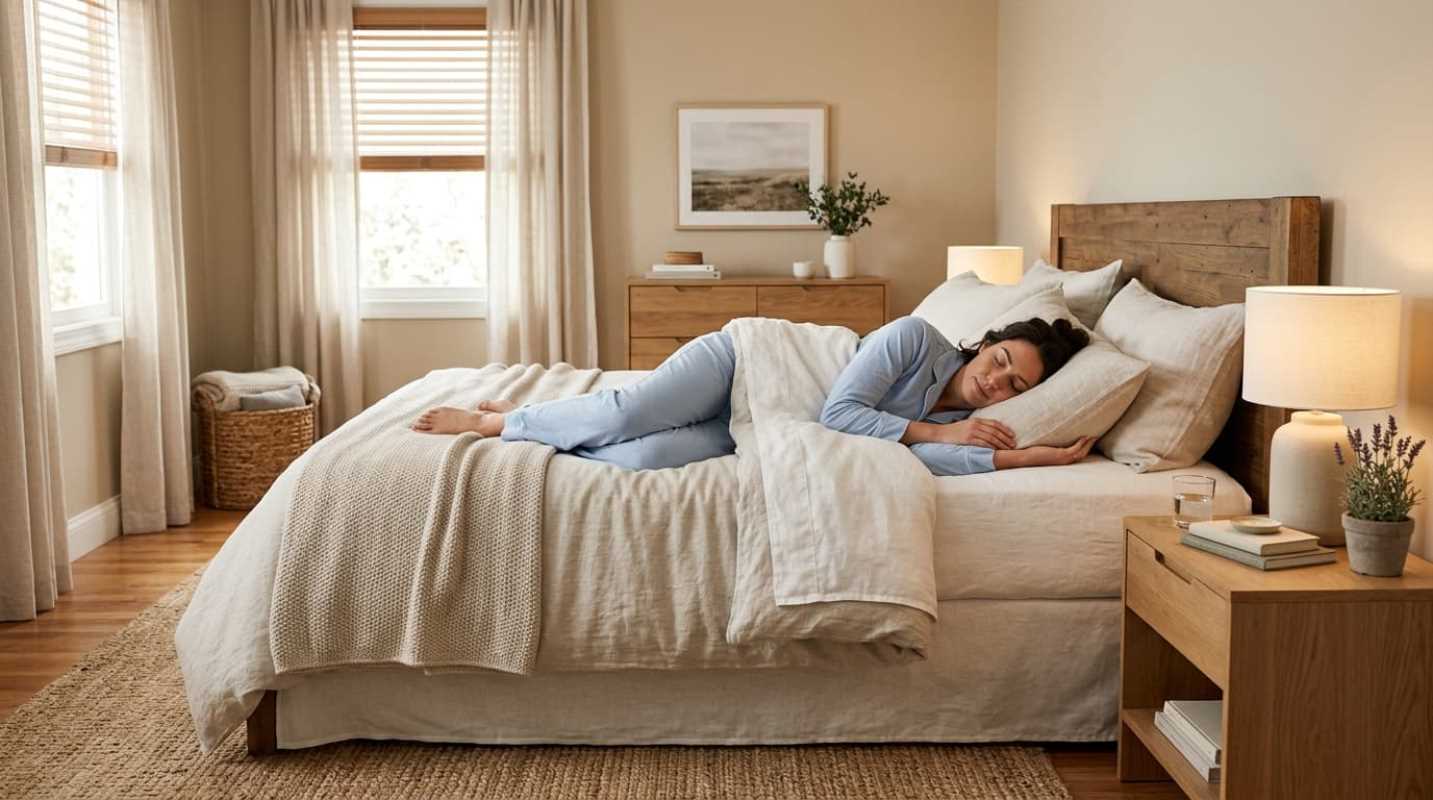
• Primary Bedroom: Sleep hygiene should dictate your choices here. Streetlights, car headlights, and early morning sun wreck deep sleep. Choose blackout cellular shades or roller shades fitted with side-channel tracks to stop light halos around the edges. Layer blackout-lined drapery panels over the top to catch any remaining pinpricks of light.
• Living and Media Areas: Screen glare and fading upholstery are your main enemies here. Solar shades with a 3% to 5% openness factor are great choices. They screen out roughly 95% of damaging UV rays and soften blinding glare, but they still let you see your backyard view. Pair them with ceiling-height drapery panels to draw the eye upward and make the room feel larger.
• Home Office: Video call backlighting can turn you into a shadowy silhouette on camera. Look for top-down, bottom-up shades or solar shades with a matte finish. They scatter direct sunlight evenly across your workspace so you can read your screens without straining your eyes.
Designing for a Polished Finish
The best window treatment in the world will look sloppy if the fit is off. When you measure your windows, use a steel tape measure instead of a floppy sewing tape. Measure the width and height in three different places (top, middle, and bottom) because window frames are rarely completely square. If you want an inside mount for a clean look, confirm your window frame is deep enough to hold the mechanism flush. If your casing is shallow, choose an outside mount that extends two to three inches past the trim on every side to keep drafts and light leaks out.
Do not overlook the hardware. Your curtain rods, brackets, and rings act like jewelry for your windows. Match your rod finishes to your lighting fixtures or door hardware for a cohesive palette.
Hang your drapery rods high and wide. Mounting your rod close to the ceiling line rather than right on top of the window frame creates the illusion of higher ceilings. Extending the rod past the window trim lets the panels rest against the bare wall when pulled back, getting the most from your daylight and making the window look twice its actual size. Take your time, focus on the functional needs of each room, and invest in durable materials that will look great for years.
Sources:
1. U.S. Department of Energy
https://www.energy.gov/sites/default/files/2021-12/bto-cellular-shades-factsheet-112221.pdf
2. Ankoda Blinds
https://ankodablinds.com/are-cellular-shades-energy-efficient/
3. Hunter Douglas Energy Ratings
https://www.hunterdouglas.com/aerc