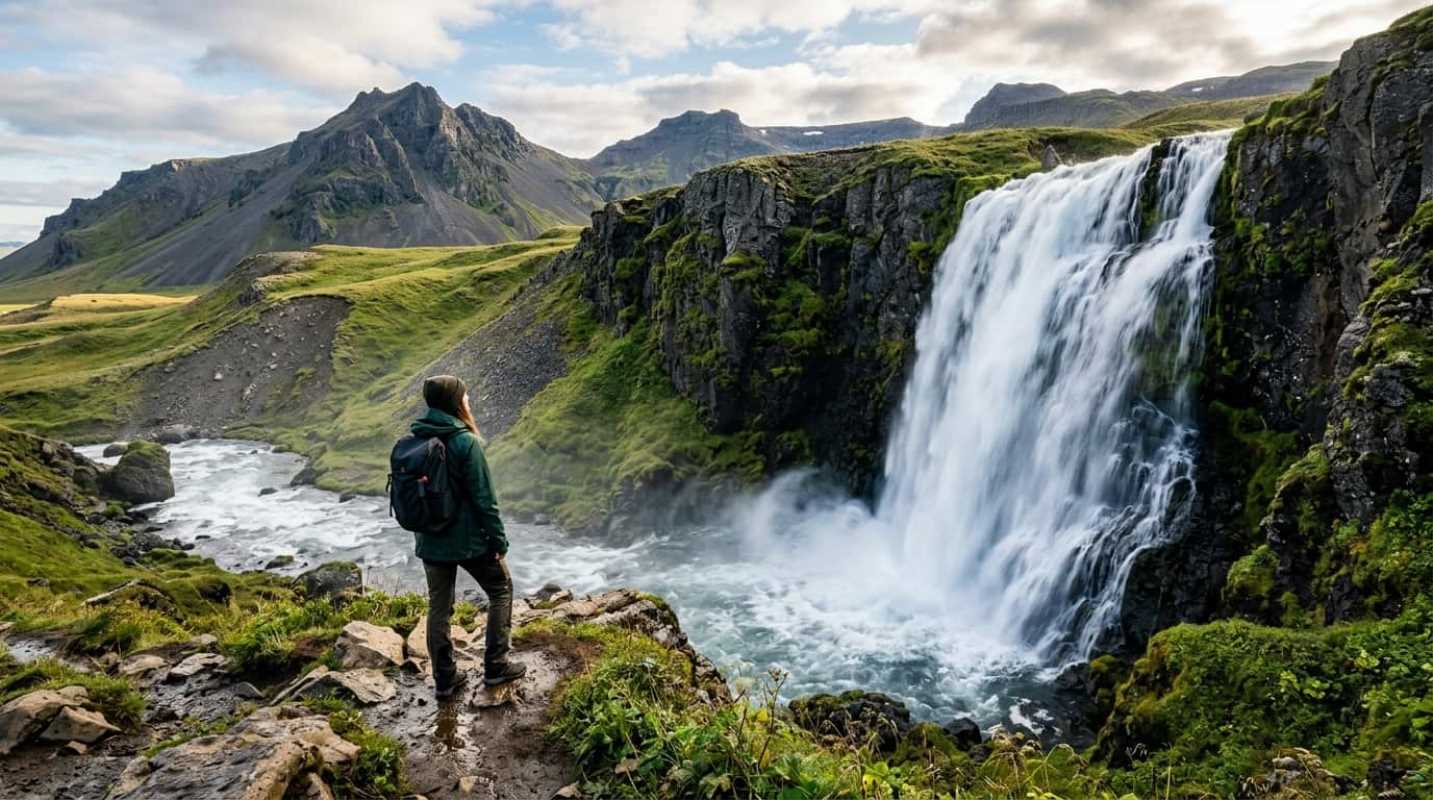
Have you ever stood at the edge of a place so vast that your brain simply stopped running through its daily mental chores? That is what happens when you step out into the wildest corners of the Earth. These places offer something you cannot get from a city break or a quiet weekend at home. They shake up your perspective, reset your nervous system, and remind you how small you really are in the grand scheme of things.
Planning trips to these jaw-dropping locations brings a real thrill. It also comes with a heavy dose of responsibility. When you stand before geological formations that took millions of years to build, you quickly realize how fragile they can be under the weight of modern tourism. Visiting these places in 2026 means showing up with curiosity and leaving with zero negative impact on the ground beneath your boots.
The Grand Canyon and Its Layered Geological History
Standing on the rim of the Grand Canyon makes you feel like you are peering directly into the Earth's diary. Down at the bottom of the gorge lies the Vishnu Schist, a rock layer that is roughly 1.8 billion years old. Up near the top rim sits the Kaibab Limestone, which formed around 270 million years ago. The canyon itself is relatively young compared to its exposed rock layers. The Colorado River carved out this massive chasm over just five to six million years.
To catch the most unforgettable views, set your alarm early. Watching the sun break over Mather Point reveals layers of deep red, burnt orange, and soft purple across miles of empty air. If you want a better workout and a different angle, hike down Bright Angel Trail. Descending even a mile or two below the rim completely changes your sense of scale as stone towers rise up around you.
Preserving this iconic park takes conscious effort from every visitor
• Ride the park shuttles: Using the free South Rim buses keeps hundreds of idling cars off scenic roads.
• Carry reusable water containers: Single-use plastic bottles create unnecessary waste, so fill up at the free spring water stations along the rim.
• Respect regional boundaries: Nearly 917,000 acres outside the park are preserved under the Baaj Nwaavjo I’tah Kukveni monument to protect tribal aquifers and sacred sites from uranium mining.
The Northern Lights in Iceland and the Celestial Dance
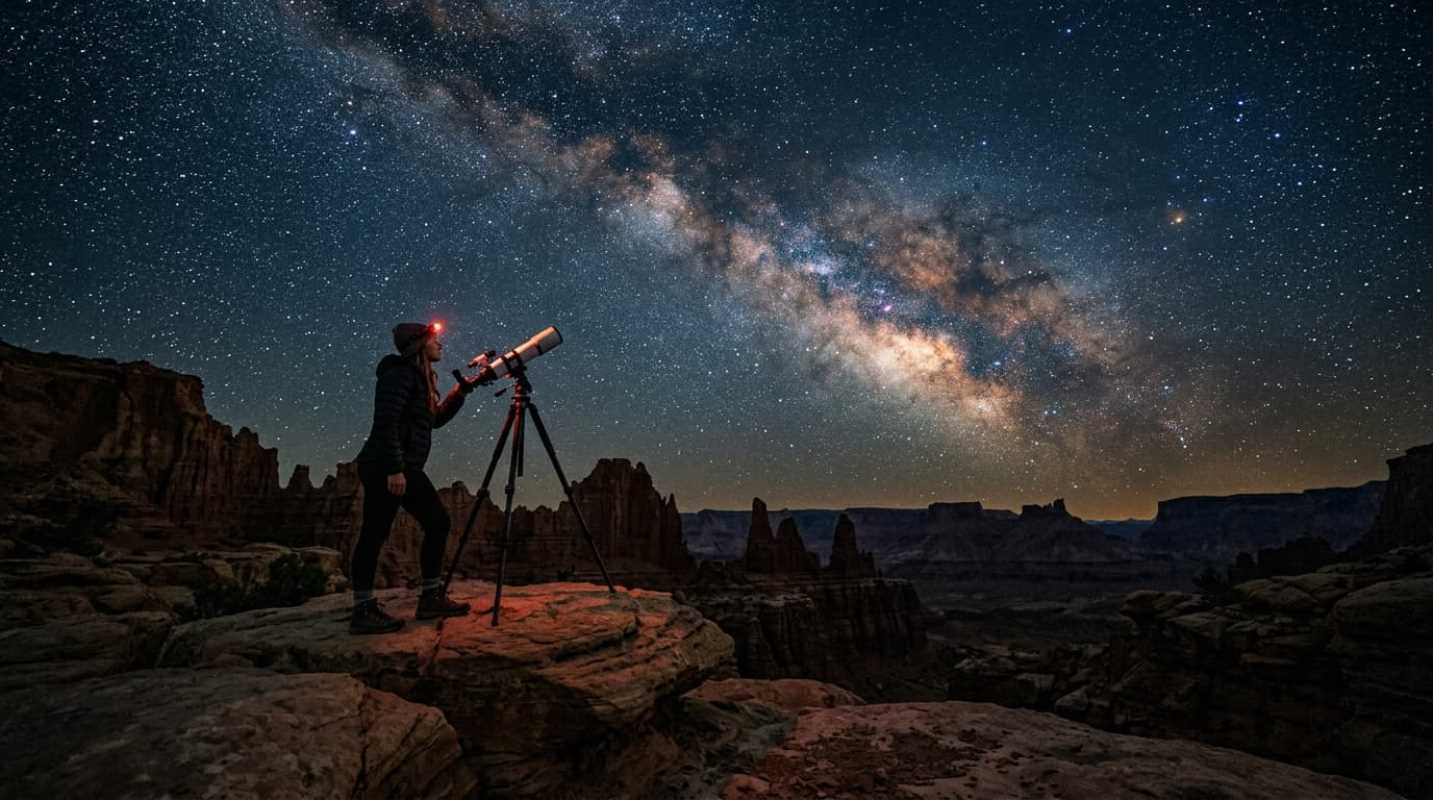
Few travel experiences match the strange magic of standing beneath green light curling across a pitch-black Arctic sky. What causes this light show? The science is wild and simple. Energetic charged particles from solar winds crash into atoms high up in Earth's atmosphere. When these particles hit oxygen, they produce bright neon greens and rare fiery reds. When they hit nitrogen, they flash blue and magenta. Thanks to the peak activity of Solar Cycle 25, the auroral displays in the sub-Arctic have been unusually vivid and frequent.
You will not see much from downtown Reykjavik because the city lights wash out the sky. Head into the dark expanses of Thingvellir National Park or drive out toward the Jokulsarlon glacier lagoon. Seeing green sheets of light reflect off floating icebergs gives you an experience you will remember for the rest of your life. Pack a sturdy tripod, set your camera to manual focus, and use a multi-second exposure to pull in every hidden ripple of color.
Exploring sub-Arctic terrain requires serious environmental care
• Stay on marked paths: Icelandic volcanic moss takes decades to recover if it gets trampled by hiking boots.
• Choose quiet transport: Book excursions using hybrid boats or electric snowmobiles to cut down on exhaust and preserve the silent wilderness.
• Honor dark sky zones: Turn off your flashlights and vehicle headlights at viewing turnouts to protect night vision for other travelers and nocturnal wildlife.
The Great Barrier Reef and the Underwater Cathedral
Stretching for more than 2,300 kilometers along Australia's northeast coast, the Great Barrier Reef is the biggest living structure on the planet. Corals have inhabited the Coral Sea for hundreds of thousands of years, but the modern living reef took shape between 8,000 and 10,000 years ago when rising sea levels followed the last Ice Age. Today, thousands of individual reefs and sand cays form an underwater world teeming with manta rays, sea turtles, and clownfish.
This delicate paradise faces serious heat stress. Marine heatwaves recently triggered the Fourth Global Bleaching Event, affecting more than 80% of coral reef territories worldwide.¹ Aerial surveys of the Great Barrier Reef revealed that half of the surveyed reefs displayed high to very high bleaching levels, with shallow corals suffering the steepest drops in cover.²
Visiting the reef responsibly makes a huge difference
• Hire accredited operators: Look for tours led by certified Master Reef Guides who follow strict environmental safety standards.
• Wear mineral sunscreen: Pick formulas with non-nano zinc oxide and skip chemical sunscreens containing oxybenzone, which damages coral polyps.
• Participate in citizen science: Use apps like Eye on the Reef to submit photos and help marine rangers monitor coral health in real time.
Salar de Uyuni and Walking on the World's Largest Mirror
Sitting high up in southwest Bolivia at an elevation of nearly 3,650 meters, Salar de Uyuni looks like something out of a science fiction movie. Millions of years ago, enormous prehistoric lakes covered the Andean plateau. Over time, those ancient waters dried out completely, leaving behind a flat sheet of crusty white salt that covers more than 10,000 square kilometers.
Plan your trip between January and March during the rainy season to see the salt flat at its wildest. A thin layer of standing water covers the flat salt crust, turning the entire surface into a seamless mirror. The sky reflects so perfectly on the ground that the horizon line disappears completely. For dry vistas, visit Incahuasi Island, a rocky outcrop in the middle of the salt flats packed with giant cacti that reach ten meters tall.
High-altitude salt deserts are fragile environments
• Hire verified local drivers: Keep four-wheel-drive vehicles on established tracks so you do not damage delicate surface salt patterns.
• Keep your distance from wildlife: Andean flamingos gather in nearby lagoons to breed, so watch them through binoculars rather than walking close.
• Pack out all trash: Waste services are virtually non-existent in this remote area, so carry every piece of garbage back to your hotel in town.
Your Role as a Conscious Explorer
Building a travel bucket list is exciting. Filling your calendar with great trips gives you something fun to look forward to during ordinary work weeks. As you plan out your adventures, remember that visiting Earth's greatest natural features is a privilege, not an automatic right.
You do not need to choose between seeking adventure and protecting the environment. When you pick low-emission transport, respect local rules, and support tour companies that give back to conservation, you actively protect these sites. Treat these wonders with the respect they deserve, pack your gear, and go experience the planet with open eyes.
Sources:
1. Fourth Global Bleaching Report
https://coralreefwatch.noaa.gov/satellite/research/coral_bleaching_report.php
2. Long-term Reef Monitoring Survey
https://gcrmn.net/2025/08/06/gbr-monitoring-2024/