Have you ever arrived for a quick weekend trip, only to spend your first two hours stuck on an airport expressway? Or circled four city blocks looking for an overnight parking garage that charges sixty dollars a day?
Renting a vehicle for a two-day break is often an expensive mistake. Between gas prices, insurance surcharges, and unfamiliar one-way streets, driving turns what should be a relaxing escape into a logistical headache.
Traveling car-free changes the whole pace of your weekend. The moment you step off an airplane or train directly onto a rapid transit platform, your vacation starts. You save money, cut down on travel stress, and take in the neighborhood details that drivers zoom right past.
To pull off an effortless weekend without a set of keys, you need two practical foundations. First, you need high walkability with sights and dining clustered close together. Second, you need straightforward public transit that gets you across town without confusing schedules or paper ticket lines.
The Urban Core Advantage and Why Walkability Matters
Think of your weekend plan like a tight cluster on a map. If you have to hail a car every time you want a morning coffee or a museum ticket, you waste precious hours sitting at red lights.
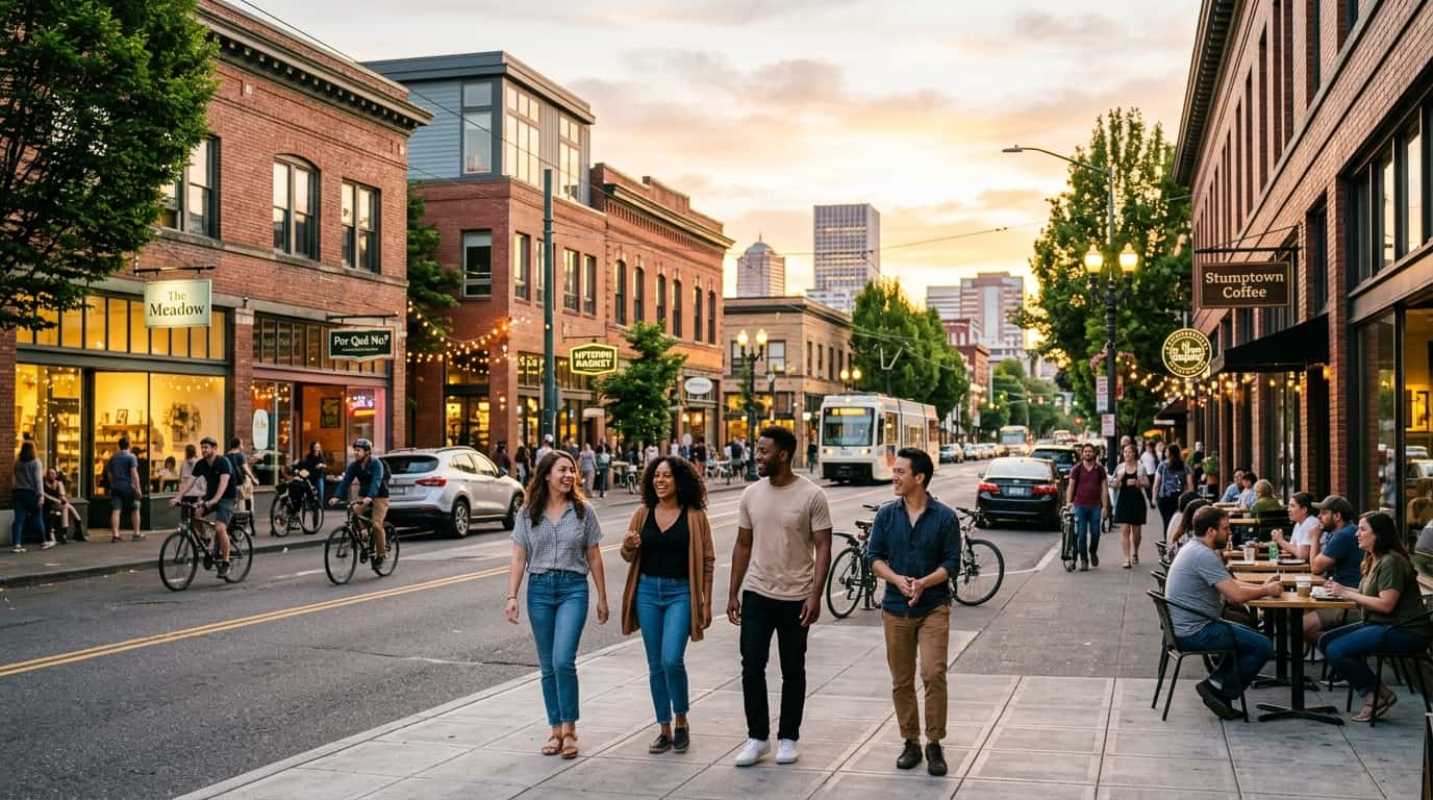
The smartest car-free getaways focus on cities where hotels, cultural spots, and food districts sit within a one-mile radius. In these neighborhoods, walking is usually faster than sitting in rideshare traffic anyway.
Exploring on foot completely changes how you experience a new place. You notice quiet courtyards, duck into neighborhood bakeries, and admire the local architecture without stressing about missing your highway exit. You get to be part of the streetscape instead of looking at it through a tinted window.
Before you book your trip, check the destination's Walk Score.¹ A score of 80 or above means you can handle almost all your weekend activities purely on foot. If a city rates below 70, you will likely spend half your trip waiting on curb pickups on wide, unwalkable boulevards.
Mastering the Arrival with Seamless Airport and Rail Connections
A quick 48-hour escape leaves no time for transit friction. If your flight lands on Friday evening and you lose an hour and a half to gridlock, your first night is basically gone.
Prioritize destinations that run direct rail lines straight from the airport terminal into the downtown core. Like, Boston lets you jump on the subway from the airport and reach the historic center in about twenty minutes. Chicago runs trains from both major airports straight into the Loop for five dollars or less.
To make those station-to-hotel handoffs completely smooth, keep a few key habits in mind
• Pack light: Stick to a single carry-on duffel or backpack so taking stairs and subway turnstiles is fast and easy.
• Use tap-to-pay fares: Most major transit networks let you tap a contactless credit card or smartphone at the turnstile, saving you from decoding local ticket machines.
• Keep rideshares as a backup: Save app rides for late-night trips when train intervals widen, rather than using them for simple ten-block hops.
Top Recommendations for a Car-Free Weekend
Boston, Massachusetts
Known as the Walking City, Boston is built for pedestrian exploration. Sights like the Freedom Trail, Boston Common, and the North End sit inside a compact 2.5-mile corridor. Logan Airport is right across the harbor, and the Blue Line subway delivers you downtown in around twenty minutes. With a Walk Score of 83, you can easily spend an entire weekend wandering historic brick alleys and waterfront paths without ever opening a ride-hailing app.
Chicago, Illinois
Chicago gives you world-class transit alongside an incredible pedestrian layout. The CTA Blue Line runs directly out of O'Hare, while the Orange Line connects Midway straight to the Loop. Once you drop your bags downtown, you have access to the 18.5-mile Lakefront Trail, Millennium Park, and the architecture cruise docks on foot. For longer hops to food-heavy neighborhoods like Wicker Park or Logan Square, the L train runs quickly and cheaply.
San Francisco, California
San Francisco holds the top spot on urban mobility indexes thanks to its transit network and tight 49-square-mile footprint.² You can catch BART right inside San Francisco International Airport and reach Market Street in thirty minutes. From there, historic streetcars, Muni buses, and cable cars help you conquer the city's steep hills. You can easily stroll through Chinatown, explore North Beach, and walk along the Embarcadero over a single Saturday.
Washington, D.C.
The nation's capital shines when you leave the car behind. Both Dulles and Reagan National connect directly to the clean, reliable Metrorail system. The National Mall, the Smithsonian museums, and the monuments form an open pedestrian corridor where cars are useless. For neighborhood hopping between Dupont Circle, Adams Morgan, and Georgetown, Capital Bikeshare docks sit on nearly every corner.
International Standouts Paris and Florence
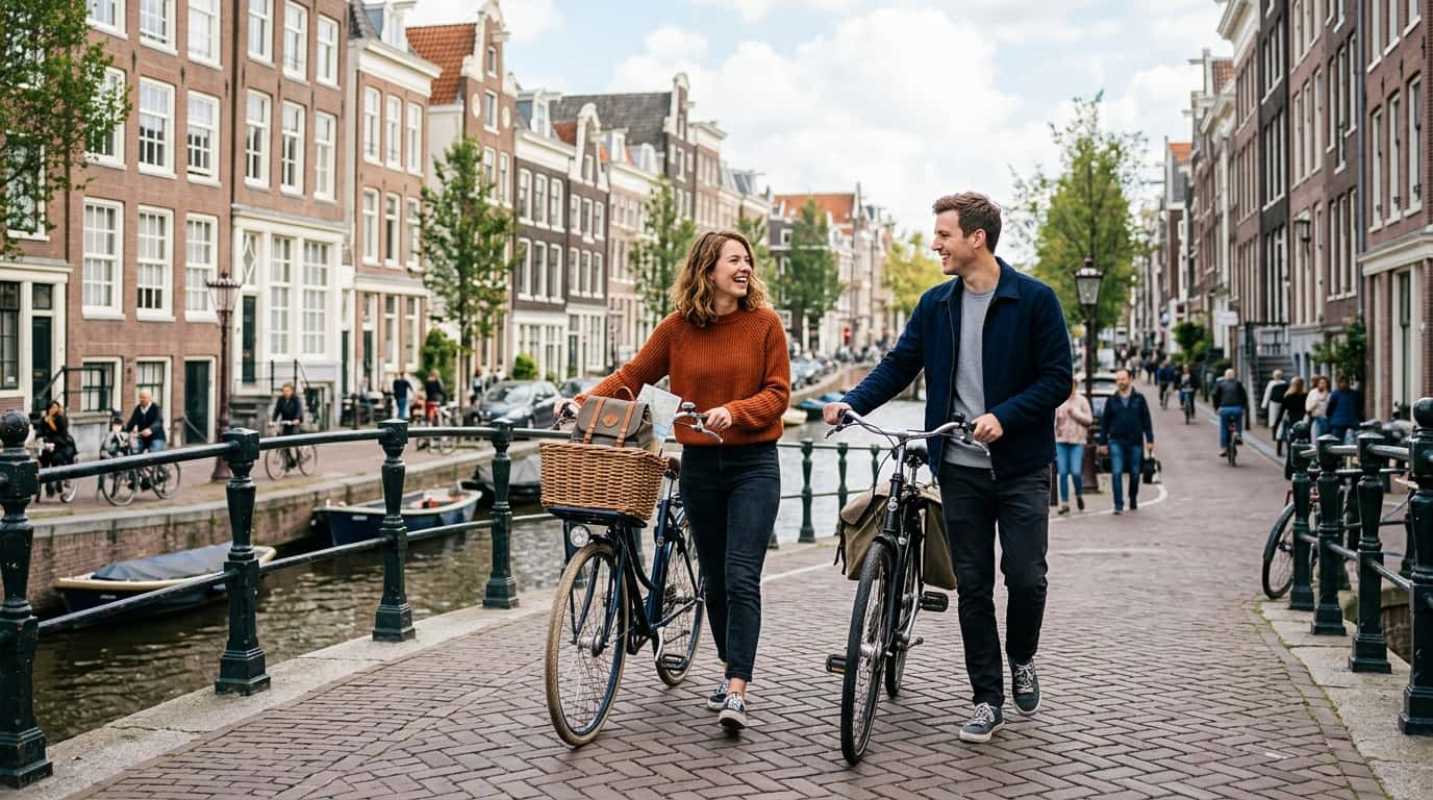
If you want to head overseas for a long weekend, European hubs take pedestrian design to another level. Paris expanded its bike networks and pedestrianized miles of riverbanks along the Seine, making it a joy to handle on foot or via the Metro. If you prefer pure walking without any transit at all, Florence ranks at the very top of global walkability lists because its major historic landmarks sit within a tiny, pedestrianized footprint.³
Optimizing Your Weekend Without a Vehicle
Pulling off a car-free getaway does not mean wandering until your feet hurt. A little planning keeps your days relaxing
• Book your hotel near a transit hub: Spending slightly more on a central room pays off immediately because you avoid long commutes back to your bed.
• Use transit mapping apps: Tools like Citymapper or Google Maps tell you exact platform numbers, arrival times, and the best subway exits for your destination.
• Take advantage of bike shares: Renting an e-bike from a dock gives you a breezy way to bridge the gap between two adjoining neighborhoods.
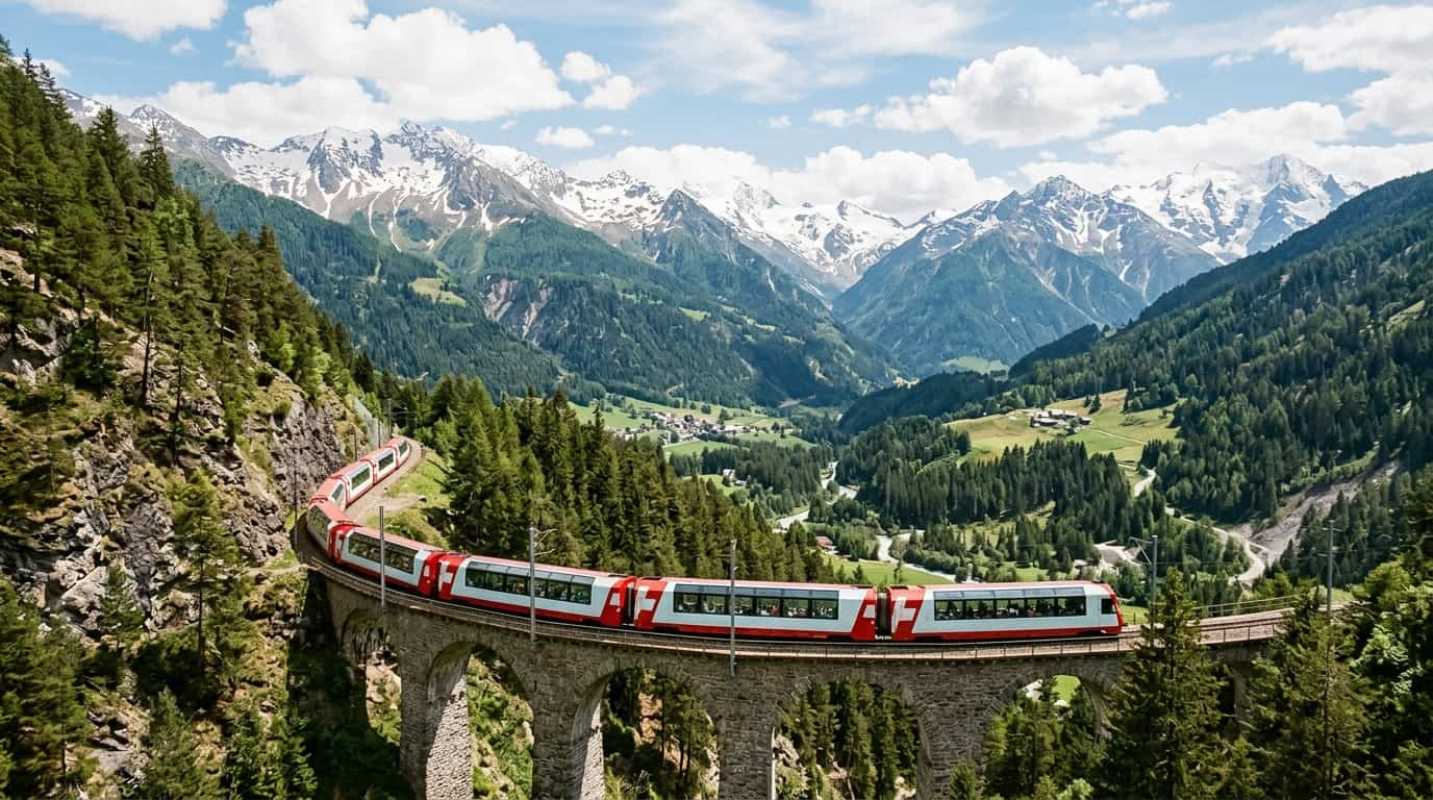
• Turn transit into sightseeing: Riding an elevated train past Chicago skyscrapers or hopping on a historic streetcar in San Francisco is an attraction in itself.
Your Next Getaway Is Just a Train Ride Away
Leaving your car at home might feel unusual if you grew up packing a trunk for every road trip. But once you skip the parking meters and highway bottlenecks, you will never want to go back.
You get your personal time back. You can enjoy a glass of wine at dinner without worrying about who is driving, and you experience the neighborhood the way locals do.
Next time you plan a quick weekend trip, skip the rental counter. Pick a walkable city, pack light, lace up comfortable sneakers, and let public transit do the driving for you.
Sources:
1. Walk Score City Rankings
https://www.walkscore.com/cities-and-neighborhoods/
2. Urban Mobility Readiness Index
https://www.oliverwymanforum.com/mobility/urban-mobility-readiness-index.html
3. Most Walkable Cities
https://www.tourlane.com/most-walkable-cities/