Have you ever dropped $350 on an ordinary hotel room in Manhattan or spent forty-five minutes waiting in line just to look at a crowded pier in California? You walk away with an empty wallet and a sneaking suspicion that you spent your vacation performing tourism rather than enjoying it.
Travel burnout in America's biggest cities is real. When every dinner requires a reservation booked thirty days in advance, and every museum feels like an overcrowded subway car, the magic wears off fast.
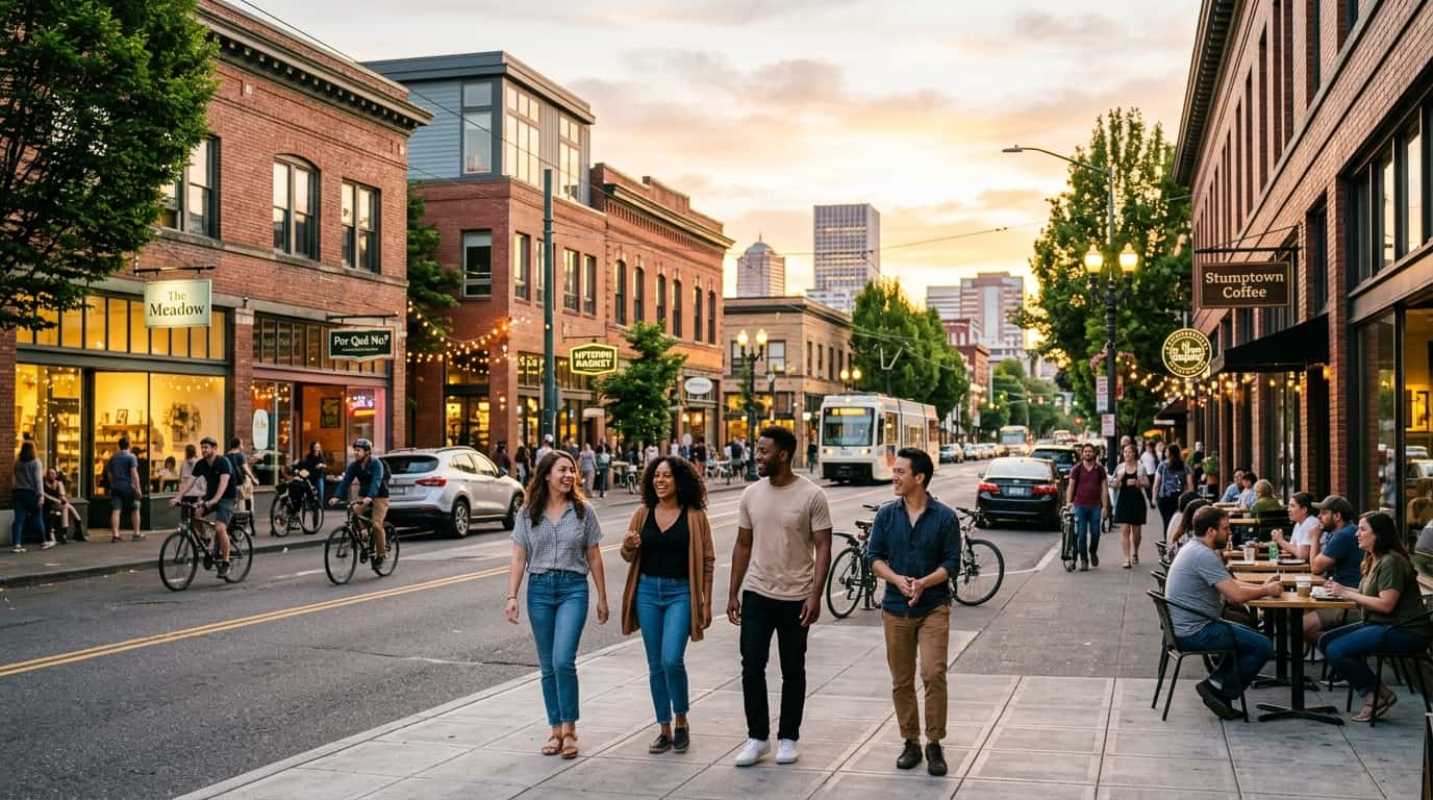
That is why smart travelers are looking elsewhere. A great destination does not need an eight-million-person population or a skyline plastered on postcards. It just needs great food, real neighborhoods, an active arts community, and an identity that does not feel staged for an algorithm. When you skip the usual suspects, you trade tourist traps for genuine hospitality and inflated prices for incredible value.
The Sweet Spot of Cost and Quality
Consider what happens when creative people are not crushed by astronomical rent. In major coastal cities, a chef often has to open a safe, predictable restaurant just to service the lease. In secondary markets, lower overhead gives chefs, bakers, and artists room to take real chances.
According to national dining and lodging benchmarks, visitors in mid-tier cities spend between 35% and 55% less on average daily hotel rates and restaurant bills compared to tier-one destinations. Think of it like unlocking a backdoor into luxury travel. Instead of paying $400 a night for a shoebox room, you can book a spacious historic suite for $140. Instead of settling for mediocre takeout to balance your daily budget, you can sit down for an exceptional multi-course dinner with drinks and walk out spending under $70 per person.
You also get something rare in travel: direct access. You can often strike up a conversation with the person who brewed your beer or the artist hanging work on the gallery wall.
Hidden Gems Where Local Favorites Outshine Tourist Traps
So where should you actually go? Several mid-sized cities have built scenes that outshine the traditional heavyweights, quietly collecting national honors while keeping daily costs low.¹
• Cleveland, Ohio: Forget old jokes about the Rust Belt. Cleveland pairs serious cultural institutions with an inventive food community. The Cleveland Museum of Art holds over 65,000 works and charges zero dollars for general admission to its permanent collection. Over on East 4th Street, Chef Vinnie Cimino of Cordelia picked up James Beard finalist honors for Best Chef: Great Lakes in both 2024 and 2026 for his inventive take on Midwestern comfort food.² If you want a quick lunch, walk through the historic West Side Market in Ohio City, where you can grab warm pierogies or gyros from family-run stalls for ten bucks.
• Richmond, Virginia: Richmond feels like a living workshop for independent creators. The city's GRTC Pulse bus rapid transit line is completely fare-free, and the Virginia Museum of Fine Arts opens its permanent collection every single day of the year without charging admission. Neighborhoods like Scott's Addition house dozens of cideries, breweries, and food halls in repurposed industrial warehouses. Meanwhile, Church Hill offers wood-fired heritage loaves at Sub Rosa Bakery, and the city streets show more than 150 public murals painted by international and local muralists.³
• Tucson, Arizona: Long in the shadow of Phoenix and Scottsdale, Tucson is the first city in the country to earn a UNESCO City of Gastronomy designation. The food culture here runs deep, blending century-old Sonoran traditions with modern create. Don Guerra of Barrio Bread uses ancient regional white wheat, while food trucks along the south side serve bacon-wrapped Sonoran hot dogs loaded with pinto beans and jalapeños for five dollars. The Sun Link streetcar is free to ride, linking historic adobe architecture with energetic arts corridors.
• Detroit, Michigan: As the only UNESCO City of Design in the country, Detroit turned affordable studio space into an explosion of creative energy. You can ride the free QLine down Woodward Avenue, admire Diego Rivera's massive fresco cycle at the Detroit Institute of Arts, and eat your way through Burundian specialties at Baobab Fare in New Center. Just down the road in Dearborn, family-run bakeries and shawarma counters serve some of the best Middle Eastern feasts in North America for under fifteen dollars.
• Kansas City, Missouri: Kansas City offers far more than historic barbecue joints. The free KC Streetcar connects downtown directly to the Crossroads Arts District, home to gallery walks and creative studios. The Nelson-Atkins Museum of Art offers free admission to its world-class collections, while spots like Yoli Tortilleria and Baba's Pantry produce award-winning Mexican masa and Palestinian flatbreads at everyday neighborhood prices.
Curating Your Own Path and Finding the Next Big Thing
How do you spot the next city on the verge of a boom? Start by ignoring sponsored top-ten lists on social media. Influencer itineraries tend to follow the same five photo backdrops, which is how destinations become crowded and overpriced in the first place.
Instead, look at regional award announcements and community news outlets. Scan the James Beard semifinalist rosters for mid-sized cities where multiple neighborhood restaurants show up across different categories. Check out student exhibitions at regional art colleges and read local independent newspapers. When a city has two or three independent food halls, a growing community ceramics studio, and a couple of third-wave coffee roasters opening in converted warehouse districts, something exciting is happening.
The sweet spot is visiting right when that local pride catches fire, long before national hotel chains buy up the block.
The Future of Intentional Travel
Choosing an unconventional destination changes how your travel dollars work. When you book a trip to a mega-tourist city, much of your spending flows straight into international hotel conglomerates and corporate restaurant groups. In places like Cleveland, Richmond, or Tucson, your money goes directly into the hands of local bakers, independent hoteliers, and neighborhood artists.
Have you considered what you want from your next trip? If you want to spend your days pushing through crowded selfie lines, sticking to the standard map will give you that. But if you want easy parking, warm conversations, five-dollar tacos, and world-class museums that cost nothing to enter, pick an unconventional spot on the map for your 2026 getaway.
The best trips rarely come from following the crowd. They come from giving an overlooked town the chance to surprise you.
Sources:
1. InsideHook Guide to Lesser-Known Food Cities
https://www.insidehook.com/food-travel/foodies-guide-lesser-known-cities
2. Cordelia Press Release
https://cordeliacle.com/press/vinnie-cimino-chef-at-clevelands-cordelia-named-a-james-beard-award-finalist
3. VCU Arts Richmond Scene
https://arts.vcu.edu/community-campus/richmond-arts-scene/